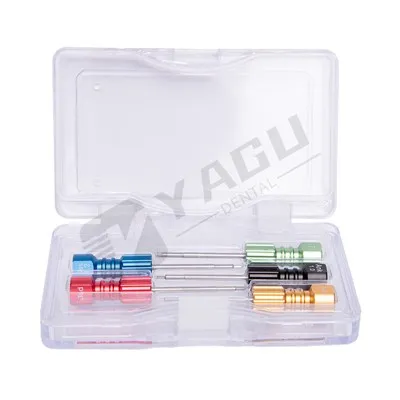
The durability of implant parts is a critical concern for both dental professionals and patients. As a supplier of implant parts, I have witnessed firsthand the impact that various factors can have on the longevity and performance of these essential components. In this blog post, I will delve into the key factors that affect the durability of implant parts, providing valuable insights for those involved in the dental industry.
Material Quality
One of the most significant factors influencing the durability of implant parts is the quality of the materials used in their manufacturing. High-quality materials are essential for ensuring the strength, biocompatibility, and corrosion resistance of implant parts. Titanium and its alloys are commonly used in dental implants due to their excellent mechanical properties and biocompatibility. These materials have a high strength-to-weight ratio, making them suitable for withstanding the forces exerted during chewing and biting.
In addition to titanium, other materials such as zirconia are also gaining popularity in the dental industry. Zirconia is a ceramic material that offers excellent aesthetics and biocompatibility. It is also highly resistant to corrosion and wear, making it a durable option for implant parts. However, it is important to note that the quality of zirconia can vary significantly depending on the manufacturing process and the purity of the raw materials used.
As a supplier, we are committed to using only the highest quality materials in the production of our implant parts. We work closely with our suppliers to ensure that the materials meet strict quality standards and undergo rigorous testing before being used in our products. By using high-quality materials, we can provide our customers with implant parts that are durable, reliable, and long-lasting.
Design and Manufacturing Process
The design and manufacturing process of implant parts also play a crucial role in their durability. A well-designed implant part should be able to distribute the forces exerted during chewing and biting evenly, reducing the risk of stress concentration and fatigue failure. The shape, size, and surface finish of the implant part can all affect its mechanical properties and performance.
In addition to the design, the manufacturing process used to produce the implant part is also important. Precision machining techniques, such as computer numerical control (CNC) machining, are commonly used to ensure the accuracy and consistency of the implant part. These techniques allow for the production of complex shapes and geometries with high precision, ensuring that the implant part fits perfectly into the patient's mouth and functions as intended.
At our company, we use state-of-the-art manufacturing equipment and techniques to produce our implant parts. Our experienced engineers and technicians work closely together to ensure that the design and manufacturing process are optimized for maximum durability and performance. We also conduct extensive testing and quality control checks throughout the manufacturing process to ensure that each implant part meets our strict quality standards.
Oral Hygiene and Maintenance
Proper oral hygiene and maintenance are essential for ensuring the durability of implant parts. Patients with dental implants need to take extra care of their oral health to prevent the development of complications such as peri-implantitis, which can lead to implant failure. Peri-implantitis is an inflammatory condition that affects the tissues surrounding the implant, causing bone loss and implant instability.
To prevent peri-implantitis, patients should brush their teeth at least twice a day using a soft-bristled toothbrush and fluoride toothpaste. They should also floss daily to remove plaque and food particles from between the teeth and around the implant. In addition, patients may need to use an antibacterial mouthwash to help reduce the risk of infection.
Regular dental check-ups and cleanings are also important for maintaining the health of dental implants. During these appointments, the dentist will examine the implant and the surrounding tissues to check for any signs of complications. They may also perform a professional cleaning to remove any plaque or tartar that has accumulated on the implant.
As a supplier, we provide our customers with detailed instructions on how to care for their implant parts. We also offer educational resources and support to help patients maintain good oral hygiene and prevent complications. By promoting proper oral hygiene and maintenance, we can help our customers ensure the long-term durability and success of their dental implants.
Patient Factors
In addition to the factors mentioned above, patient factors can also affect the durability of implant parts. The patient's overall health, lifestyle, and habits can all play a role in the success of dental implants. For example, patients with certain medical conditions, such as diabetes or osteoporosis, may be at a higher risk of implant failure. These conditions can affect the body's ability to heal and can increase the risk of infection and inflammation.
Lifestyle factors, such as smoking and excessive alcohol consumption, can also have a negative impact on the durability of implant parts. Smoking has been shown to reduce blood flow to the tissues surrounding the implant, impairing the body's ability to heal and increasing the risk of infection. Excessive alcohol consumption can also weaken the immune system and increase the risk of inflammation and infection.
Patient habits, such as clenching or grinding their teeth, can also put additional stress on the implant parts, increasing the risk of fatigue failure. Patients who clench or grind their teeth may need to wear a nightguard to protect their implant parts from damage.
As a supplier, we work closely with dental professionals to ensure that patients are properly evaluated before receiving dental implants. We provide our customers with information on the potential risks and complications associated with dental implants and help them make informed decisions about their treatment options. By taking into account the patient's overall health, lifestyle, and habits, we can help ensure the long-term durability and success of their dental implants.
Conclusion
The durability of implant parts is influenced by a variety of factors, including material quality, design and manufacturing process, oral hygiene and maintenance, and patient factors. As a supplier of implant parts, we are committed to providing our customers with high-quality products that are durable, reliable, and long-lasting. By using the highest quality materials, optimizing the design and manufacturing process, promoting proper oral hygiene and maintenance, and taking into account the patient's overall health, lifestyle, and habits, we can help ensure the success of dental implants.
If you are interested in learning more about our implant parts or would like to discuss your specific needs, please do not hesitate to contact us. We would be happy to provide you with more information and assist you in finding the right implant parts for your patients.
References
- Albrektsson, T., & Wennerberg, A. (2004). Oral implant surfaces: Part 1 - Review focusing on topographic and chemical properties of different surfaces and in vivo responses to them. International Journal of Prosthodontics, 17(5), 536-543.
- Buser, D., Martin, W., & Belser, U. C. (2004). Optimizing esthetics for implant restorations with short dental arches: Anatomic and surgical considerations. The International Journal of Oral & Maxillofacial Implants, 19(Suppl), 43-61.
- Misch, C. E. (2008). Contemporary implant dentistry. St. Louis, MO: Mosby.
- Salama, H., Salama, M. A., & Garber, D. A. (2005). The esthetic implant patient: Diagnosis, treatment planning, and gingival augmentation. Compendium of Continuing Education in Dentistry, 26(10), 832-840, 842-834 passim.
For more information on our implant parts, you can visit the following links:
Osstem Temporary Abutment
Premill Abutment
Castable Abutments


Contact us today to discuss your implant part procurement needs and start a fruitful business relationship.