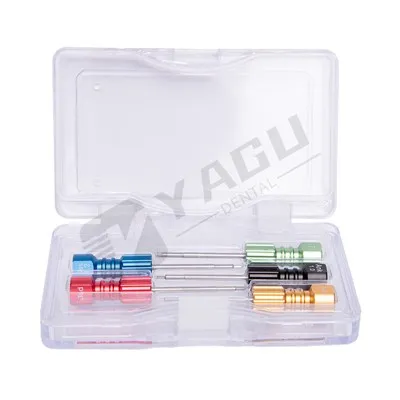
In the field of dental implantology, temporary abutments play a crucial role in the overall success of the implant treatment. As a supplier of temporary abutments, I often encounter questions from dental professionals regarding the precision of these essential components. In this blog post, I will delve into the concept of precision in temporary abutments, its significance, and how it impacts the dental implant process.
Understanding Precision in Temporary Abutments
Precision in the context of temporary abutments refers to the accuracy and consistency of their dimensions, fit, and alignment with dental implants. A high - precision temporary abutment is one that is manufactured to exact specifications, ensuring a seamless connection with the implant and the restoration. This precision is vital at every stage of the implant process, from the initial healing phase to the final prosthetic placement.
The manufacturing process of temporary abutments is a key factor in determining their precision. Advanced manufacturing techniques, such as computer - aided design and manufacturing (CAD/CAM), have revolutionized the production of dental components. These technologies allow for the creation of temporary abutments with extremely tight tolerances, often within a few micrometers. For example, a well - made temporary abutment using CAD/CAM technology will have a precise internal diameter that matches the external diameter of the implant, ensuring a secure and stable fit.
Significance of Precision in the Healing Phase
During the healing phase after implant placement, a precise temporary abutment is essential for several reasons. Firstly, it helps to maintain the correct soft tissue contour around the implant. When the temporary abutment fits accurately, it provides a stable platform for the surrounding gum tissue to heal and form a natural - looking emergence profile. This is important not only for the aesthetic outcome but also for the long - term health of the implant and the surrounding tissues.
Secondly, a precise fit reduces the risk of micro - movements between the temporary abutment and the implant. Micro - movements can cause irritation to the surrounding tissues, leading to inflammation and potential implant failure. A well - fitting temporary abutment acts as a buffer, preventing these harmful movements and promoting proper osseointegration, the process by which the implant fuses with the surrounding bone.
Impact on Prosthetic Placement
When it comes to the final prosthetic placement, the precision of the temporary abutment is equally important. A precise temporary abutment serves as a guide for the fabrication of the definitive restoration. It ensures that the prosthetic crown or bridge will fit accurately over the implant, both functionally and aesthetically.
For instance, if the temporary abutment has an inaccurate height or angulation, the final restoration may not align properly with the adjacent teeth. This can lead to problems such as improper occlusion, which can cause excessive wear on the teeth and discomfort for the patient. On the other hand, a high - precision temporary abutment allows for the creation of a restoration that fits perfectly, providing optimal chewing function and a natural appearance.
Our Product Range and Precision
As a supplier of temporary abutments, we understand the importance of precision in these components. We offer a wide range of temporary abutments, including Osstem Temporary Abutment, Dentium Multi Unit Analog, and Straumann Ti Base.
Each of our products is manufactured using state - of - the - art technology to ensure the highest level of precision. Our team of experts closely monitors the manufacturing process, from the initial design to the final quality control checks. We use advanced measuring equipment to verify the dimensions of each temporary abutment, ensuring that they meet or exceed industry standards.
Quality Control Measures
To guarantee the precision of our temporary abutments, we have implemented a rigorous quality control system. Every batch of temporary abutments undergoes a series of tests, including dimensional checks, surface finish analysis, and fit testing. We compare the actual dimensions of the temporary abutments with the design specifications to ensure that any deviations are within an acceptable range.
In addition, we perform fit testing using implant models to simulate the real - world conditions. This allows us to identify any potential issues with the fit and alignment of the temporary abutments before they are shipped to our customers. By maintaining such strict quality control measures, we can provide our customers with temporary abutments that offer reliable and consistent precision.
Customer Satisfaction and Precision
Our commitment to precision has led to high levels of customer satisfaction. Dental professionals who use our temporary abutments appreciate the ease of use and the excellent fit they provide. They have reported fewer complications during the implant process, such as soft tissue irritation and prosthetic misfit. This not only saves time and resources but also improves the overall patient experience.
Conclusion
In conclusion, the precision of a temporary abutment is of utmost importance in the dental implant process. It affects every stage, from the healing phase to the final prosthetic placement. A high - precision temporary abutment ensures proper soft tissue contouring, reduces the risk of implant failure, and allows for the creation of a well - fitting definitive restoration.
As a supplier, we are dedicated to providing dental professionals with temporary abutments that offer the highest level of precision. Our range of products, including Osstem Temporary Abutment, Dentium Multi Unit Analog, and Straumann Ti Base, is manufactured using advanced technology and strict quality control measures.
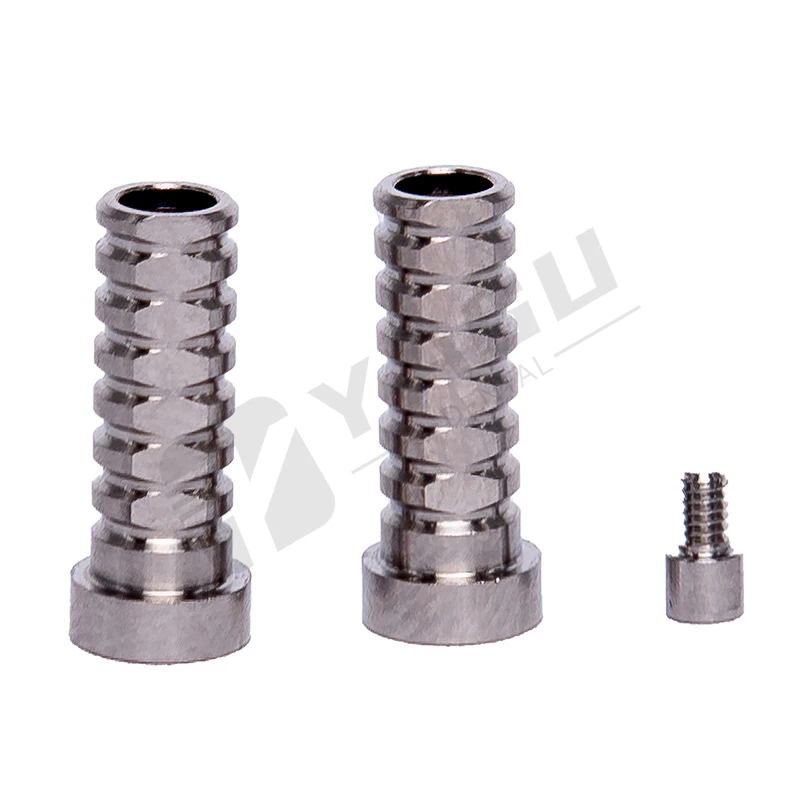

If you are a dental professional looking for high - precision temporary abutments, we invite you to contact us for more information and to discuss your specific needs. We are ready to work with you to ensure the success of your implant cases.
References
- Misch, C. E. (2018). Dental Implant Prosthetics. Elsevier.
- Carlsson, G. E., & Lang, N. P. (2012). Clinical Periodontology and Implant Dentistry. Wiley - Blackwell.
- Abrahamsson, I., Berglundh, T., & Lindhe, J. (2006). The mucosal attachment at different abutments. An experimental study in the dog. Journal of Clinical Periodontology, 33(10), 742 - 747.