What is the strength of a straight abutment?

As a supplier of straight abutments, I've witnessed firsthand the crucial role these dental components play in the field of implant dentistry. In this blog, I'll delve into the strength of straight abutments, exploring their unique features, advantages, and how they compare to other types of abutments.
Understanding Straight Abutments
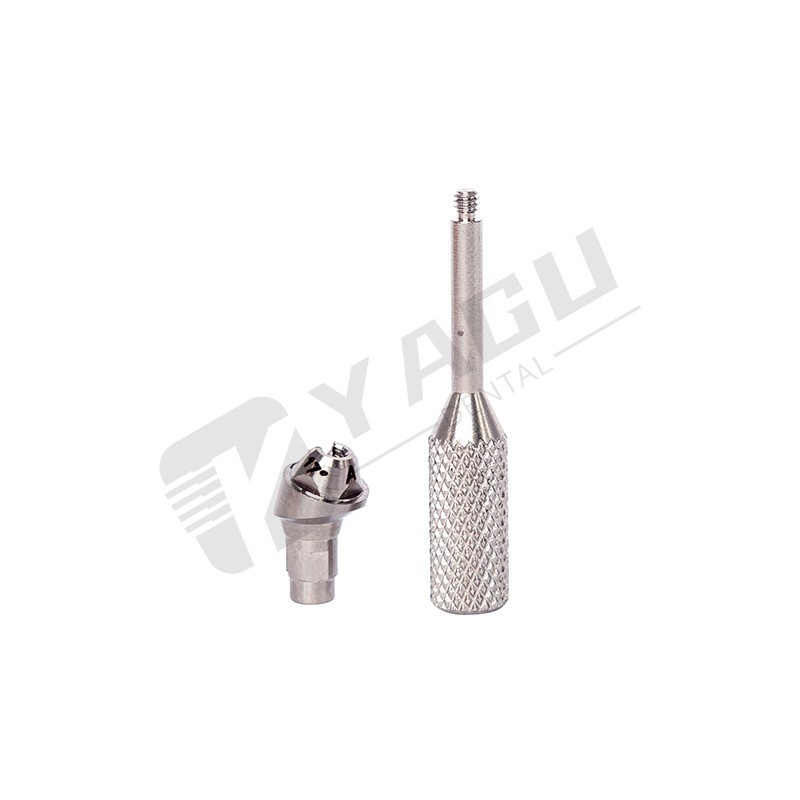
Straight abutments are dental prosthetics that connect dental implants to the artificial teeth. They are designed to be straight, providing a direct and stable connection between the implant and the crown. This simplicity in design is one of the key factors contributing to their strength.
One of the primary functions of a straight abutment is to transfer the occlusal forces from the crown to the implant and the underlying bone. When a patient bites or chews, the forces exerted on the crown need to be distributed evenly to prevent damage to the implant and the surrounding tissues. Straight abutments are engineered to handle these forces efficiently, ensuring the long - term stability of the dental restoration.
Material Strength
The materials used in the manufacturing of straight abutments are carefully selected for their strength and biocompatibility. Titanium is one of the most commonly used materials for straight abutments. Titanium has excellent mechanical properties, including high strength - to - weight ratio and good corrosion resistance. It can withstand the forces of mastication without deforming or breaking.
Zirconia is another material that is gaining popularity in the production of straight abutments. Zirconia is known for its high flexural strength and esthetic appeal. It is a ceramic material that can mimic the natural color of teeth, making it an ideal choice for patients who are concerned about the appearance of their dental restorations. The strength of zirconia allows it to endure the daily stresses placed on the abutment, providing a reliable and long - lasting solution.
Design - related Strength
The straight design of the abutment offers several advantages in terms of strength. Unlike angled abutments, which may be subject to uneven stress distribution due to their angled shape, straight abutments provide a more direct path for the transmission of forces. This reduces the risk of stress concentration at specific points, which can lead to fatigue failure over time.
The connection between the straight abutment and the implant is also a critical factor in determining its strength. A well - designed connection ensures a secure fit, preventing micro - movements between the abutment and the implant. Micro - movements can cause wear and tear on the components, leading to loosening of the abutment or even implant failure. Most straight abutments use a screw - retained or cement - retained connection, both of which are designed to provide a stable and reliable attachment.
Comparison with Other Abutment Types
When compared to angled abutments, straight abutments generally offer greater strength. Angled abutments are often used in cases where the implant is not placed in an ideal position, and they need to compensate for the angulation. However, the angled design can introduce additional stress on the abutment and the implant, especially during lateral or oblique forces. Straight abutments, on the other hand, are better suited for situations where the implant is placed in a straight and optimal position, providing a more straightforward and stronger connection.
Hiossen multi - unit abutments are designed to connect multiple implants together. While they offer flexibility in cases where multiple teeth need to be restored, the complexity of the multi - unit design may result in a slightly lower overall strength compared to single straight abutments. Straight abutments are simpler in design and can provide a more focused and robust connection for a single implant.
Clinical Applications and Strength in Practice
In clinical practice, the strength of straight abutments is crucial for the success of dental implant restorations. For patients with normal bite forces and implants placed in favorable positions, straight abutments are often the preferred choice. They can support a wide range of crown materials, including porcelain, metal - ceramic, and full - ceramic crowns.
In cases where patients have a high occlusal load, such as bruxers or those with a heavy chewing habit, the strength of the straight abutment becomes even more important. The ability of the abutment to withstand the increased forces without failure is essential for the long - term durability of the restoration.
Long - term Durability
The strength of straight abutments contributes significantly to their long - term durability. A well - made straight abutment can last for many years, even decades, with proper care and maintenance. This durability is not only beneficial for the patient but also for the dental professional. It reduces the need for frequent repairs or replacements, saving time and resources.
Regular dental check - ups are important to monitor the condition of the straight abutment and the overall dental restoration. During these check - ups, the dentist can assess the stability of the abutment, check for any signs of wear or damage, and make any necessary adjustments.
Conclusion
In conclusion, the strength of a straight abutment lies in its material properties, design, and ability to transfer forces efficiently. The use of high - quality materials such as titanium and zirconia, combined with a simple and direct design, makes straight abutments a reliable choice for dental implant restorations. Their strength allows them to withstand the forces of daily use, providing long - term stability and durability.
If you're in the market for straight abutments or have any questions about their strength and suitability for your dental practice, I encourage you to reach out to me. I'm here to provide you with the best products and support to ensure the success of your dental implant procedures. Let's start a conversation and explore how our straight abutments can meet your specific needs.
References
- Misch, C. E. (2018). Contemporary Implant Dentistry. Quintessence Publishing Co.
- Tarnow, D. P., & Elian, N. (2019). Dental Implant Prosthetics. Elsevier.