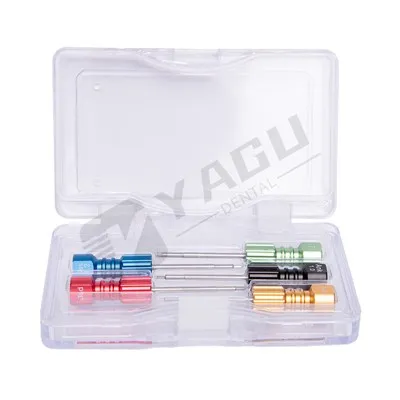
As a supplier of Bone Chip Makers, I've often been asked about the potential uses of this device beyond its primary dental applications. One question that has piqued my interest is whether a Bone Chip Maker can be used for making bone - enriched soil additives. In this blog, I'll explore this idea from a scientific perspective, weighing the pros and cons and providing insights based on available knowledge.
Understanding the Bone Chip Maker
First, let's briefly understand what a Bone Chip Maker is. A Bone Chip Maker is a specialized tool commonly used in dental implant procedures. It is designed to harvest bone chips from the patient's own jawbone during the implant surgery. These bone chips are then used to promote bone growth around the dental implant, enhancing its stability and integration with the surrounding bone tissue. The device works by precisely cutting and collecting small bone fragments, ensuring that they are of the right size and quality for dental use.
The Concept of Bone - Enriched Soil Additives
Bone - enriched soil additives are substances that contain bone materials and are added to soil to improve its fertility and structure. Bones are rich in essential nutrients such as calcium, phosphorus, and trace minerals. When bones are incorporated into the soil, these nutrients are gradually released, providing a long - term source of nourishment for plants. Additionally, the porous structure of bone fragments can improve soil aeration and water retention, creating a more favorable environment for plant roots.
Feasibility of Using a Bone Chip Maker for Soil Additives
Advantages
- Precision and Quality: The Bone Chip Maker is engineered to produce bone chips of consistent size and quality. This precision can be beneficial when making soil additives, as uniformly sized bone chips are more likely to distribute evenly in the soil and release nutrients at a predictable rate.
- Sterility: Dental Bone Chip Makers are designed to operate in a sterile environment. The bone chips produced are free from contaminants, which is an advantage when using them as soil additives. Contaminant - free bone chips reduce the risk of introducing pathogens or harmful substances into the soil.
- Source of Bone Material: If the Bone Chip Maker is used in a dental clinic, there is a readily available source of bone material. While it may seem unorthodox, the bone chips that are surplus to dental needs could potentially be repurposed for soil additive production.
Challenges
- Quantity: In a dental setting, the amount of bone chips produced by a Bone Chip Maker during a single implant procedure is relatively small. To make a significant amount of bone - enriched soil additive, a large number of dental procedures would need to be performed, which may not be practical or ethical.
- Regulatory and Ethical Considerations: Using human bone for non - medical purposes, such as soil additives, is subject to strict regulations and ethical concerns. In many regions, there are laws governing the disposal and use of human biological materials. It is essential to ensure that any attempt to use bone chips from dental procedures for soil additives complies with all relevant laws and ethical guidelines.
- Processing Requirements: For bone chips to be effective as soil additives, they may need to undergo additional processing. This could include grinding the chips into a finer powder or treating them to accelerate the decomposition process. The Bone Chip Maker itself may not be sufficient to perform these additional steps.
Scientific Evidence and Research
There is limited scientific research specifically on using bone chips from a dental Bone Chip Maker for soil additives. However, studies on the use of bone meal (a common bone - based soil additive) have shown positive results. Bone meal has been found to increase soil fertility, improve plant growth, and enhance the overall health of agricultural crops. For example, research has demonstrated that the addition of bone meal to soil can significantly increase the phosphorus content, which is crucial for root development and flowering in plants.


Alternative Bone Sources
If the use of human bone chips from dental procedures is not feasible due to regulatory or ethical reasons, there are alternative bone sources that can be used with a Bone Chip Maker. Animal bones, such as those from cattle, pigs, or chickens, are widely available and can be legally used for soil additive production. These bones can be processed using the Bone Chip Maker to create bone chips with similar properties to those produced in a dental setting.
Conclusion and Call to Action
In conclusion, while the idea of using a Bone Chip Maker for making bone - enriched soil additives is an interesting concept, there are significant challenges that need to be addressed. The precision and quality of the bone chips produced by the device are advantageous, but regulatory, ethical, and quantity issues must be carefully considered.
If you are interested in exploring the potential of using a Bone Chip Maker for various applications, including the production of soil additives (using legal and ethical bone sources), I invite you to contact me for more information. We can discuss how our Bone Chip Maker can meet your specific needs and how we can work together to develop innovative solutions.
Whether you are in the dental industry looking for additional uses of the device or in the agricultural sector seeking new soil - enriching products, I am eager to engage in a productive conversation. Let's explore the possibilities and find the best way forward for your business.
References
- Brady, N. C., & Weil, R. R. (2008). The Nature and Properties of Soils. Pearson Prentice Hall.
- Havlin, J. L., Beaton, J. D., Tisdale, S. L., & Nelson, W. L. (2005). Soil Fertility and Fertilizers: An Introduction to Nutrient Management. Pearson Prentice Hall.
- Marschner, P. (2012). Mineral Nutrition of Higher Plants. Academic Press.