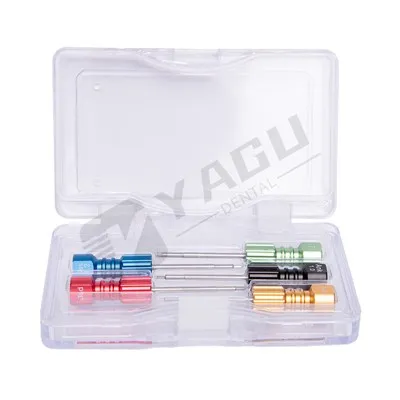
Selecting the appropriate Osstem Temporary Abutment is a crucial decision in the field of dental implantology. As a reliable supplier of Osstem Temporary Abutments, I understand the significance of this choice for dental professionals and patients alike. In this blog, I will share insights on how to make the right selection, ensuring optimal outcomes in dental implant procedures.


Understanding the Role of Osstem Temporary Abutments
Osstem Temporary Abutments play a vital role in the dental implant process. They are used during the healing phase after the implant is placed in the jawbone. These abutments serve as a connection between the implant and the temporary restoration, such as a crown or bridge. They help in maintaining the space for the final restoration, guiding the soft tissue to heal properly, and providing a stable foundation for the temporary prosthesis.
Factors to Consider When Choosing an Osstem Temporary Abutment
1. Implant Type and Compatibility
The first step in choosing the right Osstem Temporary Abutment is to ensure compatibility with the implant system. Osstem offers a variety of implant designs, and each requires a specific abutment that matches its size, shape, and connection type. It is essential to select an abutment that fits precisely with the implant to ensure a secure and stable connection. This compatibility is crucial for the long - term success of the implant and the overall dental restoration.
2. Abutment Height and Diameter
The height and diameter of the Osstem Temporary Abutment are critical factors. The height should be appropriate to reach the level of the gingival margin, allowing for proper soft - tissue management. If the abutment is too short, it may not provide enough support for the temporary restoration, and the soft tissue may not heal correctly. On the other hand, an overly long abutment can cause irritation to the surrounding tissues. The diameter of the abutment should also match the size of the implant and the planned restoration to ensure a proper fit and esthetic outcome.
3. Material Quality
The material of the Osstem Temporary Abutment is another important consideration. High - quality materials ensure durability, biocompatibility, and resistance to corrosion. Titanium is a commonly used material for abutments due to its excellent biocompatibility and strength. It is well - tolerated by the body and can withstand the forces of chewing and biting. Some abutments may also be made of zirconia, which offers esthetic advantages, especially in cases where the abutment will be visible in the mouth.
4. Esthetic Requirements
In many cases, esthetics play a significant role in the choice of an Osstem Temporary Abutment. For anterior teeth, where the appearance is of utmost importance, an abutment that closely matches the color and shape of the natural teeth is preferred. Zirconia abutments are often a good choice for esthetic cases as they can be customized to achieve a natural - looking appearance. The contour of the abutment should also be designed to blend in with the surrounding soft tissue, creating a seamless transition between the implant and the restoration.
5. Clinical Situation
The specific clinical situation of the patient also influences the choice of the Osstem Temporary Abutment. For example, in cases where there is significant bone loss or a complex anatomical structure, a custom - made abutment may be required. Custom abutments can be designed to fit the unique needs of the patient, ensuring optimal function and esthetics. Additionally, if the patient has a history of allergic reactions, the material of the abutment should be carefully selected to avoid any potential adverse reactions.
Comparing with Other Brands
When considering Osstem Temporary Abutments, it is also useful to compare them with other brands in the market. For instance, the Straumann Temporary Abutment is a well - known alternative. Straumann offers a wide range of abutments with different designs and features. However, Osstem abutments are often praised for their excellent compatibility with Osstem implants and their cost - effectiveness.
Another brand to consider is Dentium. The Dentium Abutment Screw and Dentium Multi Unit Analog are part of their product line. Dentium products are known for their high - quality manufacturing and innovative designs. While Dentium has its own advantages, Osstem Temporary Abutments stand out for their extensive research and development, which ensures that they meet the highest standards of performance and reliability.
The Importance of Professional Advice
While the above factors provide a general guideline for choosing the right Osstem Temporary Abutment, it is always advisable to seek professional advice. Dental implant specialists have the knowledge and experience to evaluate the patient's specific situation and recommend the most suitable abutment. They can take into account factors such as the patient's oral health, bite force, and lifestyle when making a recommendation.
Our Expertise as a Supplier
As a supplier of Osstem Temporary Abutments, we are committed to providing high - quality products and excellent customer service. We have a team of experts who can assist dental professionals in choosing the right abutment for their patients. We offer a wide range of Osstem Temporary Abutments to meet different clinical needs and esthetic requirements. Our products are sourced directly from reliable manufacturers, ensuring that they meet all the necessary quality standards.
Contact Us for Procurement
If you are a dental professional looking to procure Osstem Temporary Abutments, we invite you to contact us for further discussion. We understand the importance of timely and reliable supply in the dental industry. Our dedicated team is ready to answer your questions, provide detailed product information, and assist you in making the right choice for your patients. Whether you need a small quantity for a single case or a large order for your practice, we can accommodate your needs.
References
- Misch, C. E. (2018). Dental Implant Prosthetics. Elsevier Health Sciences.
- Tarnow, D. P., & Cho, S. - H. (2019). The Biology and Practice of Implant Dentistry. Wiley Blackwell.
- Buser, D., Martin, W., & Belser, U. C. (2004). Optimizing esthetics for implant restorations in the anterior maxilla: Anatomic and surgical considerations. The International Journal of Oral & Maxillofacial Implants, 19(Suppl), 43 - 61.