Post-operative care after installing a straight abutment in dental implants is a crucial phase that significantly influences the success and longevity of the implant. As a reliable straight abutment supplier, we understand the importance of providing comprehensive information on this topic to dental professionals and patients alike.
Immediate Post-operative Care
After the installation of a straight abutment, the patient is typically under the direct supervision of the dental team for a short period. The first step involves controlling any bleeding that may occur at the surgical site. The dentist will usually place a gauze pad over the area and ask the patient to bite down gently for about 30 minutes to an hour. This pressure helps in clot formation and stops the bleeding.
Pain management is another vital aspect of immediate post-operative care. The dentist may prescribe painkillers based on the patient's pain tolerance and the complexity of the procedure. Over-the-counter pain relievers such as ibuprofen or acetaminophen can also be used in mild cases. It's important for the patient to follow the prescribed dosage and frequency to avoid any adverse effects.
Swelling is a common post-operative symptom. Applying an ice pack to the outside of the face near the surgical area can help reduce swelling. The ice should be applied for 15 - 20 minutes at a time, with breaks in between, for the first 24 - 48 hours after the procedure.
Oral Hygiene
Maintaining good oral hygiene is essential for preventing infections and ensuring proper healing. However, in the immediate post-operative period, the patient needs to be cautious. For the first 24 hours, the patient should avoid rinsing the mouth vigorously or spitting forcefully, as this can dislodge the blood clot and lead to a condition called dry socket.
After the first 24 hours, the patient can start gently rinsing their mouth with a warm saltwater solution. This helps in keeping the surgical area clean and promoting healing. The saltwater solution can be made by dissolving half a teaspoon of salt in eight ounces of warm water. The patient should rinse their mouth several times a day, especially after meals.
Brushing the teeth should also be done with care. The patient should avoid brushing the surgical site directly for the first few days. Instead, they can focus on the other teeth and use a soft-bristled toothbrush to clean gently. As the healing progresses, the patient can gradually start brushing the area around the abutment, but still with extreme caution.
Diet
The patient's diet plays a significant role in the post-operative recovery process. In the first few days after the procedure, the patient should stick to a soft food diet. Foods such as yogurt, mashed potatoes, soups, and smoothies are ideal as they are easy to chew and swallow. Avoiding hard, crunchy, or sticky foods is crucial, as these can damage the surgical site or dislodge the abutment.
As the healing progresses, the patient can gradually introduce more solid foods into their diet. However, they should still be careful and avoid chewing on the side of the mouth where the implant is located until the dentist gives the green light.
Activity Restrictions
During the initial post-operative period, the patient should avoid strenuous physical activities. Activities such as heavy lifting, intense exercise, and bending over for long periods can increase blood pressure and cause bleeding at the surgical site. It's recommended that the patient takes it easy for at least the first few days and gradually resumes normal activities as they start feeling better.
Follow-up Appointments
Regular follow-up appointments with the dentist are crucial for monitoring the healing process. The dentist will examine the surgical site to check for any signs of infection, inflammation, or improper healing. They may also take X - rays to ensure that the implant and abutment are in the correct position and that the bone is integrating properly.
During these appointments, the dentist can provide additional advice on post-operative care based on the patient's individual progress. They may also adjust the patient's pain management or oral hygiene routine if necessary.
Long - term Care
Once the initial healing phase is over, the patient needs to continue with proper long - term care. This includes maintaining good oral hygiene habits, such as brushing twice a day and flossing daily. Using an antibacterial mouthwash can also help in preventing infections.
Regular dental check - ups are still necessary to monitor the health of the implant and abutment. The dentist may recommend professional cleanings every six months to keep the area around the implant free from plaque and tartar.
Importance of Quality Abutments
At our company, we supply high - quality Straight Abutment that are designed to ensure a successful dental implant procedure and long - term stability. Our abutments are made from biocompatible materials that are well - tolerated by the body, reducing the risk of adverse reactions and promoting better healing.
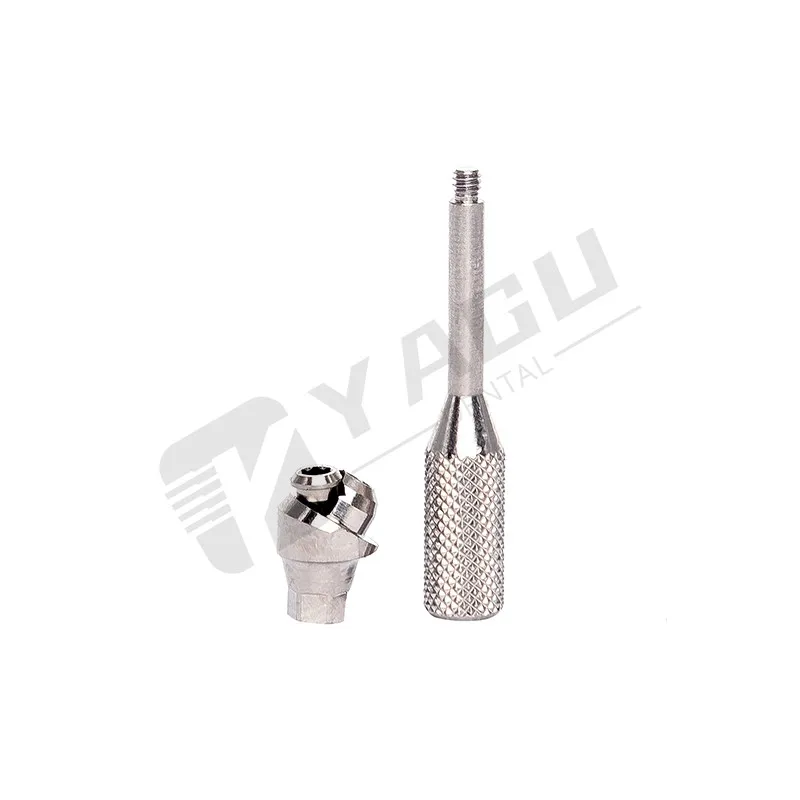

We also offer a variety of abutment options, including Straumann Multi Unit Abutment and Angled Multi Unit Abutments, to meet the diverse needs of dental professionals and patients. These abutments are precision - engineered to fit perfectly with different implant systems, ensuring a secure and stable connection.
Conclusion
Proper post - operative care after installing a straight abutment in dental implants is essential for the success of the procedure. By following the guidelines for immediate care, oral hygiene, diet, activity restrictions, and long - term maintenance, patients can ensure a smooth recovery and a long - lasting implant.
As a leading straight abutment supplier, we are committed to providing high - quality products and comprehensive support to dental professionals. If you are interested in learning more about our products or have any questions regarding post - operative care, we encourage you to contact us for further discussions and potential procurement opportunities.
References
- Buser, D., Martin, W., & Belser, U. C. (2004). Optimizing esthetics for implant restorations in the anterior maxilla: Anatomic and surgical considerations. The International Journal of Oral & Maxillofacial Implants, 19(Suppl), 43 - 61.
- Misch, C. E. (2018). Contemporary implant dentistry. Elsevier Health Sciences.
- Tarnow, D. P., Magner, A. W., & Fletcher, P. (1992). The effect of the distance from the contact point to the crest of bone on the presence or absence of the interproximal dental papilla. Journal of Periodontology, 63(12), 995 - 996.