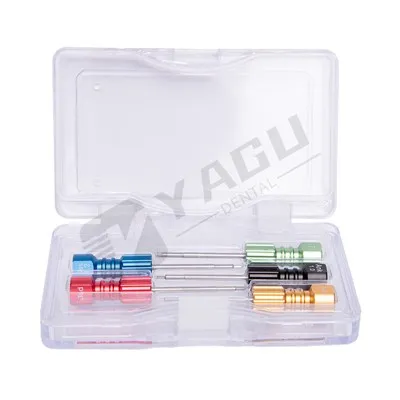
As a supplier of Multi Unit Abutments, I've witnessed firsthand the significant role these components play in dental implant procedures. However, like any medical device, Multi Unit Abutments can sometimes lead to complications. In this blog, I'll share some insights on how to treat these complications effectively.
Understanding Multi Unit Abutments
Multi Unit Abutments are essential parts of dental implant systems. They provide a connection between the dental implant fixture in the jawbone and the prosthetic restoration, such as a crown or a bridge. They come in various types, including Angled Abutment Dental Implant, Nobel Multi Unit Abutment, and Straumann Multi Unit Abutment, each designed to meet different clinical needs.


Common Complications
- Peri - Implantitis
Peri - implantitis is one of the most common complications associated with Multi Unit Abutments. It is an inflammatory condition that affects the tissues surrounding the dental implant. Bacterial biofilms on the abutment surface can trigger an immune response, leading to the destruction of the supporting bone around the implant. Symptoms may include bleeding, swelling, and pain around the implant site. - Mechanical Complications
Mechanical issues can also arise. Loosening of the abutment screw is a frequent problem. Over time, the constant forces exerted during chewing can cause the screw to become loose, which may result in instability of the prosthetic restoration. Fracture of the abutment itself is another mechanical complication, although it is less common. This can occur due to excessive occlusal forces or manufacturing defects. - Soft Tissue Problems
The soft tissues around the Multi Unit Abutment can also be affected. Inadequate soft tissue attachment can lead to gingival recession, exposing the implant and abutment. This not only affects the aesthetic appearance but also increases the risk of bacterial invasion and peri - implantitis.
Treatment Approaches
For Peri - Implantitis
- Non - Surgical Treatment
The first step in treating peri - implantitis often involves non - surgical methods. Professional oral hygiene procedures, such as scaling and root planing around the implant, are crucial. Antimicrobial mouthwashes can also be prescribed to reduce the bacterial load. In some cases, local delivery of antibiotics directly into the peri - implant pocket may be effective. For example, using antibiotic - loaded gels or chips can target the bacteria in the affected area. - Surgical Treatment
If non - surgical treatment fails, surgical intervention may be necessary. Flap surgery can be performed to access the implant surface and remove the infected tissue and biofilm. Bone grafting may also be required to regenerate the lost bone. During the surgery, the Multi Unit Abutment may need to be removed temporarily to thoroughly clean the implant - abutment interface. After the surgical procedure, a period of healing is required before the abutment and prosthetic restoration can be re - placed.
For Mechanical Complications
- Tightening or Replacement of Screws
When dealing with a loose abutment screw, the first approach is to tighten it. However, if the screw has been repeatedly loosened or is damaged, it should be replaced. It is important to use the correct torque when tightening the screw to ensure proper stability. A torque wrench is typically used to apply the appropriate amount of force, as over - tightening or under - tightening can both lead to problems. - Abutment Replacement
In the case of an abutment fracture, the damaged abutment must be replaced. The new abutment should be carefully selected to match the implant system and the patient's specific needs. Before replacing the abutment, the implant site needs to be evaluated to ensure that there are no underlying issues, such as bone loss or infection.
For Soft Tissue Problems
- Soft Tissue Grafting
To address gingival recession and improve soft tissue attachment, soft tissue grafting can be performed. This involves taking tissue from another part of the mouth, such as the palate, and transplanting it to the area around the implant. The graft helps to increase the thickness of the soft tissues and provides better protection for the implant and abutment. - Proper Abutment Design
Selecting an appropriate Multi Unit Abutment with a design that promotes soft tissue integration is also important. Some abutments are designed with micro - textured surfaces or specific geometries that encourage the attachment of gingival tissues.
Preventive Measures
Preventing complications is always better than treating them. As a Multi Unit Abutment supplier, I recommend the following preventive measures:
- Proper Patient Selection and Treatment Planning
Before placing a Multi Unit Abutment, a thorough evaluation of the patient's oral health, bone quality, and occlusal forces is essential. Treatment plans should be individualized to ensure the long - term success of the implant. - High - Quality Abutments
Using high - quality Multi Unit Abutments is crucial. Our company is committed to providing abutments that meet the highest standards of quality and precision. We source materials from reliable suppliers and conduct strict quality control checks during the manufacturing process. - Patient Education
Patients should be educated about proper oral hygiene practices after implant placement. This includes regular brushing, flossing, and using antimicrobial mouthwashes. They should also be informed about the importance of regular follow - up appointments with their dentist.
Conclusion
Complications associated with Multi Unit Abutments can be challenging, but with the right treatment approaches and preventive measures, most issues can be effectively managed. As a supplier, I am dedicated to providing high - quality products and supporting dental professionals in their efforts to achieve successful dental implant outcomes. If you are a dental professional interested in learning more about our Multi Unit Abutments or have any questions regarding the treatment of complications, please feel free to contact us for further discussion and potential procurement opportunities.
References
- Albrektsson T, Berglundh T. The long - term efficacy of currently used dental implants: a review and proposed criteria of success. Int J Oral Maxillofac Implants. 1989;4(1):1 - 25.
- Heitz - Mayfield LJ. Peri - implant diseases: diagnosis and treatment. Periodontology 2000. 2008;47(1):138 - 178.
- Buser D, Mericske - Stern R, Bernard JP, et al. Optimizing esthetics for implant restorations with short clinical crowns: anatomic and surgical considerations. Int J Oral Maxillofac Implants. 2004;19 Suppl:59 - 67.