


Product Description
The Straight Multi Unit features a conical connection for easy assembly, allowing you to securely lock the fixtures together. Made from Titanium Grade 5, this kit offers strength and durability. It includes various heights of prosthetics, ranging from 1mm to 5mm, making it suitable for different client needs. The multi-unit abutments are designed with a short cone. Therefore, they can also be used when there is less space. The All-on-4® principle inspired us during the construction.
Features
- 3 angulation versions: 0°, 17° & 30°
- Safer and more stable prosthesis
- Improved stability on connection
- Standardised prosthetic platform
- Adaptability to patient's needs: Different gingival heights
Purpose
► The Multi-Unit Abutment is used when multiple dental implants are placed in the jaw to support a full arch prosthesis, such as a bridge or a denture.
► It allows for better angulation and positioning of the abutment, especially in cases where the implants are not perfectly parallel to each other (which is often the case in the upper jaw or when implants are placed in challenging anatomical locations).
► The system can be used in both the upper and lower arches for full-arch restorations like All-on-4® or All-on-6® techniques.
Design and Features
Angled Abutment
One of the key features of the Nobel Multi-Unit Abutment is that it comes with pre-angulated abutments. This helps in compensating for the misalignment or non-parallelism of the implants in cases where the angle between the implants isn't perfect.
Variety of Angles
The Multi-Unit Abutments are available in different angulations, typically ranging from 0° to 30°, to accommodate the varying needs of the implant position in the jaw.
Platform Switch
It often uses a platform switching technique, where the abutment has a smaller diameter than the implant fixture, helping to maintain the health of the surrounding gum tissue and reducing the risk of bone resorption.
Materials
The abutments are made from titanium or titanium alloy, which is highly biocompatible and resistant to corrosion. Some versions may also include ceramic components for improved aesthetics.
Applications
√ The Nobel Multi-Unit Abutment is primarily used for full-arch restorations (such as All-on-4® or All-on-6® procedures), where multiple implants support a single prosthetic bridge or denture.
√ It's particularly helpful in patients with bone loss or anatomical challenges, such as insufficient bone width or height, where traditional, fully parallel implants might be difficult to place.
Benefits
Improved Prosthetic Function
By allowing for angulated placement of the abutments, the Nobel Multi-Unit Abutment offers greater flexibility when designing and fitting the prosthetic restoration.
Enhanced Aesthetics
The system allows for a more natural-looking outcome, as the prosthesis can be fitted more optimally without requiring perfect implant angulation.
Simplified Procedure
It can simplify the process for both the surgeon and the restorative dentist when placing the implants, especially in cases where implants may need to be placed at non-ideal angles.
Procedure
※ After the implants are placed and have integrated with the jawbone, the Multi-Unit Abutments are screwed into place on the implants.
※ The prosthetic (such as a bridge or denture) is then fixed to the abutments, creating a stable, functional, and aesthetic full-arch restoration.
Advantages in Implant Dentistry
Better Angulation Adjustment
Ideal for cases where implants are placed at varying angles and need to be adjusted for optimal prosthetic placement.
Bone Preservation
The platform-switching mechanism reduces the risk of bone loss around the implants by keeping the implant-abutment interface away from the bone.
Time Efficiency
The system is designed for faster and more predictable treatment outcomes, especially in full-arch and multi-implant cases.
Why Choose Yagu
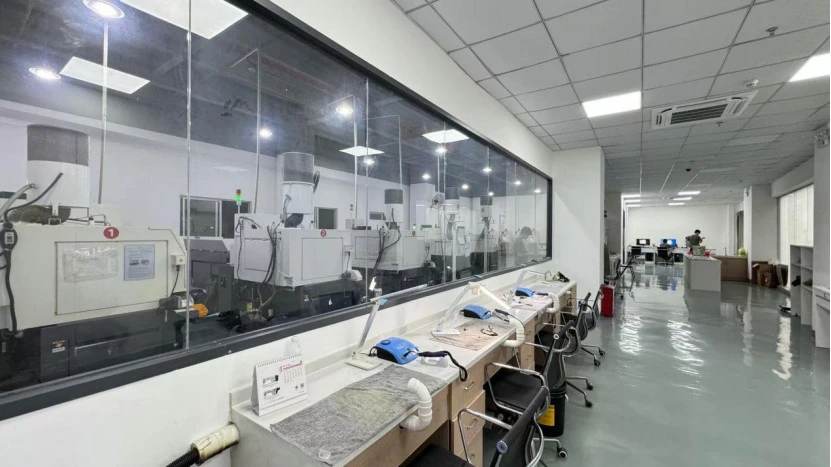
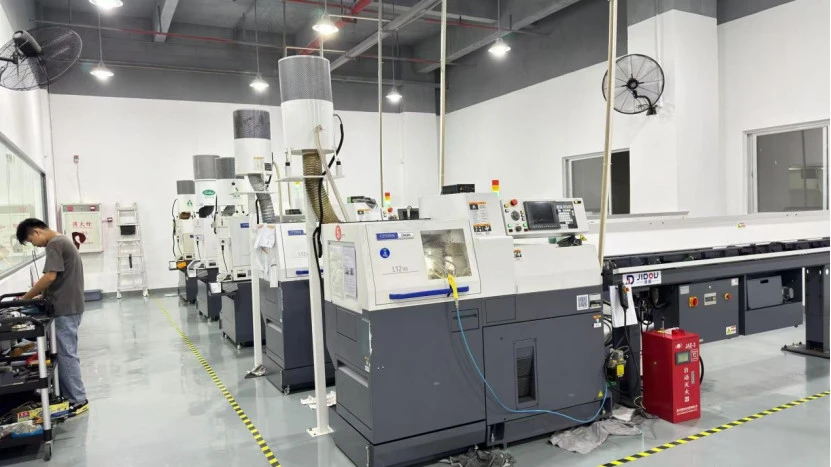
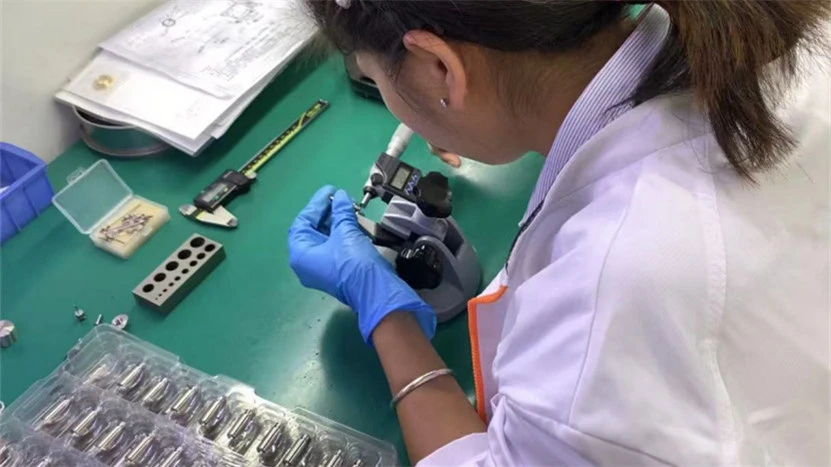
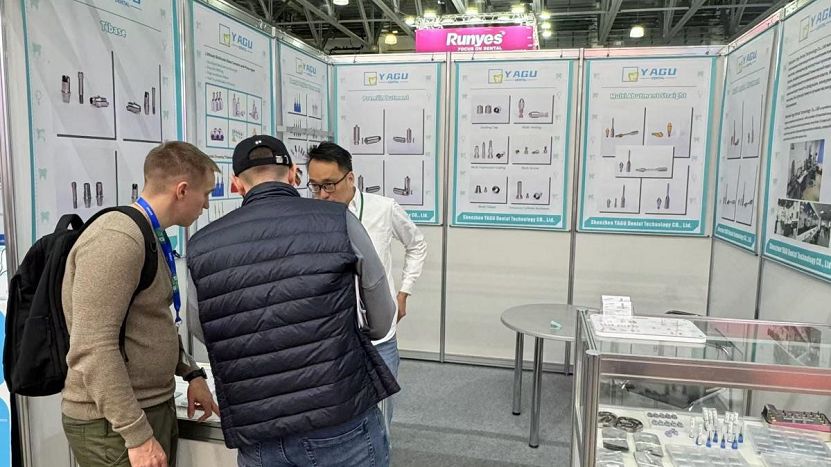
Shenzhen Yagu Dental Technology Co., Ltd is a professional dental implant components manufacturer, with a number of imported manufacturing machines, professional technical personnel, more than 15 years of laboratory and clinical experience. We accept OEM & ODM customized products, like Premill Abutment, Analog, Customized Abutment, Ti base, Multi Unit MUA Abutment, Scan body, Healing Abutment, Impression coping, Multi Unit MUA Screws and so on. We have more than 80+ system brand implant components, like Osstem Hiossen, Dentium, Straumann, Nobel, Alpha-Bio Tec, Adin, Cotex, BEGO, Dio, Zimmer, Neo Biotech, Mis, Camlog...and so on. We provide Competitive price, high quality and best after-sales service. Welcome to contact us for more details.
FAQ
Hot Tags: nobel multi unit abutment, China nobel multi unit abutment manufacturers, suppliers, factory, protective packaging of implant abutment, clean implant abutment, implant direct multi unit abutment, test methods for implant abutment, implant abutment networking, online marketing of implant abutment


