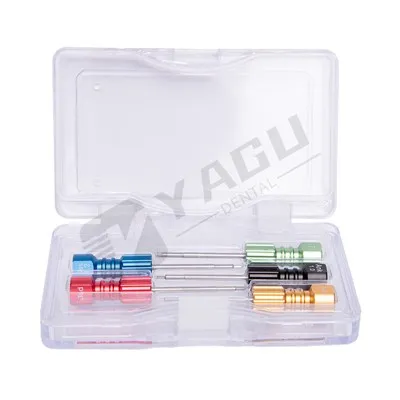
Hey there! As a supplier of Implant Screw Drivers, I've seen my fair share of issues that dentists and dental technicians face when using these tools. In this blog post, I'm gonna share some tips on how to troubleshoot common problems with implant screw drivers.
1. Screwdriver Not Fitting Properly
One of the most common issues is when the screwdriver doesn't fit the implant screw correctly. This can happen for a few reasons.
Worn - Out Tips
Over time, the tip of the screwdriver can wear out. If you notice that the tip looks dull or has lost its shape, it's likely time for a replacement. You can easily check this by visually inspecting the tip. When the tip is worn, it won't engage properly with the screw, leading to slipping and potentially damaging the screw or the implant.
The solution here is to replace the screwdriver tip. As a supplier, we offer high - quality replacement tips for our Implant Screw Drivers. These tips are designed to fit perfectly and ensure a secure connection with the implant screw.
Incorrect Screw - Driver Size
Another reason for a poor fit could be that you're using the wrong size of screwdriver. Each implant screw has a specific size and shape that requires a corresponding screwdriver. Make sure to double - check the product specifications of both the implant screw and the screwdriver.
We have a wide range of Dental Implant Screwdrivers in different sizes and designs to match various implant systems. So, if you're having trouble finding the right fit, take a look at our product catalog.
2. Difficulty in Turning the Screw
If you're having a hard time turning the implant screw with the screwdriver, there are a few things to consider.
Debris in the Screw Head
Sometimes, debris such as bone chips or dental cement can get stuck in the screw head. This can prevent the screwdriver from turning smoothly. You can try using a small, clean brush to gently remove any visible debris from the screw head.
If the debris is stubborn, you might need to use a Bone Chip Maker to carefully clean out the area. These tools are designed to safely remove debris without damaging the implant or the screw.
Over - Tightened Screws
If the screw was over - tightened during a previous procedure, it can be extremely difficult to turn it again. In this case, you may need to use a torque - controlled screwdriver to gradually loosen the screw. A torque - controlled screwdriver allows you to apply the right amount of force, preventing damage to the implant and the surrounding bone.
3. Slippage During Use
Slippage of the screwdriver during use can be a real pain. It not only makes the procedure more difficult but also poses a risk of damaging the implant or the surrounding tissue.
Grease or Contamination
Grease, oil, or other contaminants on the screwdriver tip or the screw head can cause slippage. Make sure to clean both the screwdriver tip and the screw head thoroughly before each use. You can use a mild cleaning solution and a lint - free cloth to wipe them down.
Improper Grip
Sometimes, the way you hold the screwdriver can also contribute to slippage. Make sure to hold the screwdriver firmly and apply even pressure when turning the screw. If you're using a powered screwdriver, adjust the speed and torque settings according to the requirements of the procedure.
4. Strange Noises or Vibrations
If you hear strange noises or feel excessive vibrations when using the implant screw driver, it could indicate a problem.
Loose Components
Check if any of the components of the screwdriver are loose. This could include the handle, the tip, or the internal parts of a powered screwdriver. Tighten any loose screws or connections. If you're unsure how to do this, refer to the user manual or contact our technical support team.


Mechanical Issues
In some cases, the strange noises or vibrations could be due to a mechanical problem within the screwdriver. This might require professional repair. As a supplier, we offer repair services for our Implant Screw Drivers. Our technicians are trained to diagnose and fix a wide range of mechanical issues.
5. Electrical Problems (for Powered Screwdrivers)
If you're using a powered implant screw driver, you might encounter electrical problems.
Battery Issues
If the screwdriver isn't working or is losing power quickly, it could be a battery problem. Check if the battery is properly charged. If it's an old battery, it might need to be replaced. We offer high - quality replacement batteries for our powered screwdrivers.
Faulty Wiring
Faulty wiring can also cause electrical problems. Look for any visible signs of damage to the wiring, such as frayed cables. If you find any issues, do not attempt to repair the wiring yourself. Instead, send the screwdriver to our repair center for professional service.
In conclusion, troubleshooting issues with implant screw drivers doesn't have to be a headache. By following these tips and using the right tools and replacement parts, you can keep your screwdrivers in top - notch condition.
If you're facing any problems with your implant screw drivers or are looking to purchase new ones, don't hesitate to reach out to us. We're here to help you find the best solutions for your dental implant needs. Whether you need advice on product selection, troubleshooting, or repair services, our team of experts is just a message away. Start a conversation with us today and let's work together to make your dental implant procedures smoother and more successful.
References
- Dental Implant Technology Handbook, various authors
- Journal of Oral Implantology, multiple issues
- Manufacturer's manuals for Implant Screw Drivers and related dental tools