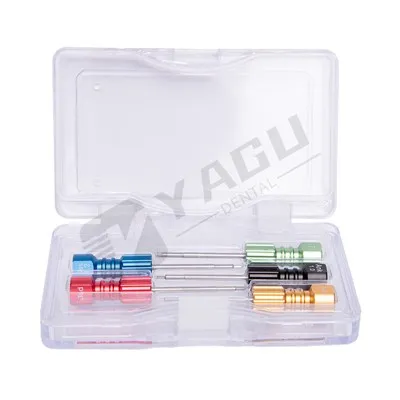
As a reliable supplier of Osstem Angled Abutments, I understand the importance of providing comprehensive guidance on the installation process. This blog aims to offer a detailed, step - by - step guide on how to install the Osstem Angled Abutment, ensuring that both dental professionals and those interested in dental implant procedures can carry out the installation safely and effectively.


Pre - installation Preparations
Before starting the installation of the Osstem Angled Abutment, several preparations are necessary.
1. Patient Assessment
First and foremost, a thorough patient assessment is crucial. This includes a detailed medical history review to identify any underlying health conditions that may affect the implant procedure. For example, patients with diabetes or a history of smoking may have a higher risk of complications during and after the installation. Additionally, a comprehensive oral examination should be conducted, including X - rays and 3D imaging, to accurately assess the bone quality, quantity, and position of the existing implants.
2. Selection of the Right Abutment
Based on the patient's specific situation, the appropriate Osstem Angled Abutment should be selected. Consider factors such as the angulation required, the diameter of the implant, and the occlusal requirements. Our company offers a wide range of Osstem Angled Abutments to meet different clinical needs. If you are unsure about the selection, you can always refer to the product catalog or consult our technical support team.
3. Sterilization of Instruments
All instruments used in the installation process must be properly sterilized. This includes the abutment itself, the screwdriver, and any other tools. Follow the manufacturer's instructions for sterilization to prevent any potential infections. We recommend using autoclaving or other high - level disinfection methods to ensure the safety of the procedure.
Installation Steps
1. Access the Implant
After the patient has been appropriately anesthetized, create a small incision in the gum tissue to expose the implant. Use a scalpel or a tissue punch to carefully access the implant. Be gentle during this process to minimize damage to the surrounding tissues.
2. Remove the Healing Cap
Once the implant is exposed, use a suitable instrument to remove the healing cap. This step requires precision to avoid any damage to the implant interface. Make sure to clean the implant surface after removing the healing cap to remove any debris or biofilm.
3. Check the Implant Interface
Inspect the implant interface for any signs of damage or debris. A clean and undamaged interface is essential for a successful abutment installation. Use a probe or a magnifying glass to carefully examine the interface. If there are any issues, consult with the implant manufacturer or our technical support team for further guidance.
4. Select the Correct Torque Wrench
Choose the appropriate torque wrench for tightening the Osstem Angled Abutment. The correct torque is crucial to ensure the stability of the abutment and prevent loosening over time. Refer to the product manual for the recommended torque value.
5. Attach the Abutment
Carefully place the Osstem Angled Abutment onto the implant. Make sure it is properly aligned with the implant interface. Use the screwdriver and the torque wrench to gradually tighten the abutment. Do not overtighten, as this can cause damage to the implant or the abutment.
6. Confirm the Position
After tightening the abutment, confirm its position. Check the angulation and the height of the abutment to ensure it meets the treatment plan. You can use a dental articulator or a radiographic examination to verify the position.
7. Close the Incision
Once the abutment is correctly installed, close the incision in the gum tissue using sutures. Use a non - absorbable or absorbable suture material depending on the clinical situation. Make sure the sutures are properly placed to promote proper healing.
Post - installation Care
1. Patient Instructions
Provide the patient with detailed post - installation instructions. This includes information on oral hygiene, diet, and any medications that may be prescribed. Advise the patient to avoid chewing on the side of the newly installed abutment for a certain period to allow for proper healing.
2. Follow - up Appointments
Schedule follow - up appointments to monitor the healing process. During these appointments, check the stability of the abutment, the condition of the gum tissue, and the patient's overall oral health. Make any necessary adjustments or treatments based on the findings.
Comparison with Other Abutments
While the Osstem Angled Abutment has its unique advantages, it's also useful to compare it with other popular abutments in the market. For example, the Angled Abutment Straumann is another well - known product. The Osstem Angled Abutment often offers a more cost - effective solution without compromising on quality. The Nobel Multi Unit Abutment is known for its versatility, but the Osstem Angled Abutment provides excellent angulation options for specific clinical cases. And the Angled Multi Unit Abutments also have their own features, but the Osstem product is designed with user - friendly installation procedures in mind.
Conclusion
Installing the Osstem Angled Abutment requires careful planning, precise execution, and proper post - installation care. As a supplier, we are committed to providing high - quality products and comprehensive support to ensure the success of your dental implant procedures. If you have any questions about the installation process, product selection, or need more information about our Osstem Angled Abutments, feel free to contact us for further discussion and potential procurement opportunities.
References
- Osstem Product Manual
- Dental Implant Textbooks
- Clinical Research Papers on Dental Implant Abutments