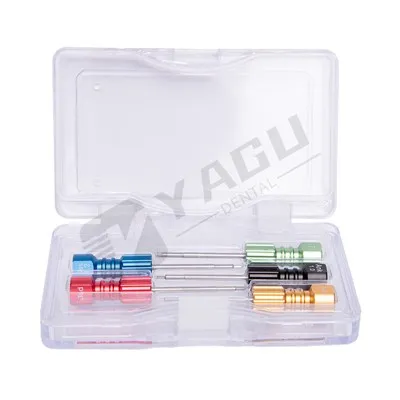
When it comes to dental implant procedures, the Osstem Angled Abutment is a crucial component that offers flexibility and precision in achieving optimal prosthetic outcomes. As a supplier of Osstem Angled Abutments, I understand the importance of having the right tools for a successful installation. In this blog post, I will outline the essential tools needed to install the Osstem Angled Abutment, providing you with a comprehensive guide to ensure a smooth and efficient process.
1. Implant Handpiece
The implant handpiece is the primary tool used to insert the Osstem Angled Abutment into the implant fixture. It is a high - speed, precision instrument that allows for accurate placement. A good implant handpiece should have adjustable speed and torque settings to accommodate different bone densities and implant types. It is essential to choose a handpiece that is compatible with the Osstem implant system to ensure proper functioning and alignment.
2. Torque Wrench
A torque wrench is a critical tool for installing the Osstem Angled Abutment. It is used to apply the correct amount of torque to the abutment screw, ensuring a secure and stable connection between the abutment and the implant fixture. Over - tightening or under - tightening the screw can lead to complications such as screw loosening, abutment failure, or even implant loss. A calibrated torque wrench is necessary to achieve the manufacturer's recommended torque value, which is typically around 30 - 35 Ncm for Osstem implants.
3. Abutment Screwdriver
The abutment screwdriver is specifically designed to fit the Osstem Angled Abutment screw. It has a precise tip that matches the screw's head, allowing for easy and accurate tightening. The screwdriver should be made of high - quality materials to prevent wear and ensure long - term use. It is also important to keep the screwdriver clean and free from debris to maintain its functionality.
4. Implant Leveler
An implant leveler is used to ensure that the Osstem Angled Abutment is installed at the correct height and angle in relation to the surrounding teeth and soft tissues. It helps to achieve proper occlusion and esthetics. The leveler typically consists of a handle and a leveling plate that can be adjusted to different angles. By using the implant leveler, the dentist can accurately position the abutment and avoid any discrepancies that could affect the final restoration.


5. Soft Tissue Punch
A soft tissue punch is used to create an opening in the gum tissue to expose the implant fixture before installing the Osstem Angled Abutment. It is a sharp, circular instrument that allows for a clean and precise cut. The size of the soft tissue punch should be selected based on the diameter of the abutment to ensure a proper fit. Using a soft tissue punch helps to minimize trauma to the surrounding tissues and promotes faster healing.
6. Impression Copings and Trays
Impression copings are used to transfer the position and orientation of the Osstem Angled Abutment to the dental laboratory for the fabrication of the final restoration. They are attached to the abutment and then used in conjunction with an impression tray to take an accurate impression of the implant site. There are different types of impression copings available, such as closed - tray and open - tray copings. The choice of impression coping depends on the specific requirements of the case and the preference of the dentist.
7. Periodontal Probe
A periodontal probe is a thin, calibrated instrument used to measure the depth of the gingival sulcus around the Osstem Angled Abutment. It helps to assess the health of the surrounding tissues and detect any signs of inflammation or infection. Regular use of a periodontal probe during the post - operative period is essential for monitoring the healing process and ensuring the long - term success of the implant.
8. Sterilization Equipment
Proper sterilization of all the tools used in the installation of the Osstem Angled Abutment is of utmost importance to prevent infection. Autoclaves, dry heat sterilizers, or chemical sterilization methods can be used to ensure that the tools are free from bacteria, viruses, and other pathogens. It is crucial to follow the manufacturer's instructions for sterilization and maintain a strict sterilization protocol in the dental office.
Comparison with Other Multi - Unit Abutments
While the Osstem Angled Abutment offers many advantages, it is also important to be aware of other multi - unit abutments available in the market. For example, the Straumann Multi Unit Abutment, Hiossen Multi Unit Abutment, and Nobel Multi Unit Abutment are well - known alternatives. Each of these abutments has its own unique features and indications, and the choice between them depends on various factors such as the patient's anatomy, the implant system used, and the clinician's preference.
Conclusion
Installing the Osstem Angled Abutment requires a set of specialized tools to ensure a successful outcome. From the implant handpiece to the sterilization equipment, each tool plays a crucial role in the process. As a supplier, I am committed to providing high - quality Osstem Angled Abutments and the necessary tools to support dental professionals in their implant procedures. If you are interested in learning more about our products or have any questions regarding the installation of the Osstem Angled Abutment, please feel free to contact us for a procurement discussion. We look forward to working with you to achieve the best possible results for your patients.
References
- Osstem Implant System User Manual
- Dental Implantology Textbooks (e.g., Branemark et al., "Osseointegrated Implants in the Treatment of the Edentulous Jaw")
- Journal articles on dental implant abutment installation and maintenance