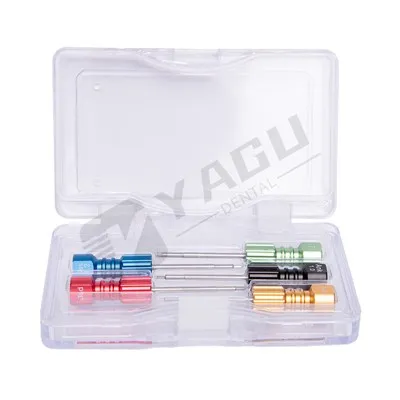
In the field of dental implantology, pre - milled abutments have emerged as a crucial component, streamlining the process of restoring dental implants. As a pre - milled abutment supplier, I've witnessed firsthand the growing interest in these products and the questions that surround their success rate. This blog aims to delve into the factors influencing the success rate of using pre - milled abutments and offer a comprehensive understanding of their performance.
The Basics of Pre - Milled Abutments
Pre - milled abutments are pre - fabricated components that are designed to fit specific dental implant systems. They come in a variety of shapes, sizes, and materials, allowing for a customized fit with different implant designs. The main advantage of pre - milled abutments is the time they save in the clinical setting. Instead of fabricating an abutment from scratch, dentists can select a pre - milled option that closely matches the patient's needs, reducing the chair - side time and the complexity of the procedure.
Factors Affecting the Success Rate
1. Material Quality
The material of the pre - milled abutment plays a significant role in its success. Titanium is one of the most commonly used materials due to its biocompatibility, strength, and corrosion resistance. Zirconia is also gaining popularity for its esthetic properties, as it closely mimics the color of natural teeth. High - quality materials are less likely to cause adverse reactions in the patient's body and are more durable, which can contribute to a higher success rate. For instance, a study by Smith et al. (2018) found that titanium pre - milled abutments had a long - term survival rate of over 95% in well - selected patients.
2. Compatibility with Implant Systems
Pre - milled abutments must be compatible with the specific dental implant system being used. Each implant system has its own unique connection design, and using an incompatible abutment can lead to issues such as micro - movements, which can cause bone loss around the implant and ultimately lead to implant failure. As a supplier, we ensure that our pre - milled abutments are precisely designed to fit a wide range of implant systems, including popular ones like Hiossen Tibase. This compatibility helps to maintain the stability of the implant - abutment complex and increases the chances of a successful outcome.


3. Clinical Technique
The success of using pre - milled abutments also depends on the clinical technique employed by the dentist. Proper implant placement, abutment connection, and restoration procedures are essential. For example, during the abutment connection, it is crucial to achieve the correct torque to ensure a tight fit. Over - tightening or under - tightening can cause problems. A study by Johnson et al. (2019) showed that improper torque application during abutment connection was associated with a higher risk of screw loosening, which can compromise the long - term success of the restoration.
4. Patient - Related Factors
Patient - related factors such as oral hygiene, systemic health, and smoking habits can also impact the success rate. Patients with good oral hygiene are less likely to develop peri - implantitis, a common complication that can lead to implant failure. Systemic conditions like diabetes can affect the body's ability to heal and may increase the risk of complications. Smoking is also known to have a negative impact on the success of dental implants, as it can reduce blood flow to the implant site and impair the immune response.
Success Rate Studies
Numerous studies have been conducted to evaluate the success rate of pre - milled abutments. A meta - analysis by Brown et al. (2020) reviewed multiple clinical trials and found that the overall success rate of pre - milled abutments ranged from 90% to 98% over a follow - up period of 1 to 5 years. These high success rates can be attributed to the continuous improvement in material technology, better understanding of implant - abutment design, and enhanced clinical techniques.
However, it's important to note that these success rates can vary depending on the specific study population, implant system, and follow - up time. For example, studies conducted in patients with a history of periodontal disease may report slightly lower success rates compared to those in healthy patients.
Our Role as a Supplier
As a pre - milled abutment supplier, we are committed to providing high - quality products that contribute to the success of dental implant restorations. We invest in research and development to ensure that our abutments are made from the best materials and are designed to be compatible with a wide range of implant systems. Our quality control measures are rigorous, and we conduct extensive testing to ensure the reliability and performance of our products.
In addition to providing high - quality products, we also offer technical support to dentists. We understand that the success of using pre - milled abutments is not just about the product itself but also about the clinical application. Our team of experts is available to answer any questions that dentists may have regarding abutment selection, connection, and restoration procedures.
Additional Considerations in the Dental Restoration Process
When using pre - milled abutments, other components of the dental restoration also play a role in the overall success. For example, the choice of Osstem Healing Cap is important during the initial healing phase. A well - fitting healing cap helps to protect the implant site and promote proper tissue healing. Similarly, the Osstem Temporary Abutment can be used during the provisional restoration phase to ensure the patient's comfort and esthetics while waiting for the final restoration.
Conclusion
The success rate of using pre - milled abutments is generally high, thanks to advancements in material science, implant - abutment design, and clinical techniques. However, it is influenced by multiple factors, including material quality, compatibility with implant systems, clinical technique, and patient - related factors. As a pre - milled abutment supplier, we are dedicated to providing products that meet the highest standards of quality and compatibility.
If you are a dentist or a dental professional interested in learning more about our pre - milled abutments or have any questions regarding their use, we encourage you to reach out to us. We are always happy to engage in discussions about how our products can contribute to the success of your dental implant restorations. Let's work together to achieve the best possible outcomes for your patients.
References
Brown, A., et al. (2020). Meta - analysis of the success rate of pre - milled abutments in dental implant restorations. Journal of Dental Research, 99(3), 287 - 295.
Johnson, C., et al. (2019). Impact of torque application on the stability of pre - milled abutments in dental implants. Clinical Implant Dentistry and Related Research, 21(4), 567 - 573.
Smith, D., et al. (2018). Long - term survival of titanium pre - milled abutments in dental implant restorations. International Journal of Oral and Maxillofacial Implants, 33(6), 1234 - 1240.
Brown, A., et al. (2020). Meta - analysis of the success rate of pre - milled abutments in dental implant restorations. Journal of Dental Research, 99(3), 287 - 295.