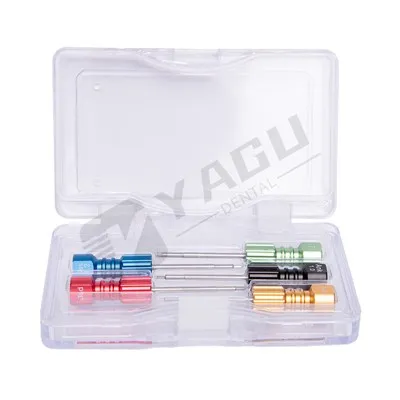
Hey there! As a supplier of straight abutments, I often get asked about the best corrosion-resistant materials for these crucial dental components. In this blog post, I'm gonna share some insights on this topic, so you can make an informed decision when it comes to choosing the right materials for your straight abutments.
First off, let's talk about why corrosion resistance is so important for straight abutments. These abutments are placed in the oral cavity, which is a harsh environment filled with saliva, food particles, and various bacteria. Over time, exposure to these elements can cause corrosion, leading to a range of issues such as discoloration, degradation of the material, and even potential harm to the patient's oral health. That's why selecting corrosion-resistant materials is essential to ensure the longevity and performance of straight abutments.


One of the most commonly used materials for straight abutments is titanium. Titanium is a popular choice due to its excellent corrosion resistance, biocompatibility, and strength. It forms a thin, protective oxide layer on its surface when exposed to oxygen, which helps prevent further corrosion. This oxide layer is self-healing, meaning that if it gets damaged, it can reform quickly to protect the underlying metal. Titanium is also lightweight, which makes it comfortable for patients to wear.
Another great option is zirconia. Zirconia is a ceramic material that has gained popularity in recent years for its high strength, aesthetic appeal, and excellent corrosion resistance. It is highly biocompatible and does not cause any allergic reactions in most patients. Zirconia abutments have a natural white color, which makes them a great choice for patients who want a more aesthetically pleasing solution. Additionally, zirconia is resistant to staining and discoloration, ensuring that the abutment maintains its appearance over time.
Stainless steel is also used in some cases for straight abutments. While it is not as corrosion-resistant as titanium or zirconia, it is still a cost-effective option. However, it's important to note that not all stainless steels are created equal. High-quality stainless steels with a high chromium content are more corrosion-resistant than lower-grade ones. When choosing a stainless steel abutment, make sure to select one that is specifically designed for dental applications to ensure its performance and safety.
Now, let's take a look at some of the factors to consider when choosing a corrosion-resistant material for straight abutments.
Biocompatibility
As mentioned earlier, biocompatibility is crucial when it comes to dental materials. The material should not cause any adverse reactions in the patient's body. Titanium and zirconia are both highly biocompatible, making them safe choices for straight abutments.
Strength and Durability
Straight abutments need to be strong enough to withstand the forces of chewing and biting. Titanium and zirconia are known for their high strength and durability, ensuring that the abutments can last for a long time without breaking or deforming.
Aesthetics
For many patients, the appearance of the abutment is important. Zirconia abutments offer a more natural and aesthetically pleasing look compared to titanium or stainless steel. If aesthetics are a priority, zirconia might be the better choice.
Cost
Cost is always a consideration when choosing dental materials. Titanium is generally more affordable than zirconia, while stainless steel is the most cost-effective option. However, it's important to balance cost with the quality and performance of the material.
In addition to these factors, it's also important to consider the specific requirements of your patients and the dental procedure. Your dentist or dental technician can provide you with more detailed information and guidance based on your individual needs.
Now, if you're interested in learning more about other types of abutments, I'd like to share some useful links. You can check out our Multi Unit Abutment page for more information on multi-unit abutments. We also have a great selection of Nobel Multi Unit Abutment options. And if you're looking for angled abutments, head over to our Angled Abutment Dental Implant page.
As a straight abutment supplier, I'm committed to providing high-quality products made from the best corrosion-resistant materials. If you're in the market for straight abutments or have any questions about the materials we use, feel free to reach out to me. I'd be more than happy to discuss your needs and help you find the right solution for your patients. Whether you're a dentist, a dental laboratory, or involved in the dental industry, we can work together to ensure that you get the best straight abutments for your practice.
In conclusion, choosing the right corrosion-resistant material for straight abutments is crucial for the success of dental implant procedures. Titanium, zirconia, and stainless steel are all viable options, each with its own advantages and disadvantages. By considering factors such as biocompatibility, strength, aesthetics, and cost, you can make an informed decision that meets the needs of your patients. If you have any further questions or want to start a conversation about purchasing straight abutments, don't hesitate to get in touch. Let's work together to provide the best dental solutions for your patients.
References
- “Dental Materials: Properties and Manipulation” by John M. Powers and William R. Wataha
- “Textbook of Oral and Maxillofacial Implants in Dentistry” by Carl E. Misch