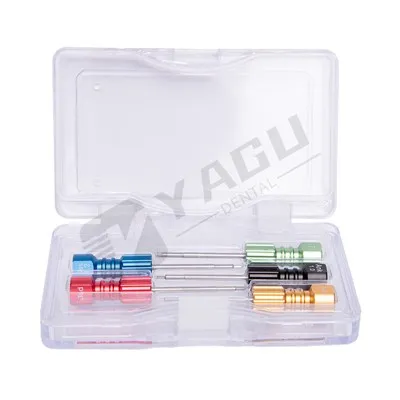
The chewing ability is a fundamental aspect of our daily lives, directly influencing our nutrition, enjoyment of food, and overall quality of life. Dental implants have revolutionized the field of dentistry by providing a long - term solution for missing teeth. An implant abutment, a crucial component of the dental implant system, plays a significant role in restoring and enhancing chewing ability. As a supplier of implant abutments, I am well - versed in the various aspects of how these components impact chewing function.
Understanding Implant Abutments
Implant abutments are connectors that link the dental implant (which is surgically placed into the jawbone) to the dental prosthesis, such as a crown, bridge, or denture. They come in different shapes, sizes, and materials, each designed to meet specific clinical needs. For instance, the Osstem Angled Abutment is engineered to accommodate angled implant placements, allowing for more flexible restoration options. Similarly, the Angled Abutment Straumann offers precise adaptation for Straumann implants, and the Nobel Multi Unit Abutment is suitable for multiple implant restorations.
Impact on Chewing Force Distribution
One of the primary ways an implant abutment affects chewing ability is through its role in force distribution. When we chew, forces are generated in the mouth. In a natural dentition, these forces are evenly distributed across the teeth and the underlying bone. In the case of dental implants, the implant abutment acts as a mediator to transfer the chewing forces from the prosthesis to the implant and then to the surrounding bone.
A well - designed implant abutment ensures that the forces are distributed uniformly, preventing excessive stress on any single point. This is crucial because uneven force distribution can lead to implant failure, bone resorption, and damage to the prosthesis. For example, if an abutment is not properly aligned with the implant, it can cause concentrated forces on one side, increasing the risk of implant loosening over time. The right abutment, with its appropriate shape and connection design, helps to mimic the natural force - distribution pattern, allowing patients to chew more efficiently and comfortably.
Influence on Occlusion and Bite Stability
Occlusion refers to the way the upper and lower teeth come together when we bite. A stable bite is essential for effective chewing. Implant abutments play a vital role in achieving proper occlusion and bite stability. They can be adjusted and customized to ensure that the dental prosthesis aligns correctly with the opposing teeth.
When an abutment is accurately placed and adjusted, it helps to create a balanced bite. This means that the forces exerted during chewing are evenly distributed across the entire dental arch. A balanced bite reduces the risk of premature wear on the teeth and prostheses, as well as the development of temporomandibular joint (TMJ) disorders. For patients with multiple missing teeth, using multi - unit abutments like the Nobel Multi Unit Abutment can help to restore a more natural and stable bite, improving their chewing ability and overall oral function.
Material Properties and Chewing Ability
The material of the implant abutment also has a significant impact on chewing ability. Common materials used for abutments include titanium, zirconia, and gold alloys. Each material has its own unique properties that can affect the chewing experience.
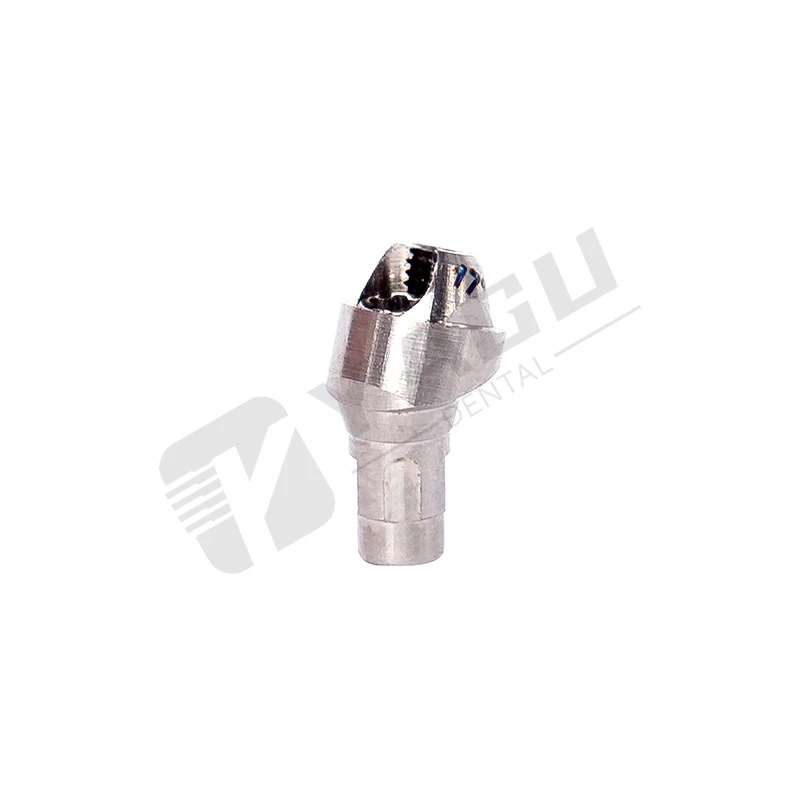

Titanium is a popular choice due to its excellent biocompatibility, strength, and corrosion resistance. It can withstand the high forces generated during chewing without deforming. However, titanium abutments may have a metallic taste, which some patients may find unpleasant. Zirconia, on the other hand, is aesthetically pleasing as it closely resembles the color of natural teeth. It is also strong and has good wear resistance. Zirconia abutments can provide a more natural - looking restoration, which can enhance the patient's confidence while chewing. Gold alloys are known for their high strength and malleability. They can be easily adjusted to achieve the desired fit and occlusion, making them suitable for complex restorations.
Enhancing Chewing Comfort
Comfort is an important factor in chewing ability. An ill - fitting implant abutment can cause discomfort, pain, and even soft - tissue irritation. A well - designed and properly installed abutment ensures that the dental prosthesis fits snugly and does not cause any pressure points or rubbing against the gums or oral mucosa.
For example, angled abutments are designed to accommodate the anatomical variations in the oral cavity, allowing for a more comfortable fit. They can be used to correct the angulation of the implant, ensuring that the prosthesis is in the correct position for optimal chewing. Additionally, the surface finish of the abutment can also affect comfort. A smooth surface reduces the risk of food debris accumulation and bacterial adhesion, which can lead to inflammation and discomfort.
Long - Term Effects on Chewing Ability
Over the long term, a high - quality implant abutment can have a positive impact on chewing ability. When an abutment is properly selected and installed, it helps to maintain the health of the implant and the surrounding bone. This is essential for the long - term success of the dental restoration.
As the bone around the implant remains healthy, the implant remains stable, and the chewing ability can be maintained over time. In contrast, a faulty abutment can lead to bone loss, implant failure, and a decrease in chewing function. Regular follow - up and maintenance are also crucial to ensure the continued performance of the implant abutment and the overall chewing ability of the patient.
Conclusion
In conclusion, implant abutments have a profound effect on chewing ability. They influence force distribution, occlusion, bite stability, material properties, comfort, and long - term oral health. As a supplier of implant abutments, I understand the importance of providing high - quality products that meet the diverse needs of patients and dental professionals.
If you are a dental professional or a patient interested in learning more about our implant abutments or wish to discuss procurement, please feel free to reach out. We are committed to providing the best solutions for restoring and enhancing chewing ability through our range of implant abutments.
References
- Misch, C. E. (2018). Dental Implant Prosthetics. Elsevier.
- Tarnow, D. P., & Cho, S. C. (2017). Implant Dentistry: A Clinical Approach. Wiley Blackwell.
- Buser, D., Martin, W., & Belser, U. C. (2004). Current concepts in dental implantology. Quintessence Publishing.