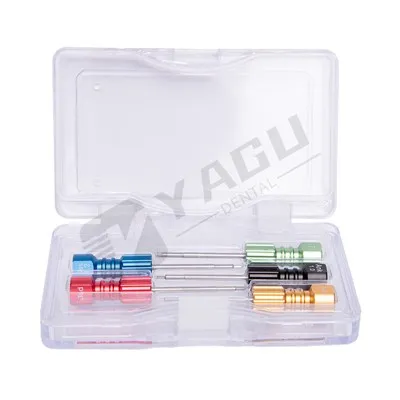
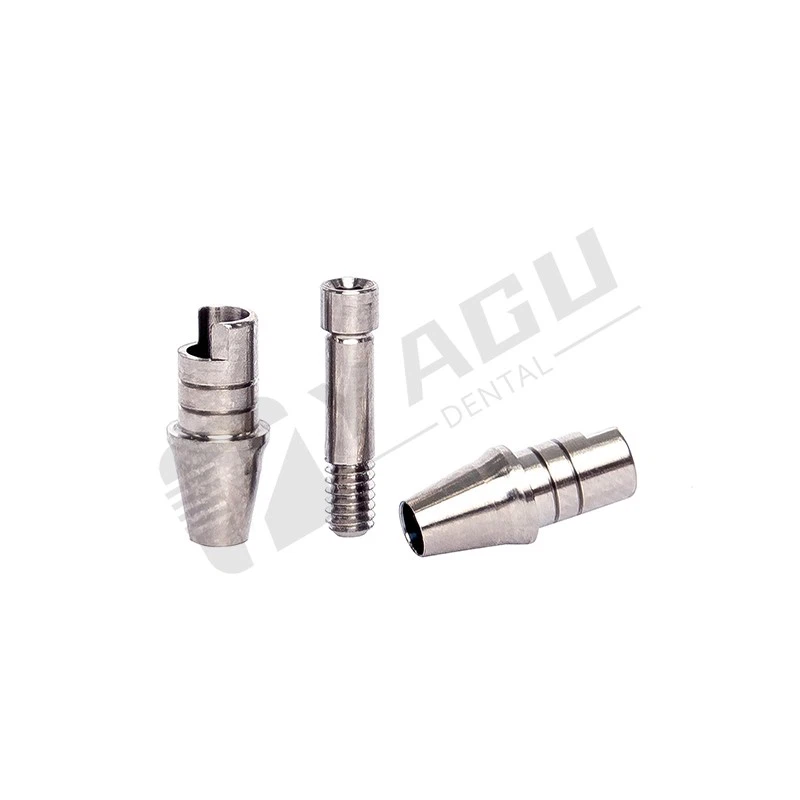
A castable implant abutment is a crucial component in dental implant systems, serving as the connection between the dental implant fixture and the final restoration. It plays a vital role in ensuring the stability, functionality, and aesthetics of the dental prosthesis. However, like any dental component, castable implant abutments can experience issues that may lead to failure. As a supplier of castable implant abutments, it is essential to understand the signs of a failing castable implant abutment to provide our customers with accurate information and support.
Loosening of the Abutment
One of the most common signs of a failing castable implant abutment is loosening. This can occur due to several reasons, including improper torque during installation, occlusal overload, or the presence of micro - movements at the implant - abutment interface. When an abutment becomes loose, it can cause discomfort to the patient, affect the fit of the final restoration, and potentially lead to further complications such as peri - implantitis.
Loosening can often be detected clinically by the patient noticing a slight movement or clicking sensation when chewing or speaking. Dentists may also be able to detect it during routine examinations by gently applying pressure to the abutment. If left untreated, a loose abutment can eventually lead to its complete detachment from the implant, requiring immediate replacement.
Peri - Implant Inflammation
Peri - implant inflammation is another significant sign of a failing castable implant abutment. Inflammation around the implant site can be caused by poor oral hygiene, bacterial infection, or an allergic reaction to the abutment material. When inflammation occurs, the patient may experience pain, swelling, and bleeding around the implant area.
In the early stages, peri - implant inflammation may present as a mild redness and swelling of the gingival tissue. As the condition progresses, it can lead to bone loss around the implant, which is a serious complication that can ultimately result in implant failure. Regular periodontal examinations and proper oral hygiene instructions are essential to prevent and detect peri - implant inflammation early.
Aesthetic Changes
The aesthetic appearance of the dental restoration is an important aspect of patient satisfaction. A failing castable implant abutment can cause aesthetic changes that are noticeable to the patient. For example, if the abutment is corroded or discolored, it can affect the color and transparency of the final restoration, making it look unnatural.
In addition, changes in the position or alignment of the abutment can cause the restoration to fit poorly, resulting in gaps or uneven margins. These aesthetic issues can be a source of distress for the patient and may require the replacement of the abutment and the restoration to achieve a satisfactory result.
Wear and Corrosion
Over time, castable implant abutments can experience wear and corrosion. Wear can occur due to the constant forces of chewing and biting, while corrosion can be caused by the chemical environment in the oral cavity. The presence of wear and corrosion can weaken the abutment, making it more prone to fracture.
Visible signs of wear and corrosion include scratches, pits, or discoloration on the surface of the abutment. In some cases, the wear may be so severe that it affects the mechanical properties of the abutment, leading to a decrease in its strength and stability. Regular inspections of the abutment can help detect wear and corrosion early, allowing for timely replacement.
Fracture of the Abutment
A fractured castable implant abutment is a serious and often unexpected complication. Fracture can occur due to excessive occlusal forces, improper design or manufacturing of the abutment, or pre - existing damage to the abutment. When a fracture occurs, the patient may experience sudden pain, and the function of the dental restoration will be severely compromised.
Fractures can be difficult to diagnose, especially if they are located below the gum line. In some cases, imaging techniques such as X - rays or CT scans may be required to accurately assess the extent of the fracture. Once a fracture is detected, the abutment must be replaced immediately to restore the functionality of the dental implant.

Material Degradation
The material used in the castable implant abutment can also degrade over time. This can be due to factors such as chemical reactions with the oral environment, mechanical stress, or aging of the material. Material degradation can lead to a decrease in the strength and durability of the abutment, as well as changes in its physical properties.
For example, some abutment materials may become more brittle over time, increasing the risk of fracture. Others may release particles or ions into the surrounding tissue, which can cause an inflammatory response. Understanding the properties and limitations of the abutment material is crucial for predicting and preventing material degradation.
Occlusal Issues
Proper occlusal relationships are essential for the long - term success of a dental implant. A failing castable implant abutment can cause occlusal issues such as premature contact, uneven distribution of occlusal forces, or bruxism. These occlusal problems can lead to excessive wear on the abutment and the restoration, as well as pain and discomfort for the patient.
Dentists can detect occlusal issues through a detailed occlusal analysis, which may include the use of articulating paper or digital occlusal analysis systems. Correcting occlusal problems may require adjustment of the restoration or the use of occlusal splints to protect the implant and the abutment.
Compatibility Issues
Compatibility between the castable implant abutment, the implant fixture, and the final restoration is crucial for the success of the dental implant. In some cases, compatibility issues can arise due to differences in the design, dimensions, or material properties of the components.
For example, if the abutment does not fit properly onto the implant fixture, it can cause micro - movements and instability, leading to premature failure. Similarly, if the abutment is not compatible with the final restoration material, it can cause bonding problems or aesthetic issues. Ensuring proper compatibility during the selection and installation of the abutment is essential to prevent these issues.
Conclusion
As a supplier of castable implant abutments, we understand the importance of providing high - quality products and accurate information to our customers. Recognizing the signs of a failing castable implant abutment is crucial for early detection and treatment, which can help prevent more serious complications and ensure the long - term success of the dental implant.
If you are experiencing any of the issues mentioned above with your castable implant abutments, or if you have any questions about our products, we encourage you to contact us for further assistance. Our team of experts is dedicated to providing you with the best solutions for your dental implant needs. We offer a wide range of products, including Straumann Pre Milled Abutment, Straumann Temporary Abutment, and Megagen Ti Base, which are designed to meet the highest standards of quality and performance.
Whether you are a dentist looking for reliable implant components or a patient seeking information about dental implants, we are here to support you. Contact us today to start a discussion about your specific requirements and explore how our castable implant abutments can benefit your practice or treatment.
References
- Albrektsson T, Zarb G A, Worthington P, Eriksson A R. The long - term efficacy of currently used dental implants: a review and proposed criteria of success. Int J Oral Maxillofac Implants. 1986;1(1):11 - 25.
- Buser D, Martin W, Belser U C. Optimizing esthetics for implant restorations with short clinical crowns: anatomic and technical considerations. Int J Oral Maxillofac Implants. 2004;19 Suppl:43 - 61.
- Misch C E. Dental Implant Prosthetics. Mosby; 2008.