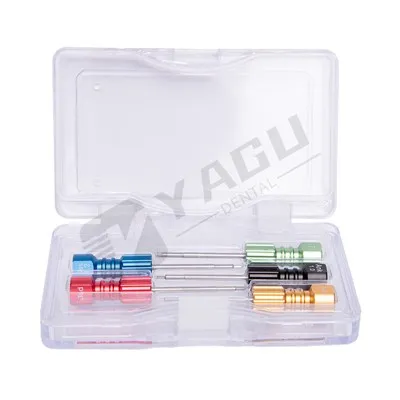
Safety Precautions When Using Dental Implant Tools
As a supplier of dental implant tools, I understand the critical importance of safety in the dental implant procedure. Dental implant tools are precision instruments that, when used correctly, can significantly improve the success rate of dental implant surgeries. However, improper use can lead to serious complications for patients and create risks for dental professionals. In this blog, I will discuss some essential safety precautions when using dental implant tools.
Pre - operative Precautions
Staff Training
Before using any dental implant tools, all dental staff involved in the procedure should receive comprehensive training. This training should cover the proper handling, functioning, and maintenance of each tool. For example, using Implant Screw Drivers requires an understanding of torque settings. Incorrect torque can either lead to loose screws, which may cause implant failure, or over - tightened screws, which can damage the bone and the implant itself. Dental professionals should be well - versed in the specific torque requirements for different types of implants and how to use torque - controlled drivers accurately.
Equipment Inspection
Thorough inspection of all dental implant tools is a must before each use. This includes checking for any visible signs of damage, such as cracks, bends, or dullness. For instance, a Bone Chip Maker with a damaged blade can not only provide ineffective bone cutting but also pose a risk of fragment breakage during the procedure. Any damaged tools should be immediately removed from the sterilization tray and sent for repair or replacement.
Sterilization
Proper sterilization is paramount when it comes to dental implant tools. The risk of infection is one of the most significant concerns in dental implant surgeries. All tools, including Dental Implant Screwdriver, should be sterilized according to strict protocols. This typically involves cleaning the tools to remove debris, followed by autoclaving at appropriate temperatures and pressures. Sterilization records should be maintained to ensure compliance and traceability.
Intra - operative Precautions
Proper Technique
Using dental implant tools requires precise technique. For example, when using an implant drill, the operator should apply consistent and appropriate pressure. Too much pressure can cause excessive heat generation, which can be harmful to the surrounding bone tissue. The drill rotation speed should also be carefully controlled. Additionally, when placing implants, the alignment and angulation are crucial. Incorrect alignment can lead to improper occlusal forces, which may result in implant failure or long - term damage to the patient's oral health.
Adaptation of Tools to the Patient
Each patient's oral anatomy is unique, and dental implant tools should be adapted accordingly. For example, in cases where the bone density is low, the drill and other cutting tools may need to be used with extra care. Specialized drills or bone - saving techniques may be required. Dental professionals should assess the patient's bone quality through pre - operative imaging studies and adjust the use of tools based on the findings.
Monitoring During the Procedure
Throughout the dental implant procedure, the patient's vital signs and the progress of the surgery should be continuously monitored. This includes checking for any signs of excessive bleeding, pain, or discomfort. If the patient shows any adverse reactions, the procedure may need to be adjusted or paused. For example, if a patient experiences severe pain during the placement of an implant, it could indicate a problem such as nerve damage. Prompt action should be taken to address the issue.


Post - operative Precautions
Tool Cleaning and Maintenance
After each use, dental implant tools should be immediately cleaned to remove any blood, tissue, or debris. This helps prevent corrosion and the growth of bacteria. Tools should be disassembled if possible and soaked in a suitable cleaning solution. After cleaning, they should be carefully inspected again for any signs of wear or damage that may have occurred during the procedure.
Storage
Proper storage of dental implant tools is essential to maintain their functionality and safety. Tools should be stored in a clean, dry, and sterile environment. They should be placed in dedicated trays or compartments to prevent damage and cross - contamination. For example, sharp tips of drills or screwdrivers should be protected to avoid accidental damage to other tools or injury to the staff.
Documentation
Accurate documentation of the use of dental implant tools is important for quality control and legal purposes. This includes recording the type of tools used, the patient's information, the date and time of the procedure, and any issues or complications that occurred. This documentation can be used for follow - up, auditing, and to improve future procedures.
In conclusion, safety precautions when using dental implant tools are multi - faceted and cover the entire process from pre - operative to post - operative stages. By following these safety protocols, dental professionals can ensure the well - being of their patients and the success of dental implant surgeries.
As a reliable dental implant tools supplier, we are committed to providing high - quality and safe products. Our Implant Screw Drivers, Bone Chip Maker, and Dental Implant Screwdriver are designed with the latest technology and strict quality control. If you are interested in purchasing dental implant tools, we welcome you to contact us for further discussions and potential business cooperation. We believe that our products can meet your needs and contribute to the safety and success of your dental implant procedures.
References
- American Dental Association. Guidelines for Sterilization and Disinfection in Dental Settings.
- International Congress of Oral Implantologists. Best Practices for Dental Implant Procedures.
- Journal of Oral and Maxillofacial Surgery. Research on Safety in Dental Implantation.