Hey there! As a supplier of dental implant tools, I've seen firsthand the ins and outs of this industry. One topic that often doesn't get enough attention but is super crucial is the calibration of dental implant tools. So, let's dive into why calibration is so important.
First off, what do we mean by calibration? In simple terms, calibration is the process of adjusting a tool to ensure it gives accurate and consistent results. For dental implant tools, this means making sure they work exactly as they're supposed to every single time.
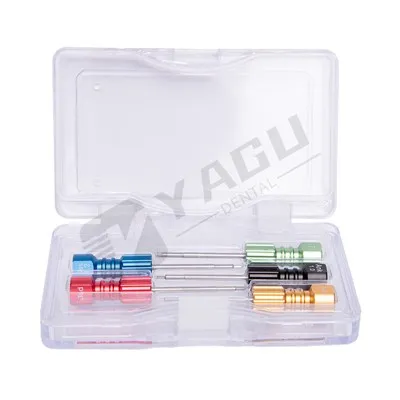
Let's start with the precision aspect. Dental implant procedures are extremely delicate. Even the slightest deviation in the measurements or the performance of a tool can lead to big problems. For example, when using a Dental Implant Screwdriver, if it's not calibrated correctly, it might not tighten the implant screw to the right torque. This can cause the implant to become loose over time, leading to pain for the patient and potentially even implant failure. A well - calibrated screwdriver ensures that the screw is tightened to the precise torque recommended by the implant manufacturer, which is essential for the long - term stability of the implant.
Accuracy is also key when it comes to bone preparation. Tools like the Bone Chip Maker are used to create space in the jawbone for the implant. If this tool isn't calibrated properly, it might create a cavity that's either too small or too large. A cavity that's too small can damage the bone and make it difficult to insert the implant, while a cavity that's too large won't provide enough support for the implant, increasing the risk of it shifting or failing. Calibration ensures that the bone chip maker creates a cavity of the exact size and shape required for a successful implant placement.
Another important factor is patient safety. Incorrectly calibrated tools can pose a significant risk to patients. For instance, an Implant Screw Drivers that delivers too much force can cause excessive trauma to the surrounding tissues. This can lead to complications such as bleeding, infection, and nerve damage. By calibrating the tools, we can minimize these risks and ensure that the dental implant procedure is as safe as possible for the patient.
Consistency is also a major benefit of calibration. In a dental practice, multiple dentists might use the same set of tools. If the tools aren't calibrated, each dentist might get different results, which can lead to inconsistent treatment outcomes. Calibration ensures that every time a tool is used, it performs in the same way, regardless of who's using it. This allows for more predictable results and better overall patient care.
Now, let's talk about the long - term cost - effectiveness. While calibration might seem like an additional expense, it actually saves money in the long run. Uncalibrated tools are more likely to cause implant failures, which means additional procedures for the patient. These additional procedures not only cost more in terms of materials and labor but also damage the reputation of the dental practice. By investing in regular calibration, dental practices can avoid these costly complications and ensure that their patients are satisfied with the results.


As a supplier of dental implant tools, I understand the importance of providing high - quality, calibrated tools. That's why we have a strict calibration process in place for all our products. We use state - of - the - art equipment and follow industry best practices to ensure that every tool we supply meets the highest standards of accuracy and performance.
We also offer calibration services for existing tools. If you're a dental professional and you're not sure if your tools are calibrated correctly, we can help. Our team of experts can assess your tools, calibrate them if necessary, and provide you with a detailed report of the calibration results.
In conclusion, calibration is an essential part of the dental implant process. It ensures precision, accuracy, patient safety, consistency, and cost - effectiveness. Whether you're a dental professional looking to provide the best possible care for your patients or a patient considering a dental implant, make sure that the tools being used are properly calibrated.
If you're interested in purchasing high - quality, calibrated dental implant tools or need calibration services for your existing tools, I'd love to talk to you. Feel free to reach out to us to start a conversation about your needs. We're here to help you achieve the best possible results in your dental implant procedures.
References
- Dental Implantology: Principles and Practice, various authors
- Journal of Oral and Maxillofacial Surgery, multiple issues
- International Journal of Oral and Maxillofacial Implants, various volumes