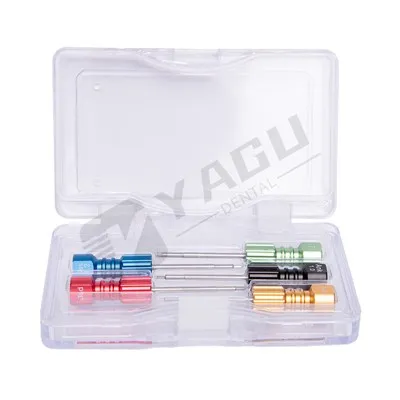
Nobel Temporary Abutments are a crucial component in the field of dental implants, and understanding their influence on the bone integration process is essential for both dental professionals and patients. As a supplier of Nobel Temporary Abutments, I have witnessed firsthand the impact these products can have on the success of dental implant procedures. In this blog post, I will delve into the scientific aspects of how Nobel Temporary Abutments influence the bone integration process.
The Basics of Bone Integration
Before we explore the role of Nobel Temporary Abutments, it's important to understand the concept of bone integration. Also known as osseointegration, this process occurs when the living bone tissue grows and adheres to the surface of a dental implant. It is a fundamental requirement for the long - term stability and success of dental implants. When an implant is placed in the jawbone, the body recognizes it as a foreign object at first. However, through a series of biological responses, the bone cells start to interact with the implant surface. Osteoblasts, the cells responsible for bone formation, begin to lay down new bone matrix around the implant. Over time, this new bone fuses with the implant, creating a strong and stable bond.
Surface Characteristics of Nobel Temporary Abutments
One of the key factors that influence the bone integration process is the surface characteristics of the abutment. Nobel Temporary Abutments are designed with specific surface treatments to enhance their interaction with the surrounding bone tissue. The surface roughness of these abutments plays a vital role. A moderately rough surface provides a larger surface area for the attachment of bone cells. This increased surface area allows for more contact between the abutment and the bone, facilitating the initial adhesion of osteoblasts.
Moreover, the surface chemistry of Nobel Temporary Abutments is carefully engineered. The materials used in these abutments are biocompatible, meaning they do not trigger an adverse immune response from the body. This biocompatibility is essential as it allows the bone cells to function normally and promotes the growth of new bone. For example, titanium is a commonly used material in Nobel Temporary Abutments due to its excellent biocompatibility and mechanical properties. Titanium forms a thin oxide layer on its surface when exposed to air, which further enhances its biocompatibility and promotes cell adhesion.
Mechanical Stability and Bone Integration
Mechanical stability is another important aspect related to bone integration. Nobel Temporary Abutments are designed to provide a stable connection between the implant and the prosthetic restoration. A stable abutment reduces micromovements at the implant - bone interface. Excessive micromovements can disrupt the formation of new bone and lead to fibrous tissue encapsulation instead of osseointegration.
When the abutment is firmly attached to the implant, it transfers the occlusal forces evenly to the surrounding bone. This controlled force distribution stimulates the bone remodeling process. The bone responds to these mechanical stimuli by adapting and strengthening itself. In this way, the mechanical stability provided by Nobel Temporary Abutments promotes the growth of healthy bone around the implant.
Comparison with Other Abutment Types
To better understand the influence of Nobel Temporary Abutments on bone integration, it is useful to compare them with other types of abutments. For example, the Straumann Ti Base is another popular option in the market. While it also has its own advantages in terms of design and functionality, Nobel Temporary Abutments may offer unique surface characteristics and mechanical properties that are more conducive to bone integration.
Pre Milled Abutment and Castable Abutments are other alternatives. Pre - milled abutments are convenient as they can be quickly prepared, but their surface properties may not be as optimized for bone integration as Nobel Temporary Abutments. Castable abutments, on the other hand, allow for more customization but may have issues with the consistency of the surface finish, which can affect the bone integration process.


Biological Signaling and Bone Integration
Nobel Temporary Abutments can also influence the bone integration process through biological signaling. The surface of the abutment can release certain molecules or ions that act as signals to the bone cells. For example, some surface treatments can release calcium and phosphate ions, which are essential components of the bone matrix. These ions can stimulate the activity of osteoblasts and promote the synthesis of new bone.
In addition, the abutment surface can interact with the extracellular matrix proteins in the surrounding tissue. These proteins play a crucial role in cell adhesion, migration, and differentiation. By promoting the interaction between the abutment and the extracellular matrix proteins, Nobel Temporary Abutments can enhance the recruitment and activity of bone - forming cells.
Clinical Evidence of Bone Integration with Nobel Temporary Abutments
Clinical studies have provided evidence of the positive impact of Nobel Temporary Abutments on bone integration. These studies typically use imaging techniques such as cone - beam computed tomography (CBCT) to assess the bone density and quality around the implant over time. The results show that patients with Nobel Temporary Abutments often have better bone integration compared to those using other types of abutments.
In long - term follow - up studies, it has been found that implants with Nobel Temporary Abutments have a lower rate of implant failure due to lack of osseointegration. This indicates that the design and surface characteristics of these abutments are effective in promoting the formation of a strong and stable bone - implant interface.
The Role of the Supplier in Ensuring Quality
As a supplier of Nobel Temporary Abutments, I understand the importance of providing high - quality products. We work closely with manufacturers to ensure that the abutments meet the strictest quality standards. This includes rigorous testing of the surface properties, mechanical strength, and biocompatibility of the abutments.
We also provide comprehensive technical support to dental professionals. This support includes information on the proper installation and use of Nobel Temporary Abutments to optimize the bone integration process. By working together with dental teams, we can ensure that patients receive the best possible outcomes from their dental implant procedures.
Conclusion
In conclusion, Nobel Temporary Abutments have a significant influence on the bone integration process. Their surface characteristics, mechanical stability, and ability to participate in biological signaling all contribute to the formation of a strong and stable bone - implant interface. Through clinical evidence, we can see that these abutments offer a reliable solution for promoting osseointegration and improving the long - term success of dental implants.
If you are a dental professional interested in learning more about Nobel Temporary Abutments or would like to discuss procurement and potential partnerships, please feel free to reach out. We are committed to providing the highest quality products and support to help you achieve the best results for your patients.
References
- Albrektsson T, Zarb G A, Worthington P, Eriksson A R. The long - term efficacy of currently used dental implants: a review and proposed criteria of success. Int J Oral Maxillofac Implants. 1986;1(1):11 - 25.
- Buser D, Martin W, Belser U C. Optimizing esthetics for implant restorations with short implants in the anterior maxilla: a systematic review of the literature. Int J Oral Maxillofac Implants. 2009;24 Suppl:115 - 138.
- Cochran D L. Implant - bone interface: the histologic and histomorphometric analysis. Int J Oral Maxillofac Implants. 1999;14(2):291 - 303.