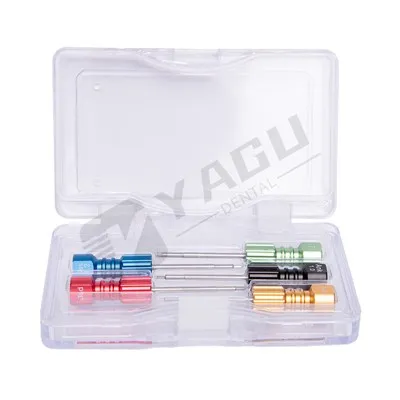
Pre milled abutments play a crucial role in modern dental implantology, and understanding how they interact with the soft tissue attachment is essential for achieving successful and long - lasting dental restorations. As a pre milled abutment supplier, I have witnessed firsthand the significance of this interaction in clinical practice.
1. The Basics of Soft Tissue Attachment
Soft tissue attachment around dental implants is a complex biological process. The gingival tissue forms a seal around the implant and the abutment, which acts as a barrier against bacteria and other harmful agents. This seal is vital for preventing peri - implantitis, a common and potentially serious complication in dental implant treatments.
The soft tissue attachment is mainly composed of two types of tissues: the junctional epithelium and the connective tissue attachment. The junctional epithelium attaches to the surface of the abutment through hemidesmosomes, creating a tight seal. The connective tissue, on the other hand, provides structural support and stability to the attachment.
2. Surface Characteristics of Pre Milled Abutments and Soft Tissue Interaction
The surface characteristics of pre milled abutments have a profound impact on the soft tissue attachment. The surface roughness, chemical composition, and topography of the abutment can influence the adhesion and proliferation of the soft tissue cells.
Surface Roughness
A moderately rough surface can enhance the soft tissue attachment. Micro - roughness on the abutment surface provides more surface area for the cells to attach to. Studies have shown that a surface roughness in the range of 0.5 - 2 micrometers can promote better cell adhesion and migration compared to a smooth surface. When the surface is too smooth, the cells may have difficulty adhering, while an overly rough surface may cause irritation to the soft tissue.
Chemical Composition
The chemical composition of the abutment material also matters. Titanium is one of the most commonly used materials for pre milled abutments due to its excellent biocompatibility. Titanium forms a passive oxide layer on its surface, which is non - toxic and promotes cell adhesion. Some abutments may also be treated with bioactive coatings, such as hydroxyapatite, to further enhance the soft tissue interaction. Hydroxyapatite has a similar chemical composition to the mineral component of bone and can stimulate the growth of soft tissue cells.
Surface Topography
The surface topography, such as grooves, pits, or micro - ridges, can guide the orientation and growth of the soft tissue cells. For example, micro - grooves on the abutment surface can align the cells in a specific direction, promoting the formation of a more organized and stable soft tissue attachment. These topographical features can also influence the flow of the gingival crevicular fluid, which plays a role in maintaining the health of the soft tissue.
3. Design Factors of Pre Milled Abutments and Soft Tissue Attachment
The design of pre milled abutments is another important aspect that affects the soft tissue interaction. The shape, height, and emergence profile of the abutment can all impact the soft tissue health and attachment.
Shape
The shape of the abutment should be designed to mimic the natural tooth structure as closely as possible. A natural - looking shape can help to distribute the occlusal forces evenly and reduce the stress on the soft tissue. For example, a tapered shape can provide a smooth transition from the implant to the crown, which is beneficial for the soft tissue adaptation.
Height
The height of the abutment is crucial for maintaining an adequate zone of attached gingiva. If the abutment is too short, there may not be enough tissue to form a proper seal, increasing the risk of bacterial penetration. On the other hand, if the abutment is too long, it may cause over - stretching of the soft tissue, leading to tissue damage and inflammation.
Emergence Profile
The emergence profile of the abutment refers to the way it emerges from the gingival tissue. A proper emergence profile can support the natural contour of the gingiva and promote a healthy soft tissue attachment. A gradual and smooth emergence profile is preferred, as it allows the gingival tissue to adapt more easily and reduces the risk of food impaction and plaque accumulation.
4. Clinical Implications of Pre Milled Abutment - Soft Tissue Interaction
In clinical practice, understanding the interaction between pre milled abutments and soft tissue attachment is crucial for achieving successful dental implant treatments.


Peri - Implant Health
A good soft tissue attachment around the pre milled abutment is essential for maintaining peri - implant health. When the soft tissue forms a tight seal around the abutment, it can prevent bacteria from entering the implant - tissue interface, reducing the risk of peri - implantitis. Clinicians need to select the appropriate pre milled abutment based on the patient's soft tissue condition and the implant characteristics to ensure a healthy soft tissue attachment.
Aesthetic Outcomes
The interaction between the abutment and the soft tissue also has a significant impact on the aesthetic outcomes of the dental restoration. A well - attached soft tissue can provide a natural - looking gingival margin, which is important for a beautiful smile. For example, a properly designed abutment with a good emergence profile can support the gingival contour and create a more harmonious appearance with the surrounding teeth.
5. Products in the Market and Their Impact on Soft Tissue Attachment
There are various pre milled abutment products available in the market, each with its own features and potential impact on the soft tissue attachment.
The Straumann Temporary Abutment is a well - known product. Straumann has a long - standing reputation for high - quality dental implant products. Their temporary abutments are designed with careful consideration of the soft tissue interaction. They often have a smooth and well - finished surface, which can minimize the irritation to the soft tissue during the healing phase. The shape and height of the Straumann temporary abutment are also optimized to support the soft tissue health.
The Dentium Titanium Scanbody is another important product. While it is mainly used for digital scanning purposes during the implant restoration process, its surface characteristics can also influence the soft tissue if it is in contact with the gingiva for a certain period. Dentium's titanium scanbodies are made of high - quality titanium, which has good biocompatibility and can promote a stable soft tissue attachment.
The Dentium Closed Impression Coping is used to take impressions of the implant position. Similar to the scanbody, its design and surface properties can affect the soft tissue. A well - designed impression coping with a proper surface finish can ensure that the soft tissue remains healthy during the impression - taking process.
6. Conclusion and Call to Action
In conclusion, the interaction between pre milled abutments and the soft tissue attachment is a complex but crucial aspect of dental implantology. Surface characteristics, design factors, and the selection of appropriate products all play important roles in achieving a successful soft tissue attachment.
As a pre milled abutment supplier, we are committed to providing high - quality products that are designed to optimize the soft tissue interaction. Our pre milled abutments are carefully engineered with the latest research findings in mind, considering surface roughness, chemical composition, and design features.
If you are a dental professional interested in learning more about our pre milled abutment products or would like to discuss potential procurement, we welcome you to reach out. We are eager to have in - depth discussions with you about how our products can meet your clinical needs and contribute to the success of your dental implant treatments.
References
- Abrahamsson I, Berglundh T. The mucosal attachment at different abutment materials. A systematic review. Clin Oral Implants Res. 2003;14(5):511 - 522.
- Cochran DL. The physiology of implant - soft tissue attachment. Int J Oral Maxillofac Implants. 2001;16(1):23 - 34.
- Wennerberg A, Albrektsson T. Effects of titanium surface characteristics on bone integration. Int J Oral Maxillofac Implants. 2009;24 Suppl:212 - 225.