


Product Introduction
Dental titanium scanbody is a crucial component in digital dentistry, particularly in the process of creating precise digital impressions for dental restorations. It is used in conjunction with intraoral scanners to capture the exact position and orientation of dental implants in a patient's mouth. The scanbody is temporarily attached to the implant or abutment during the scanning process, providing a reference point for the digital design of crowns, bridges, or other prosthetic restorations.
Key Features of Dental Titanium Scanbody
Material
Made from medical-grade titanium or titanium alloy, ensuring biocompatibility, durability, and corrosion resistance.
Some scanbody may have a coated or anodized surface for better scanning accuracy.
Design
Geometry: Scanbody have a unique, standardized geometry that is recognized by CAD/CAM software. This allows for precise digital mapping of the implant's position and angulation.
Anti-Rotation Features: Many scanbody include grooves, notches, or flat surfaces to prevent rotation during scanning, ensuring accuracy.
Compatibility: Designed to match specific implant systems (e.g., Straumann, Nobel Biocare, Zimmer Biomet, etc.), so it's important to use the correct scanbody for the implant brand and type.
Function
Acts as a reference marker for the intraoral scanner, providing data on the implant's 3D position, depth, and angulation.
Enables the creation of a digital model for designing custom prosthetics with a precise fit.
Types
Open-Tray Scanbody: Used with open-tray impression techniques.
Closed-Tray Scanbody: Used with closed-tray impression techniques.
Universal Scanbody: Compatible with multiple implant systems.
How Dental Titanium Scanbody Work
- The scanbody is attached to the dental implant or abutment in the patient's mouth.
- An intraoral scanner is used to capture the scanbody's position and geometry, along with the surrounding teeth and soft tissues.
- The scanned data is imported into CAD/CAM software, where the scanbody's unique geometry helps the software determine the exact position and orientation of the implant.
- A digital model is created, which is used to design and fabricate the prosthetic restoration (e.g., crown, bridge, or denture).
Advantages of Using Titanium Scanbody
High Precision
Ensures accurate digital impressions, reducing the risk of errors in prosthetic fabrication.
Biocompatibility
Titanium is safe for use in the oral environment.
Durability
Resistant to wear and corrosion, making it suitable for repeated use.
Efficiency
Streamlines the digital workflow, reducing the need for traditional physical impressions.
Considerations When Using Scanbody
Compatibility
Ensure the scanbody matches the implant system being used.
Tightening Torque
Follow the manufacturer's guidelines for attaching the scanbody to avoid damage or inaccuracies.
Scanning Technique
Proper alignment and positioning of the intraoral scanner are critical for accurate results.
Sterilization
Reusable scanbody must be properly sterilized between uses to maintain hygiene and prevent cross-contamination.
Why Choose Yagu

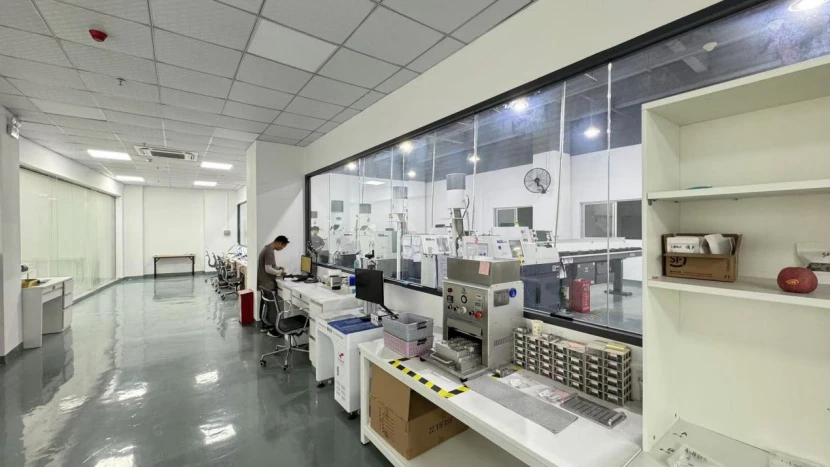
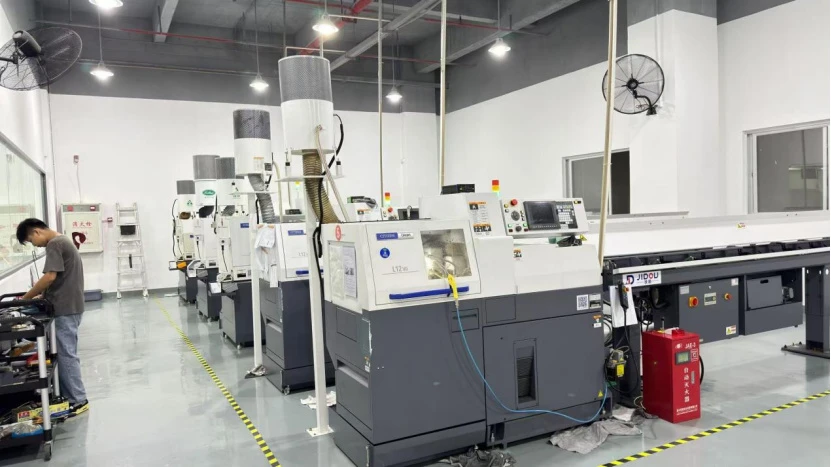
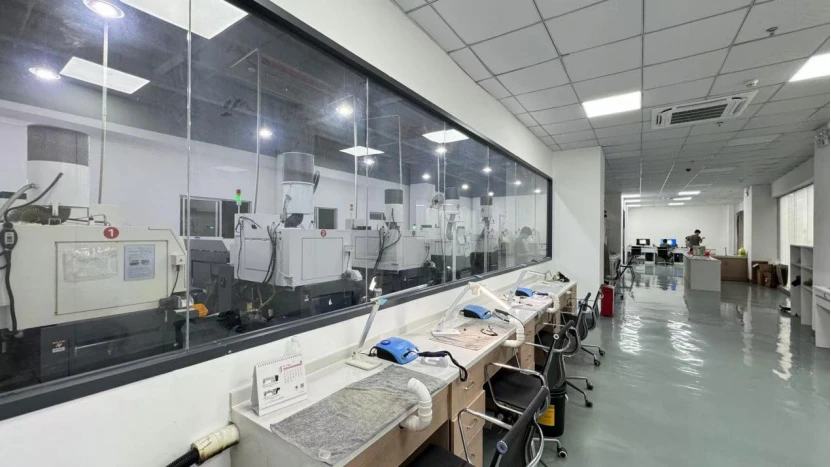
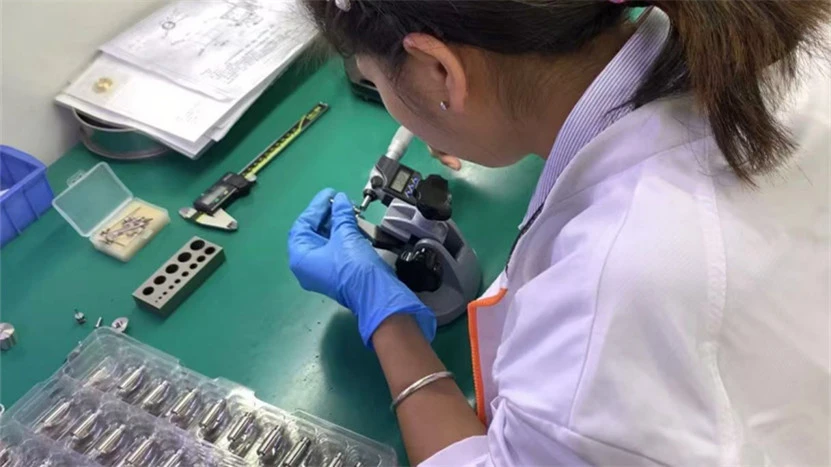
Shenzhen Yagu Dental Technology Co., Ltd is a professional dental implant components manufacturer, with a number of imported manufacturing machines, professional technical personnel, more than 10 years of laboratory and clinical experience. We accept OEM & ODM customized products, like Premill Abutment, Analog, Customized Abutment, Ti base, Multi Unit MUA Abutment, Scan body, Healing Abutment, Impression coping, Multi Unit MUA Screws and so on. We have more than 50 system brand implant components, like Osstem Hiossen, Dentium, Straumann, Nobel, Alpha-Bio Tec, Adin, Cotex, BEGO, Dio, Zimmer, Neo Biotech, Mis, Camlog... and so on. We provide Competitive price, high quality and best after-sales service. Welcome to contact us for more details.
FAQ
Hot Tags: dentium titanium scanbody, China dentium titanium scanbody manufacturers, suppliers, factory, nobel temporary snap abutment, implant part cell adhesion, castable abutment osstem, implant part sales, implant part fetal development, implant ti base


