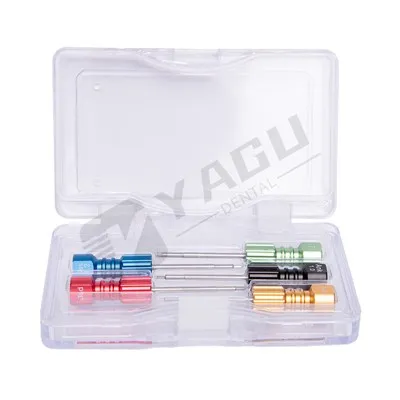
As a supplier of implant abutments, I often receive inquiries from dental professionals about the proper storage of used implant abutments. This is a crucial topic as improper storage can lead to contamination, damage, and ultimately, compromised patient safety. In this blog post, I will share some insights on how to store used implant abutments effectively.
Understanding the Importance of Proper Storage
Used implant abutments are medical devices that have been in contact with a patient's oral cavity. They may carry bacteria, viruses, or other pathogens that can pose a risk to both patients and dental staff if not handled correctly. Additionally, improper storage can cause physical damage to the abutments, such as scratches, corrosion, or deformation, which can affect their performance and fit.
Proper storage of used implant abutments is essential for several reasons:
- Infection Control: By storing used abutments in a clean and sterile environment, we can minimize the risk of cross-contamination and prevent the spread of infectious diseases.
- Preservation of Quality: Correct storage conditions help maintain the integrity and functionality of the abutments, ensuring that they can be reused safely and effectively.
- Compliance with Regulations: Dental practices are required to follow strict regulations regarding the handling and storage of medical devices. Adhering to proper storage procedures helps ensure compliance with these regulations.
Cleaning and Disinfection Before Storage
Before storing used implant abutments, it is crucial to clean and disinfect them thoroughly. This process helps remove debris, organic matter, and microorganisms from the surface of the abutments. Here are the general steps for cleaning and disinfecting used implant abutments:
- Pre-cleaning: Rinse the abutments under running water to remove any visible debris or blood. Use a soft brush or ultrasonic cleaner to remove stubborn contaminants.
- Disinfection: Immerse the abutments in a suitable disinfectant solution according to the manufacturer's instructions. Common disinfectants used for dental instruments include glutaraldehyde, peracetic acid, and hydrogen peroxide.
- Rinsing: After disinfection, rinse the abutments thoroughly with sterile water to remove any residual disinfectant.
- Drying: Allow the abutments to air dry completely or use a clean, lint-free cloth to dry them. Avoid using compressed air, as it may introduce contaminants.
Choosing the Right Storage Containers
Once the used implant abutments are clean and dry, they should be stored in appropriate containers. The choice of storage containers depends on several factors, including the type of abutments, the storage environment, and the intended duration of storage. Here are some considerations when selecting storage containers:
- Material: The storage containers should be made of a material that is compatible with the abutments and does not react with them. Common materials used for storage containers include plastic, glass, and metal.
- Sealability: The containers should have a tight seal to prevent the entry of dust, moisture, and microorganisms. This helps maintain the sterility of the abutments during storage.
- Visibility: Clear or translucent containers allow for easy visual inspection of the abutments without opening the container. This helps identify any signs of damage or contamination.
- Organization: The containers should be designed to keep the abutments organized and prevent them from coming into contact with each other. This helps minimize the risk of damage during storage.
Storage Conditions
In addition to using the right storage containers, it is important to store the used implant abutments in a suitable environment. The storage conditions can affect the quality and integrity of the abutments over time. Here are some key factors to consider when storing used implant abutments:
- Temperature: The storage temperature should be within the recommended range specified by the manufacturer. Generally, a cool and dry environment is preferred to prevent the growth of microorganisms and the degradation of the abutments.
- Humidity: High humidity can cause corrosion and damage to the abutments. It is important to store the abutments in an environment with low humidity to prevent these issues.
- Light: Exposure to direct sunlight or ultraviolet light can cause discoloration and degradation of the abutments. Store the abutments in a dark or shaded area to protect them from light.
- Ventilation: Adequate ventilation is important to prevent the accumulation of moisture and odors in the storage area. Ensure that the storage area is well-ventilated to maintain a clean and dry environment.
Labeling and Documentation
Proper labeling and documentation are essential for tracking the history and status of the used implant abutments. Each storage container should be labeled with the following information:
- Patient Information: Include the patient's name, date of birth, and dental record number to ensure proper identification.
- Abutment Information: Specify the type, size, and brand of the abutments stored in the container.
- Date of Storage: Record the date when the abutments were stored to track their age and determine the appropriate reprocessing schedule.
- Disinfection Status: Indicate whether the abutments have been cleaned and disinfected and the date of the last disinfection.
In addition to labeling the storage containers, it is also important to maintain a detailed inventory of the used implant abutments. This inventory should include information such as the quantity, location, and status of each abutment. Regularly updating the inventory helps ensure that the abutments are properly accounted for and can be easily retrieved when needed.


Special Considerations for Different Types of Abutments
Different types of implant abutments may require special storage considerations. Here are some examples:
- Angled Abutment Dental Implant: Angled abutments may have a more complex shape, which can make them more difficult to clean and store. It is important to ensure that the angled surfaces are thoroughly cleaned and dried before storage. Additionally, special care should be taken to prevent the abutments from coming into contact with each other to avoid damage to the angled surfaces.
- Hiossen Multi Unit Abutment: Multi-unit abutments are designed to connect multiple implants together. These abutments may require additional cleaning and disinfection steps to ensure that all surfaces are properly treated. It is also important to store the multi-unit abutments in a way that prevents them from becoming tangled or damaged.
- Osstem Angled Abutment: Osstem angled abutments are made of high-quality materials and require proper care to maintain their performance. Similar to other angled abutments, they should be cleaned and dried thoroughly before storage. Additionally, it is important to store them in a container that provides adequate protection for the angled surfaces.
Conclusion
Proper storage of used implant abutments is essential for maintaining their quality, safety, and functionality. By following the guidelines outlined in this blog post, dental professionals can ensure that the used implant abutments are stored in a clean, sterile, and organized manner. This helps minimize the risk of cross-contamination, damage, and compliance issues.
As a supplier of implant abutments, I am committed to providing high-quality products and supporting dental professionals in their practice. If you have any questions or need further information about the storage of used implant abutments, please feel free to contact me. I would be happy to assist you with your inquiries and help you find the best solutions for your needs.
References
- American Dental Association. (20XX). Guidelines for Infection Control in Dental Health-Care Settings.
- Centers for Disease Control and Prevention. (20XX). Guidelines for Disinfection and Sterilization in Healthcare Facilities.
- Manufacturer's Instructions for Use for Implant Abutments.