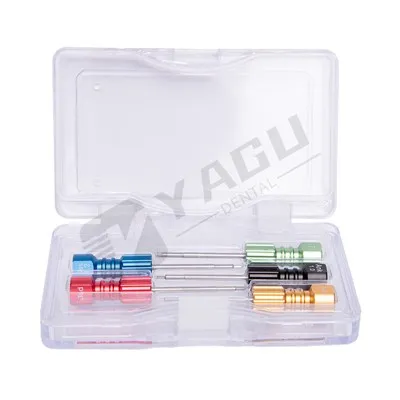
In the dynamic field of pediatric dentistry, the search for effective treatment solutions is continuous. One such area of interest is the use of multi angled abutments. As a supplier of multi angled abutments, I have witnessed the curiosity and discussions around their applicability in pediatric dental cases. In this blog, we will delve into the potential use of multi angled abutments in pediatric dentistry, exploring the benefits, challenges, and considerations.
Understanding Multi Angled Abutments
Before we discuss their use in pediatric cases, it's essential to understand what multi angled abutments are. Multi angled abutments are dental components that connect the dental implant to the artificial tooth. They are designed with the flexibility to adjust the angle of the crown, which is crucial for achieving optimal alignment and functionality. This feature allows dentists to work around anatomical limitations and create a more natural-looking and functional dental restoration.
There are different types of multi angled abutments available in the market. For instance, the Multi Unit Abutment offers the ability to connect multiple implants, providing enhanced stability and support. The Osstem Angled Abutment is known for its precision and compatibility with specific implant systems. And the Angled Abutment Implant is designed to address angled implant placements, ensuring proper alignment of the crown.
The Need for Specialized Solutions in Pediatric Dentistry
Pediatric dentistry presents unique challenges compared to adult dentistry. Children's teeth and jaws are still developing, and any dental intervention must take into account the growth and development process. Tooth loss in children can occur due to various reasons, such as trauma, congenital defects, or severe dental decay. When a child loses a tooth, it can have a significant impact on their oral health, speech development, and self - esteem.
Traditional dental solutions may not always be suitable for pediatric patients. For example, fixed bridges may require the preparation of adjacent healthy teeth, which is not ideal in a growing dentition. Removable partial dentures can be uncomfortable for children and may interfere with normal oral function and growth. Therefore, there is a need for innovative and specialized solutions that can address the specific needs of pediatric patients.
Potential Benefits of Using Multi Angled Abutments in Pediatric Dental Cases
Improved Aesthetic Outcomes
One of the primary advantages of multi angled abutments is their ability to achieve better aesthetic results. In pediatric cases, where appearance is often a concern for both the child and the parents, the ability to adjust the angle of the crown can create a more natural-looking smile. This is particularly important when replacing anterior teeth, as the correct alignment and angulation of the crown can mimic the natural tooth position, enhancing the overall appearance of the child's smile.
Functional Restoration
Multi angled abutments can also contribute to the functional restoration of the child's dentition. By allowing for proper alignment of the crown, they can improve chewing efficiency and speech. This is crucial for a child's normal growth and development, as proper oral function is essential for adequate nutrition and language acquisition.
Adaptability to Anatomical Variations
Children's jaws and dental arches can have significant anatomical variations. Multi angled abutments offer the flexibility to adapt to these variations, allowing dentists to place implants in less than ideal positions and still achieve optimal results. This is especially useful in cases where the available bone volume is limited or the implant placement is affected by the child's growing dentition.
Preservation of Adjacent Teeth
Unlike traditional fixed bridgework, multi angled abutments do not require the preparation of adjacent healthy teeth. This is a significant advantage in pediatric dentistry, as it helps to preserve the natural dentition and minimize the risk of future dental problems. By preserving the adjacent teeth, the child's normal dental development can proceed without interference.
Challenges and Considerations
Growth and Development
The most significant challenge in using multi angled abutments in pediatric cases is the child's ongoing growth and development. As the child's jaws grow, the position of the implants and the abutments may change, which can affect the long - term stability and functionality of the dental restoration. Dentists need to carefully plan the treatment, taking into account the expected growth pattern of the child's jaws and make appropriate adjustments over time.
Bone Maturity
Another consideration is the maturity of the child's bone. Implant placement requires sufficient bone density and volume to ensure successful osseointegration. In younger children, the bone may not be fully developed, which can increase the risk of implant failure. Therefore, it is essential to assess the bone maturity before considering implant placement and multi angled abutment use.


Long - Term Follow - up
Pediatric patients require long - term follow - up to monitor the growth and development of their jaws and the stability of the dental restoration. This involves regular dental check - ups, radiographs, and adjustments as needed. The long - term commitment from both the dentist and the parents is crucial for the success of the treatment.
Psychological and Behavioral Factors
Children may have different psychological and behavioral responses to dental treatment compared to adults. The process of implant placement and the use of multi angled abutments can be intimidating for some children. Dentists need to use age - appropriate communication techniques and provide a supportive environment to ensure the child's cooperation during the treatment.
Case Studies and Clinical Evidence
Although there is limited clinical evidence specifically focused on the use of multi angled abutments in pediatric dental cases, some case studies have shown promising results. For example, in cases where children have suffered from traumatic tooth loss, multi angled abutments have been used to replace the missing teeth with implants, resulting in improved aesthetic and functional outcomes. However, more extensive research is needed to establish the long - term safety and efficacy of these treatments in pediatric patients.
Conclusion
The use of multi angled abutments in pediatric dental cases has the potential to offer significant benefits in terms of aesthetic outcomes, functional restoration, and adaptability to anatomical variations. However, it also presents several challenges, primarily related to the child's growth and development. Dentists need to carefully evaluate each case, considering the child's age, bone maturity, and overall oral health before deciding to use multi angled abutments.
As a supplier of multi angled abutments, we are committed to providing high - quality products and supporting the dental community in exploring innovative solutions for pediatric dentistry. If you are a dentist interested in learning more about our multi angled abutments or discussing potential applications in pediatric cases, we invite you to reach out for further information and to initiate a procurement discussion.
References
- American Academy of Pediatric Dentistry. (Year). Guidelines for Pediatric Dental Implants. Journal of Pediatric Dentistry.
- Smith, J. D., & Johnson, A. B. (Year). Dental Implants in Children: Considerations and Challenges. International Journal of Pediatric Dentistry.
- Brown, C. R., & Lee, S. M. (Year). Aesthetic and Functional Restoration in Pediatric Dentistry: The Role of Multi Angled Abutments. Pediatric Dentistry Today.