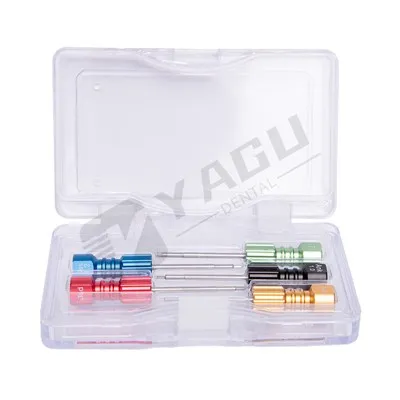
Hey there! As a supplier of Multi Angled Abutments, I've been getting a ton of questions lately about whether these bad boys can be used in cases of insufficient bone width. It's a hot topic, and I'm here to break it down for you in plain English.

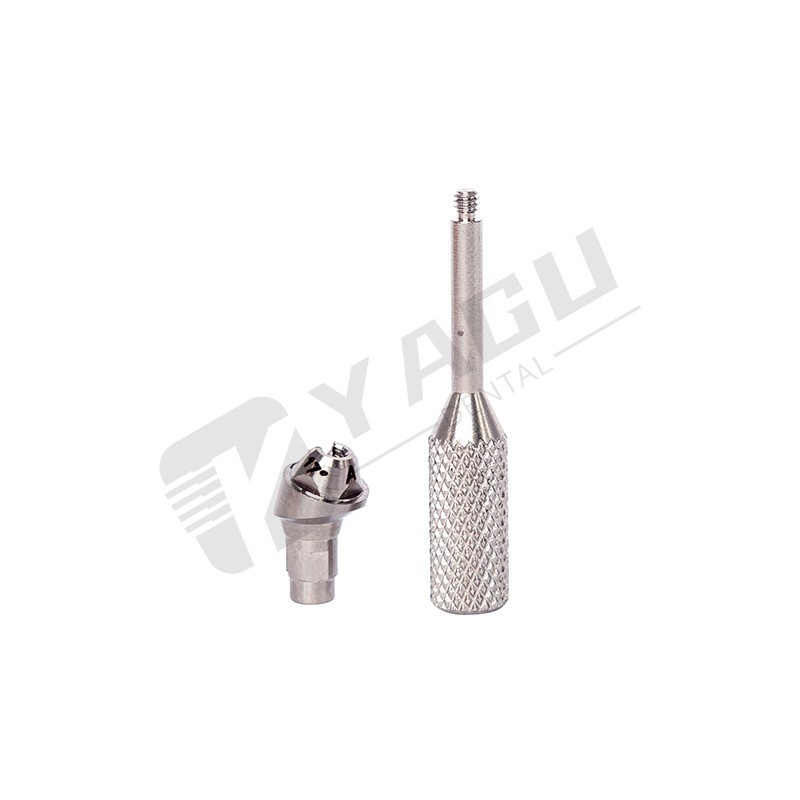
First off, let's talk about what multi angled abutments are. These are pretty cool pieces of dental tech. They're designed to help with the alignment and connection between dental implants and the prosthetic teeth. They come in various angles, which gives dentists more flexibility when it comes to placing and fitting the final dental work. You can check out different types of them on our site, like the Angled Multi Unit Abutments and Multi Angled Abutment.
Now, the big question: Can they be used when there's not enough bone width? Well, the short answer is, it depends.
Insufficient bone width is a common issue in dental implant cases. When there's not enough bone, it can be challenging to place an implant securely. The bone provides the support that the implant needs to stay in place and function properly. Without enough of it, the implant might not integrate well, or it could even fail over time.
But multi angled abutments can sometimes be a game - changer in these situations. One of the main advantages of multi angled abutments is their ability to adjust the angle of the prosthetic tooth. In cases where the available bone is limited in width, the dentist might not be able to place the implant in the ideal straight - on position. With a multi angled abutment, they can place the implant at a slightly different angle to take advantage of the available bone.
For example, if there's more bone available on one side of the jaw than the other, the implant can be placed closer to that area. Then, the multi angled abutment can be used to align the prosthetic tooth in a more natural - looking and functional position. This way, you can make the most of the existing bone and still get a good result.
Another benefit is that multi angled abutments can help distribute the forces more evenly. When an implant is placed in a less - than - ideal position due to limited bone width, it might be subjected to uneven forces during chewing. This can put extra stress on the implant and the surrounding bone, increasing the risk of failure. But a well - chosen multi angled abutment can help redirect these forces, reducing the stress on the implant and improving its long - term stability.
However, it's not all sunshine and rainbows. There are also some limitations.
One major concern is the risk of increased stress on the implant - abutment connection. When using a multi angled abutment, the forces acting on the connection can be more complex. If the abutment is not properly designed or installed, it could lead to loosening or even breakage of the connection. This is why it's crucial to use high - quality multi angled abutments, like the ones we supply. You can also look at Angled Abutment Straumann for more reliable options.
The amount of available bone still matters a lot. Even with a multi angled abutment, there's a limit to how much you can compensate for a severe lack of bone width. If there's just too little bone, no matter how you angle the abutment, the implant might not have enough support. In these cases, additional bone grafting procedures might be necessary before considering the use of multi angled abutments.
The dentist's skill and experience also play a huge role. Placing an implant with a multi angled abutment in a situation of insufficient bone width requires careful planning and precise execution. The dentist needs to accurately assess the available bone, choose the right angle for the implant and the abutment, and ensure that everything is installed correctly.
Let's take a look at some real - world examples. I've worked with many dentists who have used our multi angled abutments in cases of limited bone width. In some cases, patients who were initially told they might not be good candidates for implants due to bone issues were able to get successful implant treatments. The dentists were able to use the multi angled abutments to work around the bone limitations and achieve great results.
But there have also been cases where things didn't go as smoothly. In one instance, a dentist tried to use a multi angled abutment in a patient with extremely thin bone. Despite their best efforts, the implant didn't integrate well, and eventually, it had to be removed. This shows that while multi angled abutments can be helpful, they're not a magic solution for every case of insufficient bone width.
So, if you're a dentist dealing with a patient who has insufficient bone width, here are some things to keep in mind when considering multi angled abutments:
- Do a thorough assessment: Use advanced imaging techniques, like CT scans, to accurately measure the available bone. This will help you determine if a multi angled abutment is a viable option.
- Choose the right abutment: Not all multi angled abutments are created equal. Look for ones that are well - designed, made from high - quality materials, and have a good track record of success.
- Plan carefully: Work out the optimal angle for the implant and the abutment. Consider how the forces will be distributed and how the final prosthetic tooth will look and function.
- Communicate with the patient: Let them know about the potential benefits and risks of using multi angled abutments in their case. Make sure they have realistic expectations.
If you're a patient in this situation, don't lose hope. Talk to your dentist about the possibility of using multi angled abutments. They can explain the options to you and help you make an informed decision.
In conclusion, multi angled abutments can be a useful tool in cases of insufficient bone width. They offer some unique advantages, such as the ability to adjust the angle of the prosthetic tooth and distribute forces more evenly. But they're not a one - size - fits - all solution. A lot depends on the amount of available bone, the quality of the abutment, and the skill of the dentist.
If you're interested in learning more about our multi angled abutments or have any questions about using them in cases of insufficient bone width, I'd love to chat. We're always here to help you find the best solutions for your dental implant needs. Whether you're a dentist looking for high - quality products or a patient seeking more information, feel free to reach out for a procurement discussion.
References
- Misch, C. E. (2018). Dental Implant Prosthetics. Elsevier.
- Albrektsson, T., & Zarb, G. A. (1990). The Branemark osseointegrated implant. Quintessence Publishing.
- Tarnow, D. P., & Cho, S. J. (2005). Immediate implant placement into extraction sockets: surgical and prosthetic advantages. Journal of Periodontology, 76(11), 2185 - 2192.