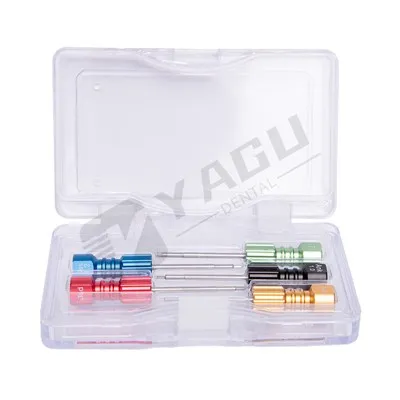
Castable abutments play a crucial role in modern dental implantology, serving as the interface between the dental implant and the prosthetic restoration. Understanding how these abutments interact with the surrounding gum tissue is essential for achieving successful long - term outcomes in implant dentistry. As a leading supplier of castable abutments, we have witnessed firsthand the significance of this interaction and are eager to share our insights.
The Anatomy and Function of Castable Abutments
Castable abutments are custom - fabricated components that are typically made from materials such as titanium or zirconia. They are designed to be cast in the laboratory to fit precisely onto the dental implant, providing a stable foundation for the final prosthetic restoration. The primary function of a castable abutment is to transfer the occlusal forces from the restoration to the implant and the underlying bone, while also maintaining the health and integrity of the surrounding gum tissue.
The surface characteristics of castable abutments are of great importance. A smooth surface finish can reduce the accumulation of plaque and bacteria, which are major factors in the development of peri - implant diseases. On the other hand, a well - designed abutment shape can help guide the growth and attachment of the gum tissue, creating a natural and esthetically pleasing gingival contour.
Interaction Mechanisms with Gum Tissue
Soft Tissue Attachment
The interaction between castable abutments and gum tissue begins with the formation of a biological seal. The gum tissue attaches to the abutment surface through a process called epithelial attachment. The epithelial cells form a tight junction with the abutment, preventing the ingress of bacteria and foreign substances into the peri - implant space.
The material properties of the castable abutment can influence this attachment. For example, titanium has been shown to have good biocompatibility, which promotes the adhesion of epithelial cells. Zirconia, another popular material for castable abutments, also has excellent biocompatibility and esthetic properties. It can provide a more natural - looking appearance due to its translucency, which is beneficial for anterior implant restorations.
Gingival Contouring
The shape of the castable abutment has a direct impact on the gingival contour. A well - designed abutment can mimic the natural shape of the tooth root, which helps to guide the growth of the gum tissue. This results in a more natural and esthetically pleasing appearance of the gingiva around the implant.
During the healing process, the gum tissue adapts to the shape of the abutment. If the abutment has a proper emergence profile, the gum tissue will form a scalloped contour similar to that of natural teeth. This is not only important for esthetics but also for the long - term health of the peri - implant tissues, as a natural gingival contour can help maintain proper oral hygiene.
Inflammatory Response
The presence of a castable abutment in the oral cavity can trigger an inflammatory response in the surrounding gum tissue. This is a normal part of the healing process, but excessive or prolonged inflammation can lead to peri - implant diseases, such as peri - implant mucositis and peri - implantitis.
Factors that can influence the inflammatory response include the surface roughness of the abutment, the presence of bacterial biofilms, and the fit of the abutment on the implant. A rough surface can provide a favorable environment for bacterial colonization, which can stimulate the immune system and cause inflammation. A poor fit between the abutment and the implant can also lead to micro - movements, which can irritate the gum tissue and increase the risk of inflammation.
Clinical Considerations for Optimizing Interaction
Abutment Selection
Selecting the appropriate castable abutment is crucial for optimizing the interaction with the gum tissue. The choice of material should be based on the patient's specific needs and preferences, as well as the clinical situation. For example, in cases where esthetics is a primary concern, zirconia abutments may be a better choice. In cases where strength and durability are more important, titanium abutments may be preferred.
The shape and size of the abutment should also be carefully considered. The emergence profile of the abutment should match the natural contour of the adjacent teeth to ensure a harmonious gingival appearance. Additionally, the height and diameter of the abutment should be selected to provide adequate support for the final prosthetic restoration while maintaining a proper relationship with the gum tissue.
Proper Placement and Installation
Proper placement and installation of the castable abutment are essential for achieving a good interaction with the gum tissue. The abutment should be accurately positioned on the implant to ensure a precise fit. Any misalignment or improper seating of the abutment can lead to micro - movements and increased stress on the gum tissue, which can compromise the long - term success of the implant.
During the installation process, it is important to handle the abutment carefully to avoid contamination. Bacterial contamination can occur if the abutment is not properly sterilized or if it comes into contact with non - sterile instruments or surfaces. This can increase the risk of inflammation and peri - implant diseases.
Maintenance and Follow - up
Regular maintenance and follow - up are necessary to ensure the long - term health of the gum tissue around the castable abutment. Patients should be instructed on proper oral hygiene practices, including brushing, flossing, and the use of antimicrobial mouthwashes. Professional cleanings and examinations should also be scheduled at regular intervals to monitor the health of the peri - implant tissues.


If any signs of inflammation or other problems are detected, appropriate treatment should be initiated promptly. This may include scaling and root planing of the implant surface, the use of antibiotics, or the adjustment or replacement of the abutment if necessary.
Related Products for a Complete Implant System
As a castable abutment supplier, we also offer a range of complementary products that are essential for a complete implant system. For example, the Dentium Multi Unit Impression Coping is used to accurately transfer the position of the implant to the dental laboratory. This allows for the precise fabrication of the castable abutment and the final prosthetic restoration.
The Dentium Abutment Screw is another important component. It is used to secure the castable abutment to the dental implant, ensuring a stable connection. A properly tightened abutment screw is crucial for preventing micro - movements and maintaining the integrity of the implant - abutment - restoration complex.
The Dentium Lab Model Analog is used in the dental laboratory to replicate the position and orientation of the implant. This helps the technician to fabricate an accurate castable abutment and prosthetic restoration that will fit perfectly in the patient's mouth.
Conclusion
The interaction between castable abutments and the surrounding gum tissue is a complex and dynamic process that is essential for the success of dental implant treatments. By understanding the mechanisms of this interaction and following proper clinical protocols, dentists can optimize the health and esthetics of the peri - implant tissues.
As a trusted supplier of castable abutments and related products, we are committed to providing high - quality solutions that meet the needs of dental professionals and their patients. If you are interested in learning more about our products or discussing potential procurement opportunities, please feel free to contact us. We look forward to working with you to achieve the best possible outcomes in implant dentistry.
References
- Misch CE. Contemporary Implant Dentistry. Mosby; 2010.
- Buser D, Martin W, Belser UC. Optimizing esthetics for implant restorations in the anterior maxilla: anatomic and surgical considerations. Int J Oral Maxillofac Implants. 2004;19 Suppl:43 - 61.
- Salvi GE, Lang NP. Peri - implant diseases: Consensus report of workgroup 4 of the 2017 World Workshop on the Classification of Periodontal and Peri - implant Diseases and Conditions. J Clin Periodontol. 2018;45 Suppl 20:S282 - S289.