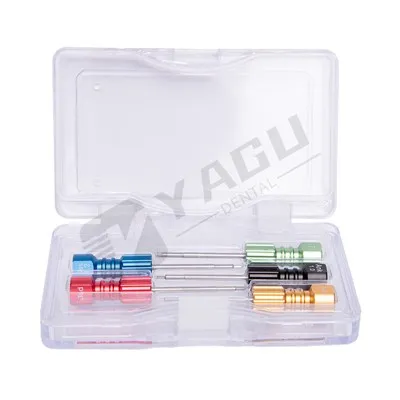
As a supplier of Hiossen Tibase, I've received numerous inquiries regarding its side - effects. In this blog, I'll delve into this topic based on scientific knowledge and real - world experiences.
Understanding Hiossen Tibase
Hiossen Tibase is a well - known dental implant system. It is designed to provide a stable and long - lasting solution for patients who have lost teeth. The system is made of high - quality titanium, which is biocompatible, meaning it is well - tolerated by the human body. Titanium has been used in dental implants for decades due to its excellent mechanical properties and ability to integrate with the jawbone, a process known as osseointegration.
Potential Side - Effects
1. Surgical Risks
The placement of Hiossen Tibase implants involves a surgical procedure. As with any surgical operation, there are inherent risks. One of the most common risks is infection. During the implant placement, bacteria can enter the surgical site, leading to an infection. Symptoms of infection may include pain, swelling, redness, and discharge from the implant area. According to a study published in the Journal of Oral and Maxillofacial Surgery, the incidence of early infection after dental implant placement ranges from 1% to 10%. To minimize this risk, strict aseptic techniques are employed during the surgery, and patients are usually prescribed antibiotics post - operatively.
Another surgical risk is nerve damage. The inferior alveolar nerve and the mental nerve are in close proximity to the areas where dental implants are often placed. If these nerves are damaged during the surgery, patients may experience numbness, tingling, or loss of sensation in the lips, chin, or tongue. However, this complication is relatively rare, occurring in less than 1% of cases, as reported in a meta - analysis in the International Journal of Oral and Maxillofacial Implants.
2. Osseointegration - Related Issues
Osseointegration is crucial for the long - term success of Hiossen Tibase implants. In some cases, the implant may fail to integrate properly with the jawbone. This can be due to factors such as poor bone quality, smoking, or certain systemic diseases like diabetes. When osseointegration fails, the implant may become loose, and patients may experience pain or discomfort when chewing. A study in the Clinical Oral Implants Research found that the overall implant failure rate due to non - osseointegration is approximately 5% to 10%.


3. Allergic Reactions
Although titanium is generally considered biocompatible, in extremely rare cases, patients may have an allergic reaction to the titanium in Hiossen Tibase implants. Symptoms of an allergic reaction can include skin rashes, itching, swelling, and in severe cases, difficulty breathing. However, the incidence of titanium allergy is very low, estimated to be less than 1% of the population, according to a review in the Journal of Dental Research.
Minimizing Side - Effects
To reduce the likelihood of side - effects, a thorough pre - operative evaluation is essential. This includes a detailed medical history, dental examination, and imaging studies such as X - rays or CT scans. These evaluations help the dentist to identify any potential risk factors and plan the implant placement accordingly.
Proper surgical technique is also crucial. Experienced dentists are trained to place the implants accurately, minimizing the risk of nerve damage and infection. After the surgery, patients need to follow strict post - operative instructions, including proper oral hygiene, taking prescribed medications, and avoiding certain activities like smoking and excessive alcohol consumption.
Complementary Products for Hiossen Tibase
When using Hiossen Tibase implants, there are several complementary products that can enhance the overall treatment outcome. For example, Casting Abutment is an important component that connects the implant to the dental restoration. It allows for a customized fit and optimal esthetics.
Dentium Closed Impression Coping is used during the impression - taking process. It helps to accurately transfer the position of the implant in the mouth to the dental laboratory, ensuring a precise fit of the final restoration.
Dentium Titanium Scanbody is useful for digital scanning. It enables dentists to obtain a detailed 3D image of the implant and the surrounding tissues, which is beneficial for treatment planning and the fabrication of the restoration.
Conclusion
In conclusion, while Hiossen Tibase is a reliable dental implant system, there are potential side - effects associated with its use. However, with proper pre - operative evaluation, skilled surgical placement, and appropriate post - operative care, these risks can be minimized. The benefits of dental implants, such as improved chewing function, enhanced esthetics, and increased self - confidence, often outweigh the potential risks.
If you are a dental professional or a patient interested in Hiossen Tibase implants and the complementary products we offer, I encourage you to reach out to us for more information and to discuss potential procurement opportunities. We are committed to providing high - quality products and excellent customer service.
References
- Journal of Oral and Maxillofacial Surgery, Incidence of early infection after dental implant placement.
- International Journal of Oral and Maxillofacial Implants, Meta - analysis on nerve damage during dental implant placement.
- Clinical Oral Implants Research, Implant failure rate due to non - osseointegration.
- Journal of Dental Research, Review on titanium allergy.