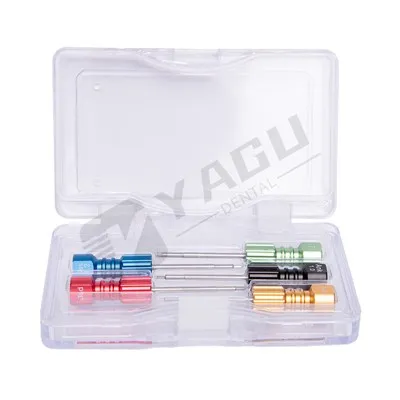
As a supplier of casting abutments, I've had numerous conversations with dental professionals about the benefits and potential drawbacks of using these products. Casting abutments are a crucial component in dental implant procedures, providing a stable connection between the implant and the dental restoration. However, like any medical device, they come with certain risks that need to be carefully considered.
Understanding Casting Abutments
Before delving into the risks, it's essential to understand what casting abutments are and how they function. Casting abutments are custom-made components that are designed to fit a specific dental implant. They are typically fabricated using a lost-wax casting technique, where a wax pattern of the abutment is created, invested in a casting material, and then melted out to leave a cavity. Molten metal is then poured into the cavity to form the abutment.
Casting abutments offer several advantages, including a high degree of customization, which allows for a precise fit with the implant and the dental restoration. They also provide excellent strength and stability, making them suitable for a wide range of applications. Additionally, casting abutments can be used with various types of dental restorations, such as crowns, bridges, and dentures.
Potential Risks Associated with Casting Abutments
While casting abutments are generally considered safe and effective, there are several potential risks associated with their use. These risks can be broadly categorized into the following areas:
1. Mechanical Failure
One of the primary risks associated with casting abutments is mechanical failure. This can occur due to a variety of factors, including improper design, manufacturing defects, or excessive stress on the abutment. Mechanical failure can lead to a loosening or fracture of the abutment, which can compromise the stability of the dental restoration and potentially cause pain and discomfort for the patient.
To minimize the risk of mechanical failure, it's essential to ensure that the casting abutment is properly designed and manufactured to meet the specific requirements of the patient. This includes selecting the appropriate material, ensuring a precise fit with the implant, and using high-quality manufacturing techniques. Additionally, patients should be instructed to avoid excessive force or stress on the dental restoration, such as biting on hard objects or using their teeth to open packages.
2. Biological Complications
Another potential risk associated with casting abutments is biological complications. These can include inflammation, infection, and bone loss around the implant site. Biological complications can occur due to a variety of factors, including poor oral hygiene, a compromised immune system, or an allergic reaction to the abutment material.
To minimize the risk of biological complications, it's essential to ensure that the patient maintains good oral hygiene practices, including regular brushing, flossing, and professional dental cleanings. Additionally, patients should be screened for any underlying medical conditions that may increase their risk of infection or inflammation. If an allergic reaction to the abutment material is suspected, the abutment should be removed and replaced with a different material.
3. Aesthetic Concerns
In some cases, casting abutments may also pose aesthetic concerns. This can occur if the abutment material is visible through the dental restoration or if the color of the abutment does not match the surrounding teeth. Aesthetic concerns can be particularly problematic for patients who are looking for a natural-looking smile.
To minimize the risk of aesthetic concerns, it's essential to select an abutment material that is compatible with the dental restoration and that matches the color of the surrounding teeth. Additionally, the abutment should be designed to minimize its visibility through the dental restoration. In some cases, it may be necessary to use a custom-made abutment or a pre-milled abutment to achieve the desired aesthetic result.
4. Cost
Finally, it's important to consider the cost associated with casting abutments. Casting abutments are typically more expensive than other types of abutments, such as pre-milled abutments or premill abutments. This is due to the custom nature of the manufacturing process and the high-quality materials used.
While the cost of casting abutments may be a concern for some patients, it's important to remember that they offer several advantages over other types of abutments, including a high degree of customization, excellent strength and stability, and a natural-looking appearance. Additionally, the long-term benefits of using a casting abutment may outweigh the initial cost.
Minimizing the Risks
While there are several potential risks associated with casting abutments, these risks can be minimized through careful planning, proper selection of materials, and adherence to best practices in dental implantology. As a supplier of casting abutments, I recommend the following steps to minimize the risks associated with their use:
1. Choose the Right Abutment
When selecting a casting abutment, it's important to choose the right material and design for the specific needs of the patient. This includes considering factors such as the patient's oral health, the type of dental restoration, and the aesthetic requirements. Additionally, it's important to choose an abutment that is compatible with the implant system and that has been tested and approved by a reputable regulatory agency.
2. Work with a Qualified Dental Professional
To ensure the safe and effective use of casting abutments, it's essential to work with a qualified dental professional who has experience in dental implantology. A qualified dental professional can help you choose the right abutment for your patient, perform the implant procedure safely and effectively, and provide ongoing care and support.
3. Follow Best Practices in Oral Hygiene
To minimize the risk of biological complications, it's essential to ensure that the patient maintains good oral hygiene practices. This includes regular brushing, flossing, and professional dental cleanings. Additionally, patients should be instructed to avoid smoking and excessive alcohol consumption, as these habits can increase the risk of infection and inflammation.
4. Monitor the Patient's Progress
After the implant procedure, it's important to monitor the patient's progress closely to ensure that the abutment is functioning properly and that there are no signs of complications. This includes regular follow-up appointments with the dental professional, as well as periodic x-rays and other diagnostic tests.
Conclusion
In conclusion, while there are several potential risks associated with using casting abutments, these risks can be minimized through careful planning, proper selection of materials, and adherence to best practices in dental implantology. As a supplier of casting abutments, I am committed to providing high-quality products and services that meet the needs of dental professionals and their patients. If you have any questions or concerns about casting abutments or if you are interested in learning more about our products, please don't hesitate to [initiate a procurement discussion with us]. We would be happy to assist you.


If you're considering different options, you might also explore Pre Milled Abutment, Premill Abutment, or Castable Abutments to see if they better suit your specific requirements.
References
- Misch, C. E. (2018). Dental Implant Prosthetics. Elsevier Health Sciences.
- Brånemark, P. I., Zarb, G. A., & Albrektsson, T. (2017). Tissue-Integrated Prostheses: Osseointegration in Clinical Dentistry. Quintessence Publishing Co., Inc.
- American Academy of Implant Dentistry. (2021). Dental Implant Patient Information. Retrieved from https://www.aaid-implant.org/patient-information/