Are there any risks associated with implant abutments?
As a supplier of implant abutments, I've had numerous conversations with dental professionals, patients, and industry enthusiasts about the various aspects of these crucial dental components. One question that frequently arises is whether there are any risks associated with implant abutments. In this blog post, I'll delve into this topic, exploring the potential risks, how they can be mitigated, and the importance of choosing the right abutment for each patient.
Understanding Implant Abutments
Before we discuss the risks, let's briefly review what implant abutments are. Implant abutments are the connectors that attach the dental implant (which is surgically placed in the jawbone) to the dental restoration, such as a crown, bridge, or denture. They play a vital role in the overall functionality and aesthetics of the dental implant system.
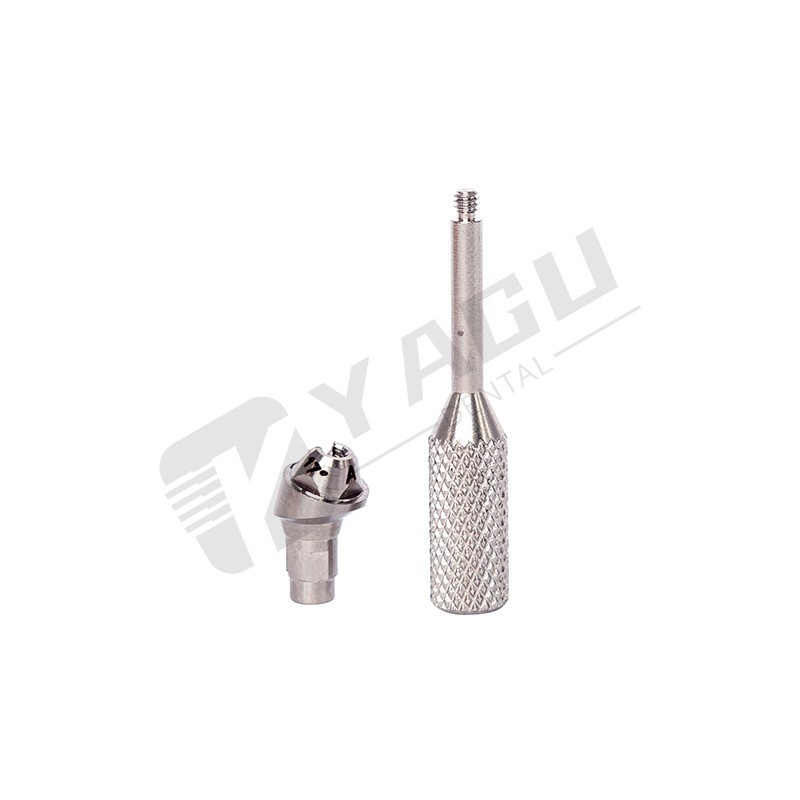
There are different types of implant abutments available in the market, including Straumann Multi Unit Abutment, Osstem Angled Abutment, and Angled Abutment Straumann. Each type has its own unique features and is designed to meet specific clinical needs.
Potential Risks Associated with Implant Abutments
1. Mechanical Complications
One of the primary risks associated with implant abutments is mechanical complications. These can include loosening, fracture, or wear of the abutment. Loosening of the abutment screw can occur due to factors such as inadequate tightening during placement, occlusal forces, or the use of low - quality screws. When an abutment becomes loose, it can lead to instability of the dental restoration, causing discomfort to the patient and potentially compromising the long - term success of the implant.
Fracture of the abutment is another serious mechanical complication. This can happen due to excessive occlusal forces, especially in patients with bruxism (teeth grinding) or those who subject their implants to heavy chewing loads. A fractured abutment requires immediate replacement, which can be a costly and time - consuming procedure for both the patient and the dental professional.
Wear of the abutment can also occur over time, particularly at the interface between the abutment and the dental restoration. This can affect the fit and function of the restoration, leading to esthetic and functional problems.
2. Biological Complications
Biological complications are another area of concern when it comes to implant abutments. One of the most common biological complications is peri - implantitis, which is an inflammatory condition affecting the tissues surrounding the dental implant. Poorly designed or placed abutments can contribute to the development of peri - implantitis by creating a micro - environment that is conducive to the growth of bacteria.
The connection between the abutment and the implant can also be a site for bacterial colonization. If bacteria are able to penetrate the connection, it can lead to inflammation and bone loss around the implant. This can ultimately result in implant failure if left untreated.
In addition, some patients may experience an allergic reaction to the materials used in the abutment. Titanium is the most commonly used material for implant abutments due to its biocompatibility, but in rare cases, patients may have an allergic response to titanium or other metals used in the abutment.

3. Esthetic Complications
Esthetic complications can also occur with implant abutments. The color and shape of the abutment can have a significant impact on the final appearance of the dental restoration. If the abutment does not match the natural teeth in terms of color or if it is not properly contoured, it can result in an unaesthetic smile.
In some cases, the emergence profile of the abutment may not be ideal, leading to visible gaps or an unnatural appearance of the gum tissue around the restoration. This can be particularly problematic in the anterior region of the mouth, where esthetics are of utmost importance.
Mitigating the Risks
1. Proper Selection of Abutments
One of the most effective ways to mitigate the risks associated with implant abutments is to carefully select the appropriate abutment for each patient. This involves considering factors such as the patient's occlusion, the location of the implant, and the esthetic requirements. Dental professionals should work closely with their suppliers to choose abutments that are compatible with the implant system and that meet the specific needs of the patient.
For example, in patients with high occlusal forces, a more robust and fracture - resistant abutment may be required. In cases where esthetics are a priority, an abutment with a natural - looking color and shape should be selected.
2. Correct Placement and Tightening
Proper placement and tightening of the abutment are crucial to prevent mechanical complications. Dental professionals should follow the manufacturer's instructions carefully when placing the abutment and ensure that the abutment screw is tightened to the recommended torque. Regular follow - up appointments should also be scheduled to monitor the stability of the abutment and to detect any early signs of loosening or wear.
3. Maintenance and Hygiene
Good oral hygiene is essential to prevent biological complications associated with implant abutments. Patients should be educated on proper oral hygiene techniques, including brushing, flossing, and using an antibacterial mouthwash. Regular professional cleanings and check - ups are also important to detect and treat any early signs of peri - implantitis or other biological complications.
The Role of a Reliable Supplier
As an implant abutment supplier, we play a crucial role in ensuring the safety and success of implant abutments. We offer a wide range of high - quality abutments that are designed to minimize the risks associated with mechanical, biological, and esthetic complications. Our products are manufactured using the latest technology and materials, and they undergo rigorous quality control testing to ensure their reliability and performance.
We also provide comprehensive technical support to dental professionals, including guidance on abutment selection, placement, and maintenance. Our team of experts is always available to answer any questions and to assist with any issues that may arise during the implant procedure.
Conclusion
While there are potential risks associated with implant abutments, these risks can be effectively managed through proper selection, placement, and maintenance. As a supplier, we are committed to providing dental professionals with high - quality abutments and the support they need to ensure the success of their implant procedures.
If you are a dental professional interested in learning more about our implant abutments or if you have any questions regarding the risks and mitigation strategies, we encourage you to contact us for a procurement discussion. We look forward to working with you to provide the best possible solutions for your patients.
References
- Albrektsson T, Zarb G A, Worthington P, Eriksson A R. The long - term efficacy of currently used dental implants: a review and proposed criteria of success. Int J Oral Maxillofac Implants. 1986;1(1):11 - 25.
- Buser D, Martin W, Belser U C. Optimizing esthetics for implant restorations in the anterior maxilla: anatomic and surgical considerations. Int J Oral Maxillofac Implants. 2004;19 Suppl:43 - 61.
- Salvi G E, Lang N P. Peri - implant diseases: their definition and the evidence - based clinical management. Periodontology 2000. 2015;69(1):159 - 176.