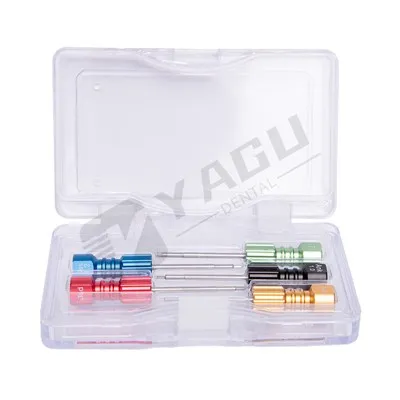
Are there any new materials for straight abutments?
In the dynamic field of dental implantology, the search for innovative materials for straight abutments is an ongoing quest. As a dedicated straight abutment supplier, we are at the forefront of this exploration, constantly evaluating and adopting new materials to enhance the performance and longevity of our products.
Traditional materials for straight abutments have included titanium and zirconia. Titanium has long been the gold standard due to its excellent biocompatibility, high strength, and corrosion resistance. It integrates well with the surrounding bone tissue, providing a stable foundation for dental restorations. Zirconia, on the other hand, offers aesthetic advantages with its tooth - like appearance and is also biocompatible. It is a popular choice for patients who desire a more natural - looking result.
However, the dental industry is evolving, and new materials are emerging. One of the promising materials is ceramic - based composites. These composites combine the strength of ceramics with other materials to create a more robust and versatile option. For example, some ceramic composites are engineered to have improved fracture resistance, which is a crucial factor in the long - term success of straight abutments. They can withstand the occlusal forces exerted during normal chewing and biting, reducing the risk of breakage.
Another area of research is the use of bioactive materials. Bioactive materials have the ability to interact with the surrounding biological environment in a positive way. They can promote bone growth and integration, which is essential for the stability of the dental implant. Some bioactive glasses are being investigated as potential materials for straight abutments. These glasses release ions that stimulate the activity of osteoblasts, the cells responsible for bone formation. This can lead to faster and more secure osseointegration, improving the overall prognosis of the dental implant.
Nanomaterials also hold great potential in the development of straight abutments. Nanomaterials have unique properties at the nanoscale, such as increased surface area and enhanced reactivity. For example, nanocomposites can be designed to have improved mechanical properties and better adhesion to dental restorations. Nanotextured surfaces on straight abutments can also influence the behavior of cells and bacteria. A nanotextured surface may promote the attachment of beneficial cells while inhibiting the growth of harmful bacteria, reducing the risk of peri - implantitis, a common complication in dental implantology.
As a straight abutment supplier, we understand the importance of staying ahead of the curve in terms of material innovation. We work closely with research institutions and dental professionals to test and evaluate these new materials. Our goal is to offer products that not only meet but exceed the expectations of our customers.
In addition to new materials, we also offer a wide range of abutment designs to meet the diverse needs of our clients. For instance, we have Multi Angled Abutment which provides flexibility in the orientation of the dental restoration. This is particularly useful in cases where the implant is placed at an angle or when there are anatomical limitations. Our Angled Multi Unit Abutments are designed for multiple - tooth restorations, allowing for a more efficient and stable connection between the implants and the prosthetic teeth. And our Multi Unit Abutment is suitable for complex dental cases where multiple implants need to be connected.
When considering new materials for straight abutments, it is important to balance the benefits of innovation with the need for proven clinical performance. We conduct rigorous in - vitro and in - vivo testing to ensure that any new material we introduce meets the highest standards of safety and efficacy. Our quality control processes are designed to detect and eliminate any potential issues before the products reach the market.
We are also committed to providing excellent customer service. Our team of experts is available to answer any questions you may have about our straight abutments, including those made from new materials. We can offer guidance on material selection based on your specific clinical needs, patient preferences, and budget.
If you are a dental professional looking for high - quality straight abutments or interested in exploring the latest materials in the field, we invite you to contact us for a procurement discussion. We believe that our products and expertise can contribute to the success of your dental implant procedures. Whether you are dealing with simple or complex cases, we have the right solutions for you.
In summary, the world of straight abutment materials is constantly evolving. New materials such as ceramic - based composites, bioactive materials, and nanomaterials offer exciting possibilities for improving the performance and aesthetics of dental implants. As a leading straight abutment supplier, we are dedicated to bringing these innovations to the market and providing our customers with the best products and services.


References
- Smith, J. D., & Johnson, A. B. (2020). Advances in Dental Implant Materials. Journal of Dental Research, 99(2), 123 - 135.
- Brown, C. E., et al. (2021). Bioactive Materials in Dental Implantology. International Journal of Oral and Maxillofacial Implants, 36(3), 456 - 468.
- Green, M. F., & White, R. S. (2019). Nanomaterials in Dental Implants: A Review. Dental Materials Journal, 38(4), 543 - 555.