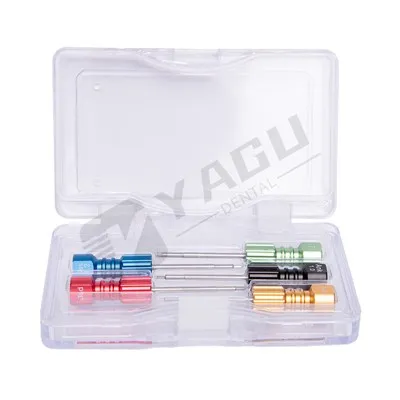
Hey there! As a supplier of Multi Angled Abutments, I've been getting a lot of questions lately about the fatigue resistance of these nifty dental components. So, I thought I'd sit down and share some insights on what fatigue resistance really means in the context of multi angled abutments.
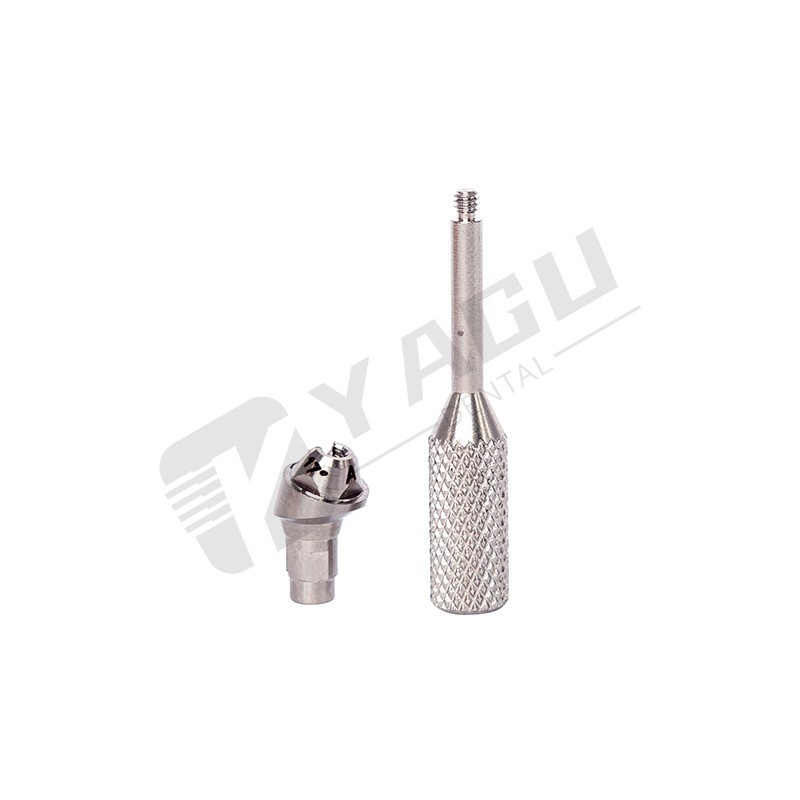
First off, let's break down what a multi angled abutment is. In simple terms, it's a dental part that connects the dental implant to the prosthetic tooth. What makes multi angled abutments special is their ability to be adjusted at different angles. This flexibility is super useful in cases where the natural tooth alignment or the position of the implant isn't straightforward. It allows dentists to create a more customized and functional restoration for their patients.
Now, onto fatigue resistance. Fatigue resistance refers to how well a material can withstand repeated loading and unloading without failing. In the world of multi angled abutments, this is crucial because they're constantly under stress. Every time a patient bites down, chews, or even just moves their jaw, the abutment experiences a certain amount of force. Over time, these repeated forces can cause wear and tear on the abutment, and if it doesn't have good fatigue resistance, it could lead to cracks, fractures, or even complete failure.
So, why is fatigue resistance so important for multi angled abutments? Well, for starters, it directly impacts the longevity of the dental restoration. A high - fatigue - resistant abutment is less likely to break or malfunction, which means the patient can enjoy their dental prosthesis for a longer period without having to worry about frequent replacements. This not only saves the patient time and money but also reduces the discomfort and inconvenience associated with multiple dental procedures.
Another reason is the quality of the patient's bite. If an abutment fails due to poor fatigue resistance, it can disrupt the normal occlusion (the way the upper and lower teeth fit together). This can lead to problems like uneven wear on other teeth, jaw pain, and even temporomandibular joint (TMJ) disorders. By using multi angled abutments with high fatigue resistance, we can help ensure that the patient's bite remains stable and functional over time.
When it comes to the factors that affect the fatigue resistance of multi angled abutments, there are a few key ones. The material used is probably the most significant. Different materials have different mechanical properties, and some are better at withstanding fatigue than others. For example, titanium is a popular choice for multi angled abutments because it's strong, lightweight, and has good biocompatibility. It also has relatively high fatigue resistance, which makes it suitable for long - term use in the oral cavity.
The design of the abutment also plays a role. A well - designed multi angled abutment will distribute the forces evenly across its surface, reducing the stress concentration in any one area. This can significantly improve its fatigue resistance. Additionally, the manufacturing process can impact the fatigue resistance. High - precision manufacturing techniques can ensure that the abutment has a smooth surface finish and consistent internal structure, which are both important for reducing the risk of fatigue failure.
As a supplier, I'm always on the lookout for ways to improve the fatigue resistance of our multi angled abutments. We work closely with our manufacturing partners to use the latest materials and technologies. For example, we're constantly researching and testing new alloys that might offer even better fatigue resistance than traditional titanium. We also invest in state - of - the - art manufacturing equipment to ensure that our abutments are made to the highest standards of quality and precision.
Now, if you're in the market for high - quality multi angled abutments with excellent fatigue resistance, you might be interested in some of the products we offer. Check out our Angled Abutment Straumann. It's a top - of - the - line product that combines the latest in design and material technology to provide outstanding fatigue resistance. Another great option is our Straumann Multi Unit Abutment. This multi - unit design offers even more flexibility and is built to last. And if you're looking for a more general angled abutment implant, our Angled Abutment Implant is a reliable choice that won't disappoint.

If you're a dentist, dental lab technician, or anyone involved in the dental industry and you're interested in learning more about our multi angled abutments or discussing a potential purchase, don't hesitate to reach out. We're always happy to have a chat, answer your questions, and provide you with more information about our products. We believe that by working together, we can help improve the quality of dental restorations and, ultimately, the lives of patients.
In conclusion, fatigue resistance is a critical aspect of multi angled abutments. It affects the longevity, functionality, and overall quality of dental restorations. As a supplier, we're committed to providing products that meet the highest standards of fatigue resistance. So, if you're in need of multi angled abutments, give us a thought. We're here to help you make the right choice for your patients.
References
- Dental Materials Science textbooks
- Journal articles on dental implant abutment fatigue resistance