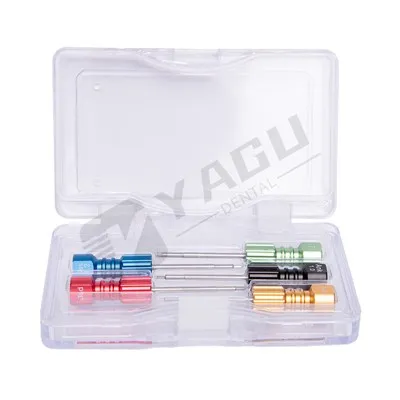
When it comes to the dental industry, the price of a Castable Implant Abutment is a topic of great interest for both dental professionals and patients. As a supplier of Castable Implant Abutments, I have had the opportunity to observe and analyze the various factors that influence the pricing of these essential dental components. In this blog post, I will delve into the key elements that contribute to the cost of a Castable Implant Abutment, providing insights that can help you make informed decisions when it comes to purchasing these products.


Material Quality
One of the most significant factors affecting the price of a Castable Implant Abutment is the quality of the materials used in its production. High - quality materials are essential for ensuring the durability, biocompatibility, and functionality of the abutment. Titanium, for example, is a popular choice due to its excellent strength - to - weight ratio, corrosion resistance, and biocompatibility with the human body. Titanium abutments are more expensive than those made from other materials because of the high cost of the raw material and the complex manufacturing processes required to shape and finish it.
Zirconia is another material commonly used in Castable Implant Abutments. It offers superior aesthetics, as it can closely mimic the natural color of teeth. Zirconia abutments are also highly resistant to wear and have excellent biocompatibility. However, the production of zirconia abutments involves advanced manufacturing techniques, such as computer - aided design and computer - aided manufacturing (CAD/CAM), which increase the overall cost.
Manufacturing Process
The manufacturing process of a Castable Implant Abutment is another crucial determinant of its price. Precision manufacturing is essential to ensure that the abutment fits perfectly with the dental implant and the restoration. Traditional casting methods, while effective, can be time - consuming and labor - intensive. They require skilled technicians to create the wax patterns, perform the casting, and finish the abutment. These labor costs are reflected in the final price of the product.
On the other hand, modern manufacturing technologies like CAD/CAM offer greater accuracy and efficiency. CAD/CAM systems use digital designs to create abutments with high precision, reducing the margin of error. However, the initial investment in CAD/CAM equipment is substantial, and the cost of maintaining and operating these systems is also high. As a result, Castable Implant Abutments produced using CAD/CAM technology tend to be more expensive.
Brand Reputation
Brand reputation plays a significant role in the pricing of Castable Implant Abutments. Well - established brands with a long history of producing high - quality dental products often command a premium price. These brands have invested heavily in research and development, quality control, and customer support. They are known for their reliability, innovation, and compliance with industry standards.
For example, a brand that has been in the market for decades and has a proven track record of success is likely to charge more for its Castable Implant Abutments compared to a relatively new or unknown brand. Dental professionals are often willing to pay more for products from reputable brands because they trust the quality and performance of these products, which can ultimately lead to better patient outcomes.
Design Complexity
The design complexity of a Castable Implant Abutment can also influence its price. Abutments with simple, standard designs are generally less expensive to produce than those with complex, custom - made designs. Custom - designed abutments are tailored to meet the specific needs of individual patients, taking into account factors such as the position of the implant, the shape of the surrounding teeth, and the patient's bite.
Creating custom - designed abutments requires additional time and expertise. Dental technicians need to take detailed impressions, use advanced imaging techniques, and work closely with the dental team to ensure that the abutment meets the patient's requirements. The increased labor and resources involved in the production of custom - designed abutments result in a higher price.
Regulatory Compliance
Compliance with regulatory requirements is a non - negotiable aspect of the dental industry. Castable Implant Abutments must meet strict quality and safety standards set by regulatory bodies such as the Food and Drug Administration (FDA) in the United States and the European Union's Medical Device Regulation (MDR).
Manufacturers need to invest in quality control measures, testing, and documentation to ensure that their products meet these standards. These costs are passed on to the consumer in the form of higher prices. A supplier that can provide products with proper regulatory approvals is likely to charge more, but it also offers the assurance of a safe and reliable product.
Market Demand and Supply
The basic economic principles of supply and demand also affect the price of Castable Implant Abutments. If the demand for these products is high and the supply is limited, the price is likely to increase. Conversely, if there is an oversupply of Castable Implant Abutments in the market, the price may decrease as suppliers compete for customers.
Factors such as population growth, an aging population, and an increasing awareness of dental health can drive up the demand for Castable Implant Abutments. On the other hand, new entrants in the market or technological advancements that increase production capacity can lead to an increase in supply. As a supplier, I closely monitor market trends to ensure that our pricing remains competitive while still reflecting the value of our products.
Associated Products and Services
In addition to the Castable Implant Abutment itself, the price may also be influenced by associated products and services. For example, some suppliers offer packages that include Dentium Multi Unit Scanbody, Casting Abutment, and Dentium Multi Unit Screw. These bundled offerings can provide added value to the customer, but they may also come at a higher price.
Moreover, suppliers that offer comprehensive after - sales support, such as technical assistance, product training, and warranty services, may charge more for their products. These services are important for ensuring the proper use and maintenance of the Castable Implant Abutments, which can ultimately lead to better long - term performance.
Conclusion
In conclusion, the price of a Castable Implant Abutment is influenced by a variety of factors, including material quality, manufacturing process, brand reputation, design complexity, regulatory compliance, market demand and supply, and associated products and services. As a supplier, I understand the importance of providing high - quality products at a competitive price. We strive to balance these factors to offer our customers the best value for their money.
If you are in the market for Castable Implant Abutments and are looking for a reliable supplier, I encourage you to reach out to us. We have a wide range of products to meet your needs, and our team of experts is ready to assist you with any questions or concerns you may have. Contact us today to start a discussion about your dental implant needs and explore how our products can contribute to the success of your dental practice.
References
- ADA (American Dental Association). (Year). Dental Materials and Devices Standards.
- International Journal of Oral and Maxillofacial Implants. (Various years). Research on Castable Implant Abutments.
- FDA (Food and Drug Administration). (Year). Regulations for Dental Implant Abutments.