As a supplier of Bone Chip Makers, I've encountered numerous inquiries from dental professionals regarding the noise level of these devices. Understanding the noise level is crucial as it can significantly impact the patient experience during dental procedures. In this blog, I'll delve into the factors that influence the noise level of a Bone Chip Maker, provide insights into typical noise ranges, and discuss the importance of noise management in a dental setting.
Factors Affecting the Noise Level of a Bone Chip Maker
The noise level of a Bone Chip Maker is influenced by several key factors, each of which plays a role in determining how loud the device will be during operation.
Motor Design
The motor is the heart of the Bone Chip Maker, and its design has a direct impact on noise production. High - quality motors with advanced engineering are often designed to operate more quietly. For example, motors with precision - balanced rotors and low - friction bearings tend to generate less vibration and noise. On the other hand, motors that are poorly designed or of lower quality may produce more noise due to uneven rotation and increased friction.
Cutting Mechanism
The cutting mechanism of the Bone Chip Maker also contributes to the noise level. Different types of cutting blades or burs can produce varying levels of noise. Blades with a sharp edge and proper tooth geometry are more efficient at cutting bone, which can result in less noise compared to dull or poorly designed blades. Additionally, the way the cutting mechanism engages with the bone, such as the speed and pressure applied, can affect the noise generated.
Air and Fluid Systems
Many Bone Chip Makers incorporate air and fluid systems to cool the cutting area and remove debris. These systems can generate noise, especially if there are issues with the airflow or fluid flow. For instance, a clogged air vent or a malfunctioning water pump can cause the system to make more noise than normal. Proper maintenance of these systems is essential to keep the noise level in check.
Typical Noise Ranges of Bone Chip Makers
The noise level of a Bone Chip Maker is typically measured in decibels (dB). In general, the noise level of a well - designed and properly maintained Bone Chip Maker can range from 60 dB to 80 dB.
A noise level of 60 dB is similar to the sound of normal conversation. At this level, the noise is relatively low and is unlikely to cause significant discomfort to the patient. On the other hand, a noise level approaching 80 dB is comparable to the sound of a busy street. While this level is still within an acceptable range for short - term exposure, it can be more noticeable and may cause some mild discomfort to the patient.
It's important to note that these are just general ranges, and the actual noise level can vary depending on the specific model of the Bone Chip Maker, its operating conditions, and the factors mentioned above.
Importance of Noise Management in a Dental Setting
Managing the noise level of a Bone Chip Maker is not just about providing a more comfortable experience for the patient; it also has implications for the overall efficiency and safety of the dental practice.
Patient Comfort
Dental procedures can be stressful for many patients, and excessive noise can add to their anxiety. A noisy Bone Chip Maker can make the patient feel more uncomfortable and may even cause them to be less cooperative during the procedure. By keeping the noise level low, dentists can create a more relaxing environment, which can lead to better patient compliance and a more successful outcome.
Staff Well - being
Dental staff are exposed to the noise of the Bone Chip Maker on a daily basis. Prolonged exposure to high - level noise can lead to hearing damage and other health issues. By ensuring that the Bone Chip Maker operates at a reasonable noise level, dental practices can protect the health and well - being of their staff.
Equipment Longevity
Excessive noise can sometimes be an indication of a problem with the Bone Chip Maker. For example, a noisy motor may be a sign of worn - out bearings or other mechanical issues. By monitoring and managing the noise level, dental practices can detect potential problems early and take appropriate measures to maintain the equipment, which can extend its lifespan and reduce the need for costly repairs.
Our Bone Chip Maker: A Quiet Solution
As a supplier, we understand the importance of noise management in a dental setting. That's why our Bone Chip Maker is designed with noise reduction in mind.
Our Bone Chip Maker features a high - quality motor with advanced noise - reduction technology. The motor is precision - engineered to operate smoothly and quietly, minimizing vibration and noise. The cutting mechanism is also carefully designed to ensure efficient and quiet cutting. Our blades are made from high - quality materials and have a sharp edge and optimal tooth geometry, which allows them to cut through bone with minimal noise.
In addition, our Bone Chip Maker's air and fluid systems are designed to operate quietly and efficiently. We use advanced airflow and fluid flow management techniques to ensure that there are no blockages or malfunctions that could cause excessive noise.
Complementary Dental Tools
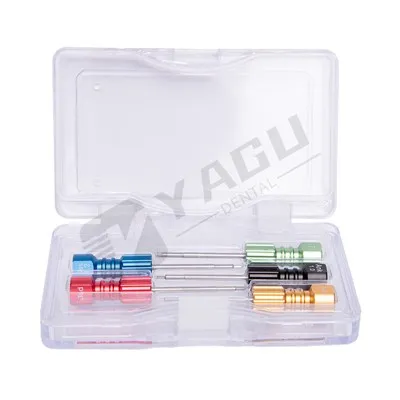
In addition to our Bone Chip Maker, we also offer a range of complementary dental tools, such as Dental Implant Screwdriver and Implant Screw Drivers. These tools are also designed with the same attention to quality and performance, and they can work seamlessly with our Bone Chip Maker to provide a comprehensive dental solution.


Contact Us for Purchase and Consultation
If you're interested in learning more about our Bone Chip Maker or our other dental tools, we'd love to hear from you. Whether you have questions about the noise level, features, or pricing, our team of experts is ready to assist you. We can provide you with detailed information, arrange a demonstration, and help you make an informed decision.
Contact us today to start a conversation about how our Bone Chip Maker and other dental tools can meet your needs. We look forward to working with you to enhance your dental practice.
References
- American Dental Association. (20XX). Guidelines for Noise Management in Dental Practices.
- International Organization for Standardization. (20XX). ISO Standards for Dental Equipment Noise Levels.
- Journal of Dental Research. (20XX). Impact of Noise on Patient and Staff in Dental Settings.