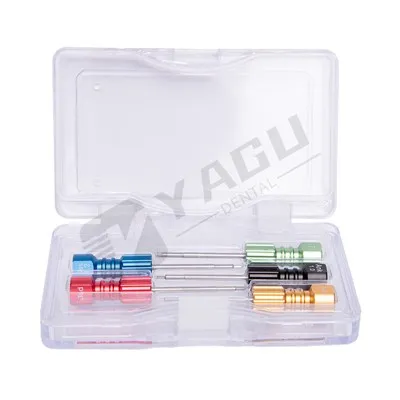
As a supplier of Straight Abutments, I understand the importance of proper transportation to ensure the quality and integrity of these crucial dental components reach our customers in perfect condition. In this blog, I will delve into the transportation requirements for straight abutments, covering aspects such as packaging, handling, shipping methods, and regulatory compliance.
Packaging Requirements
The first step in ensuring the safe transportation of straight abutments is proper packaging. Straight abutments are delicate medical devices that require protection from physical damage, contamination, and environmental factors during transit. Here are the key packaging requirements:


Inner Packaging
- Material Selection: The inner packaging should be made of high - quality, non - reactive materials that can protect the abutments from scratches, impacts, and corrosion. Common materials include medical - grade plastic trays or foam inserts. These materials should be clean, sterile, and have a smooth surface to prevent any abrasion on the abutment surface.
- Custom - Fit Design: Each straight abutment should have a custom - fit cavity in the inner packaging. This helps to keep the abutment in place and prevents it from moving around during transportation, reducing the risk of damage.
Outer Packaging
- Robust Construction: The outer packaging should be strong enough to withstand the rigors of transportation. Cardboard boxes with appropriate thickness and reinforcement are commonly used. The boxes should be able to protect the inner packaging from external impacts, such as being dropped or crushed during handling.
- Labeling: Clear and accurate labeling is essential on the outer packaging. The label should include information such as the product name (e.g., Straight Abutment), quantity, batch number, and any special handling instructions. This information helps the shipping and receiving personnel to handle the package correctly.
Handling Requirements
Proper handling of straight abutments during transportation is crucial to maintain their quality. Here are the key handling requirements:
Loading and Unloading
- Gentle Handling: When loading and unloading the packages containing straight abutments, workers should be trained to handle them gently. Rough handling can cause damage to the abutments, even if the packaging appears intact.
- Avoid Stacking Excessively: Packages should not be stacked too high to prevent the bottom packages from being crushed. If stacking is necessary, appropriate support and spacing should be provided to ensure the stability of the stack.
Storage during Transit
- Temperature and Humidity Control: Straight abutments are sensitive to temperature and humidity. During transit, they should be stored in an environment with controlled temperature and humidity. For example, if the abutments are being transported by air, they should be stored in the cargo hold with appropriate climate control settings.
- Avoid Exposure to Contaminants: The packages should be kept away from sources of contamination, such as chemicals, dust, and moisture. This may require storing the packages in a clean and sealed area during transit.
Shipping Methods
The choice of shipping method depends on various factors, such as the destination, delivery time requirements, and cost. Here are some common shipping methods for straight abutments:
Air Freight
- Speed and Reliability: Air freight is often the preferred method for shipping straight abutments, especially for international orders. It offers fast delivery times, which is important for maintaining the freshness and quality of the products. Airlines also have strict safety and security measures in place, which helps to ensure the safe transportation of the abutments.
- Temperature - Controlled Options: Many airlines offer temperature - controlled cargo holds, which can be used to transport straight abutments under the required environmental conditions.
Ground Freight
- Cost - Effective for Local and Regional Deliveries: Ground freight, such as trucks, can be a cost - effective option for local and regional deliveries. However, it may take longer compared to air freight.
- Route Planning: When using ground freight, careful route planning is necessary to avoid rough roads or areas with high traffic congestion, which can increase the risk of damage to the packages.
Regulatory Compliance
Transporting straight abutments is subject to various regulations, both at the national and international levels. Here are some of the key regulatory requirements:
Medical Device Regulations
- Documentation: Suppliers must ensure that all necessary documentation, such as product certificates, quality control reports, and import/export licenses, are in order. These documents are required for customs clearance and to prove the compliance of the straight abutments with relevant medical device standards.
- Traceability: There should be a system in place to ensure the traceability of the straight abutments throughout the transportation process. This includes recording information such as the origin, destination, and handling history of each package.
International Shipping Regulations
- Customs Requirements: Different countries have different customs requirements for importing medical devices. Suppliers need to be aware of these requirements and ensure that the packages are properly declared and accompanied by the necessary documentation.
- Dangerous Goods Regulations: Although straight abutments are not typically considered dangerous goods, there may be some associated materials (such as certain types of packaging materials) that could be subject to dangerous goods regulations. Suppliers should ensure compliance with these regulations to avoid any delays or penalties during transportation.
Conclusion
In conclusion, the transportation of straight abutments requires careful attention to packaging, handling, shipping methods, and regulatory compliance. As a Straight Abutment supplier, we are committed to ensuring that our products are transported safely and securely to our customers. By following these transportation requirements, we can minimize the risk of damage and ensure that the straight abutments reach our customers in the best possible condition.
If you are interested in purchasing our straight abutments or have any questions about our products and transportation services, please feel free to contact us for further discussion and procurement negotiation. We look forward to serving you.
References
- ISO 13485:2016, Medical devices – Quality management systems – Requirements for regulatory purposes.
- International Air Transport Association (IATA) Dangerous Goods Regulations.
- World Customs Organization (WCO) guidelines for the import and export of medical devices.