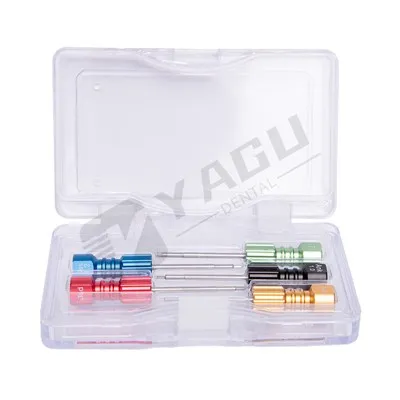
As a supplier of Multi Unit Abutments, I've spent a significant amount of time thinking about the environmental impacts associated with their production. In this blog post, I'll delve into the various aspects of Multi Unit Abutment production and how it affects our environment.
Raw Material Extraction
The first step in Multi Unit Abutment production is the extraction of raw materials. Most Multi Unit Abutments are made from high - quality metals such as titanium. Titanium is abundant in the Earth's crust, but extracting it is an energy - intensive process.
Titanium ore is typically mined from open - pit mines. This type of mining can have severe environmental consequences. It often leads to deforestation as large areas of land are cleared to access the ore. The removal of trees disrupts local ecosystems, displaces wildlife, and reduces the natural carbon sink. For example, in some regions where titanium mines are located, native species are at risk of extinction due to habitat loss.
Moreover, the mining process generates a large amount of waste rock and tailings. These waste materials can contaminate soil and water sources. Heavy metals and other pollutants in the tailings can leach into groundwater, making it unfit for human consumption and harming aquatic life. Chemicals used in the extraction process, such as sulfuric acid, can also have a negative impact on the environment if not properly managed.
Manufacturing Processes
Once the raw materials are extracted, they go through a series of manufacturing processes to create Multi Unit Abutments. These processes include melting, forging, machining, and surface treatment.
Melting the raw materials requires a significant amount of energy, usually in the form of electricity. Most electricity is generated from fossil fuels, which release greenhouse gases such as carbon dioxide into the atmosphere. The carbon footprint of the melting process can be substantial, contributing to global warming.
Forging and machining operations also consume energy and generate waste. Machining produces metal chips and shavings, which, if not recycled, end up in landfills. Additionally, the cutting fluids used in machining can be harmful to the environment. These fluids often contain chemicals that are toxic to aquatic organisms and can contaminate soil if not disposed of properly.
Surface treatment is another important step in Multi Unit Abutment production. This process is used to improve the biocompatibility and corrosion resistance of the abutments. However, many surface treatment methods involve the use of chemicals such as acids and solvents. These chemicals can be hazardous to the environment and human health. If not managed correctly, they can be released into the air, water, or soil.
Packaging and Transportation
After the Multi Unit Abutments are manufactured, they need to be packaged and transported to customers. Packaging materials play a crucial role in protecting the products during transit, but they also contribute to environmental pollution. Most packaging materials are made from plastic, cardboard, or foam, which are non - biodegradable or have a high carbon footprint during production.
Plastic packaging, in particular, is a major environmental concern. It takes hundreds of years to decompose, and much of it ends up in landfills or the ocean. The production of plastic also requires large amounts of fossil fuels, further contributing to greenhouse gas emissions.
Transportation is another area where Multi Unit Abutment production has an environmental impact. Whether the products are shipped by air, sea, or land, they all consume fuel and emit pollutants. Air freight, for example, has a very high carbon footprint due to the large amount of fuel burned per unit of cargo transported.
Mitigating the Environmental Impacts
As a responsible supplier, I'm committed to reducing the environmental impacts of Multi Unit Abutment production. Here are some of the strategies we are implementing:
Sustainable Raw Material Sourcing
We are working with suppliers who use sustainable mining practices. This includes using technologies that reduce energy consumption during extraction and minimize waste generation. For example, some mines are using advanced separation techniques to extract titanium more efficiently, reducing the amount of waste rock produced.
We are also exploring the use of recycled titanium in our production. Recycling titanium reduces the need for new raw material extraction, saving energy and reducing environmental damage. Recycled titanium has the same high - quality properties as virgin titanium, making it a viable alternative for Multi Unit Abutment production.
Energy - Efficient Manufacturing
We are investing in energy - efficient equipment and technologies in our manufacturing facilities. For example, we are using electric furnaces with high - efficiency insulation to reduce energy consumption during the melting process. We are also implementing energy management systems to monitor and optimize energy use in our factories.
In addition, we are recycling the metal chips and shavings generated during machining. By reusing these materials, we not only reduce waste but also save on raw material costs.
Eco - Friendly Packaging
We are gradually transitioning to more eco - friendly packaging materials. For example, we are using biodegradable plastics and recycled cardboard for our packaging. These materials have a lower environmental impact compared to traditional packaging materials. We are also optimizing the packaging design to reduce the amount of material used while still providing adequate protection for the products.
Green Transportation
We are working with logistics partners to reduce the carbon footprint of transportation. This includes using more fuel - efficient vehicles, optimizing delivery routes to reduce mileage, and exploring alternative transportation modes such as rail or sea freight, which generally have a lower carbon footprint compared to air freight.
The Importance of Customer Awareness
While we are taking steps to reduce the environmental impacts of Multi Unit Abutment production, customer awareness also plays a crucial role. By choosing products from suppliers who are committed to sustainability, customers can drive the industry towards more environmentally friendly practices.
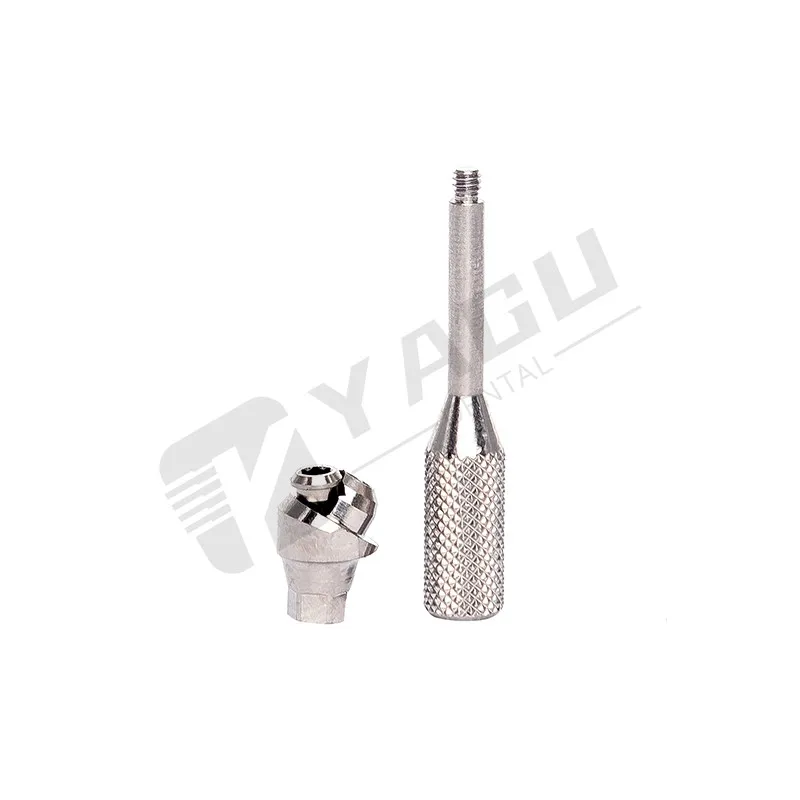
When customers purchase [Angled Abutment Straumann]( /implant - abutment/angled - abutment - straumann.html), [Nobel Multi Unit Abutment]( /implant - abutment/nobel - multi - unit - abutment.html), or [Angled Multi Unit Abutments]( /implant - abutment/angled - multi - unit - abutments.html) from us, they are supporting a company that is actively working to minimize its environmental footprint.
Conclusion
The production of Multi Unit Abutments has several environmental impacts, from raw material extraction to packaging and transportation. However, by implementing sustainable practices in sourcing, manufacturing, packaging, and transportation, we can significantly reduce these impacts.
As a supplier, I believe it is our responsibility to balance the need for high - quality products with environmental protection. I encourage all our customers to join us in this effort. If you are interested in learning more about our sustainable Multi Unit Abutments or would like to discuss a potential purchase, please feel free to reach out for a procurement negotiation.

References
- Smith, J. (2018). Environmental Impacts of Metal Mining. Journal of Environmental Science and Technology, 25(3), 123 - 135.
- Johnson, A. (2019). Energy - Efficient Manufacturing Processes. Manufacturing Review, 32(2), 45 - 57.
- Brown, C. (2020). Sustainable Packaging Solutions. Packaging Journal, 40(1), 78 - 89.