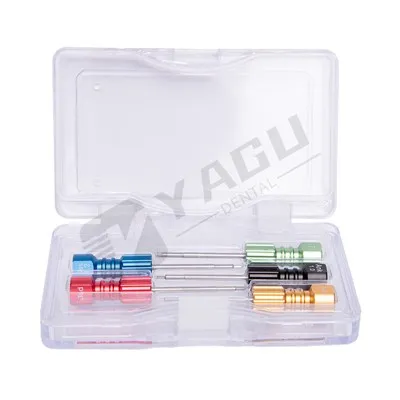
In the field of dental implantology, casting abutments play a crucial role in restoring patients' oral functions and aesthetics. However, the cost associated with using casting abutments can be a significant concern for both dental practitioners and patients. As a casting abutment supplier, I understand the importance of finding effective ways to reduce these costs without compromising on quality. In this blog post, I will share some practical strategies that can help in achieving this goal.
1. Material Selection
One of the primary factors influencing the cost of casting abutments is the choice of materials. Different materials have varying costs, and selecting the right one can make a substantial difference in overall expenses.
- Base Metals: Base metals such as titanium and its alloys are commonly used in casting abutments. Titanium is known for its excellent biocompatibility, corrosion resistance, and strength. Compared to precious metals, titanium is more cost - effective. It is widely available and has a relatively stable price in the market. For example, titanium alloy casting abutments can provide a good balance between cost and performance, making them a popular choice for many dental applications.
- Alternative Materials: Some newer alternative materials are emerging in the market. These materials may offer similar properties to traditional ones at a lower cost. However, it is essential to ensure that these materials meet the necessary standards and have been thoroughly tested for safety and effectiveness.
2. Bulk Purchasing
Buying casting abutments in bulk can be an effective way to reduce costs. When you purchase a larger quantity of products, suppliers often offer volume discounts. This can significantly lower the per - unit cost of the casting abutments.
- Negotiating with Suppliers: As a supplier, I am always open to discussing bulk purchase options with my customers. By establishing long - term partnerships and placing larger orders, dental practices can secure better pricing. It is important to have an accurate estimate of your future needs to avoid overstocking, which can also lead to additional costs.
- Group Purchasing Organizations (GPOs): Dental practices can also consider joining GPOs. These organizations pool the purchasing power of multiple members to negotiate better deals with suppliers. By being part of a GPO, dental practices can access discounted prices on casting abutments and other dental supplies.
3. Optimize the Manufacturing Process
The manufacturing process of casting abutments can have a significant impact on costs. By optimizing this process, suppliers can reduce production costs, which can then be passed on to the customers.
- Advanced Manufacturing Technologies: Investing in advanced manufacturing technologies such as computer - aided design (CAD) and computer - aided manufacturing (CAM) can improve the efficiency of the production process. These technologies allow for more precise and rapid production, reducing waste and labor costs. For example, CAD/CAM systems can create custom - fit casting abutments with high accuracy, minimizing the need for manual adjustments.
- Quality Control: Implementing strict quality control measures during the manufacturing process can also help reduce costs. By ensuring that each casting abutment meets the required standards, the number of defective products is minimized. This reduces the cost associated with rework and replacement.
4. Consider Compatible Products
In some cases, using compatible products can be a cost - effective alternative to brand - name casting abutments. Compatible products are designed to work with existing implant systems and offer similar functionality.
- Third - Party Manufacturers: There are many third - party manufacturers that produce compatible casting abutments. These products are often priced lower than the original brand - name products. However, it is crucial to ensure that these compatible products are of high quality and have been tested for compatibility with the specific implant systems. For example, you can explore products like the Dentium Multi Unit Impression Coping, Dentium Peek Scanbody, and Osstem Temporary Abutment which are reliable options in the market.
5. Minimize Waste
Reducing waste in the dental practice can also contribute to cost savings when using casting abutments.
- Proper Storage and Handling: Storing casting abutments properly can prevent damage and ensure their longevity. Dental practices should follow the recommended storage conditions provided by the supplier. Additionally, proper handling during the installation process can minimize the risk of damage, reducing the need for replacement.
- Recycling and Reusing: In some cases, certain components of casting abutments can be recycled or reused. For example, some parts may be refurbished and used again in other procedures, which can help reduce the overall cost of using these products.
6. Training and Education
Proper training and education of dental staff can also lead to cost savings when using casting abutments.


- Installation Techniques: Well - trained dental staff can install casting abutments more efficiently and accurately. This reduces the time spent on each procedure and minimizes the risk of complications, which can be costly to resolve. Regular training sessions can keep the staff updated on the latest installation techniques and best practices.
- Product Knowledge: Having in - depth knowledge of casting abutments can help dental staff make more informed decisions. They can select the most appropriate product for each patient's needs, avoiding the use of more expensive options when a less costly one would suffice.
7. Evaluate Supplier Relationships
Building strong relationships with reliable suppliers is essential for reducing the cost of using casting abutments.
- Supplier Reputation: Choose a supplier with a good reputation for quality and reliability. A reputable supplier is more likely to offer competitive prices and excellent customer service. They may also be more willing to work with you to find cost - effective solutions.
- Supplier Support: Look for a supplier that provides comprehensive support, including technical assistance and after - sales service. This can help resolve any issues quickly and efficiently, reducing the overall cost of using their products.
Conclusion
Reducing the cost of using casting abutments is a multi - faceted approach that involves material selection, bulk purchasing, process optimization, and more. By implementing these strategies, dental practitioners can provide high - quality dental implant restorations at a lower cost to their patients. As a casting abutment supplier, I am committed to helping my customers find the most cost - effective solutions. If you are interested in learning more about our casting abutment products or discussing how we can help you reduce your costs, please feel free to contact me for further purchasing and negotiation discussions.
References
- Dental Implantology: Principles and Practice, by [Author's Name], [Publisher], [Year]
- Journal of Dental Materials and Technology, various issues related to casting abutment materials and manufacturing
- Industry reports on dental implant supplies and cost - saving strategies