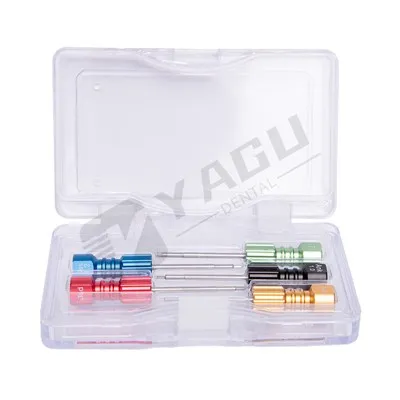
As a supplier of Implant Screw Drivers, I understand the critical role these tools play in dental implant procedures. Proper maintenance of implant screw drivers is not only essential for their longevity but also for ensuring the safety and success of dental implant surgeries. In this blog post, I will share some valuable insights on how to maintain implant screw drivers effectively.
Understanding the Importance of Maintenance
Implant screw drivers are precision instruments that are used to tighten and loosen screws during dental implant placement. They are designed to provide a secure fit and accurate torque application, which is crucial for the stability and functionality of dental implants. Over time, however, these tools can become worn, damaged, or contaminated, which can affect their performance and compromise patient safety.
Regular maintenance of implant screw drivers helps to prevent these issues by keeping the tools clean, lubricated, and in good working condition. It also extends the lifespan of the tools, reducing the need for frequent replacements and saving you money in the long run. Additionally, proper maintenance ensures that the tools meet the highest standards of quality and safety, which is essential for maintaining a good reputation in the dental industry.
Cleaning Implant Screw Drivers
Cleaning is the first and most important step in maintaining implant screw drivers. After each use, the tools should be thoroughly cleaned to remove any debris, blood, or other contaminants. This can be done using a mild detergent and warm water, or a specialized instrument cleaner.
Here are the steps to follow for cleaning implant screw drivers:
- Pre-cleaning: Rinse the tools under running water to remove any large particles or debris.
- Soaking: Immerse the tools in a cleaning solution for the recommended amount of time. Make sure the solution covers the entire surface of the tools.
- Brushing: Use a soft-bristled brush to gently scrub the tools, paying special attention to the tips and crevices.
- Rinsing: Rinse the tools thoroughly under running water to remove any remaining cleaning solution.
- Drying: Dry the tools completely using a clean, lint-free cloth or a drying cabinet.
It is important to note that implant screw drivers should never be cleaned in an ultrasonic cleaner, as this can damage the delicate components of the tools. Additionally, the tools should be handled with care during the cleaning process to avoid any scratches or other damage.
Lubricating Implant Screw Drivers
Lubrication is another important aspect of maintaining implant screw drivers. Lubricating the tools helps to reduce friction, prevent wear and tear, and ensure smooth operation. It also helps to protect the tools from corrosion and rust.
Here are the steps to follow for lubricating implant screw drivers:
- Selecting the right lubricant: Choose a lubricant that is specifically designed for dental instruments. Avoid using oil-based lubricants, as these can leave a residue and attract dirt and debris.
- Applying the lubricant: Apply a small amount of lubricant to the tips and moving parts of the tools. Use a clean, lint-free cloth to spread the lubricant evenly.
- Wiping off excess lubricant: Use a clean, lint-free cloth to wipe off any excess lubricant. Make sure the tools are dry before storing them.
It is recommended to lubricate implant screw drivers after each cleaning or at least once a week, depending on the frequency of use.
Sterilizing Implant Screw Drivers
Sterilization is the final step in maintaining implant screw drivers. Sterilizing the tools helps to eliminate any remaining microorganisms and ensure that they are safe for use in dental implant procedures.
Here are the steps to follow for sterilizing implant screw drivers:
- Selecting the right sterilization method: Choose a sterilization method that is appropriate for the type of implant screw drivers you are using. Common sterilization methods include steam sterilization, dry heat sterilization, and chemical sterilization.
- Preparing the tools for sterilization: Make sure the tools are clean and dry before sterilizing them. Remove any detachable parts, such as handles or tips, and place them in a sterilization container.
- Sterilizing the tools: Follow the manufacturer's instructions for the sterilization method you are using. Make sure the tools are exposed to the appropriate temperature, pressure, and time for effective sterilization.
- Cooling and storing the tools: After sterilization, allow the tools to cool completely before handling them. Store the tools in a clean, dry, and protected environment to prevent contamination.
It is important to note that implant screw drivers should be sterilized after each use to ensure the highest level of patient safety.
Inspecting Implant Screw Drivers
Regular inspection of implant screw drivers is essential for identifying any signs of wear, damage, or malfunction. Inspecting the tools helps to prevent potential problems and ensure that they are in good working condition.
Here are some things to look for when inspecting implant screw drivers:
- Wear and tear: Check the tips and blades of the tools for any signs of wear or damage. Replace any worn or damaged parts immediately.
- Loose or missing parts: Check the handles, tips, and other components of the tools for any loose or missing parts. Tighten or replace any loose parts as needed.
- Malfunction: Test the tools to make sure they are functioning properly. Check the torque settings, rotation, and other features of the tools to ensure they are accurate and reliable.
- Corrosion and rust: Check the tools for any signs of corrosion or rust. If you notice any corrosion or rust, clean and lubricate the tools immediately to prevent further damage.
It is recommended to inspect implant screw drivers before and after each use, as well as on a regular basis to ensure their continued performance and safety.
Storing Implant Screw Drivers
Proper storage of implant screw drivers is essential for maintaining their quality and performance. Storing the tools in a clean, dry, and protected environment helps to prevent damage, contamination, and corrosion.
Here are some tips for storing implant screw drivers:


- Use a dedicated storage case: Store the tools in a dedicated storage case or container to protect them from damage and contamination. Make sure the case is clean, dry, and well-ventilated.
- Separate the tools: Store the tools separately to prevent them from scratching or damaging each other. Use dividers or compartments in the storage case to keep the tools organized.
- Avoid exposure to moisture and humidity: Store the tools in a dry environment to prevent corrosion and rust. Avoid storing the tools in areas with high humidity, such as bathrooms or basements.
- Protect the tips: Use tip protectors or caps to protect the tips of the tools from damage. This helps to maintain the accuracy and performance of the tools.
By following these tips, you can ensure that your implant screw drivers are stored properly and remain in good working condition for a long time.
Conclusion
Maintaining implant screw drivers is essential for ensuring their longevity, performance, and safety. By following the tips and guidelines outlined in this blog post, you can keep your implant screw drivers clean, lubricated, sterilized, and in good working condition. Remember to always follow the manufacturer's instructions for cleaning, lubricating, sterilizing, and maintaining your implant screw drivers.
If you are in the market for high-quality implant screw drivers, look no further than our Implant Screw Drivers and Dental Implant Screwdriver. We also offer a range of other dental implant tools, including the Bone Chip Maker. Our products are designed to meet the highest standards of quality and performance, and we are committed to providing our customers with the best possible service and support.
If you have any questions or would like to learn more about our products, please do not hesitate to contact us. We look forward to working with you to meet your dental implant needs.
References
- Dental Instrument Maintenance Guide. (n.d.). Retrieved from [Insert reference source here]
- Manufacturer's Instructions for Implant Screw Drivers. (n.d.). Retrieved from [Insert reference source here]
- Dental Implant Handbook. (n.d.). Retrieved from [Insert reference source here]