The replacement frequency of implant parts is a crucial concern for both dental professionals and patients. As a leading supplier of implant parts, I've witnessed firsthand the impact of proper replacement intervals on the long - term success of dental implant treatments. In this blog, I'll delve into the factors that influence how often implant parts should be replaced and provide some general guidelines based on current scientific knowledge.
Factors Affecting the Replacement Frequency of Implant Parts
1. Material and Design
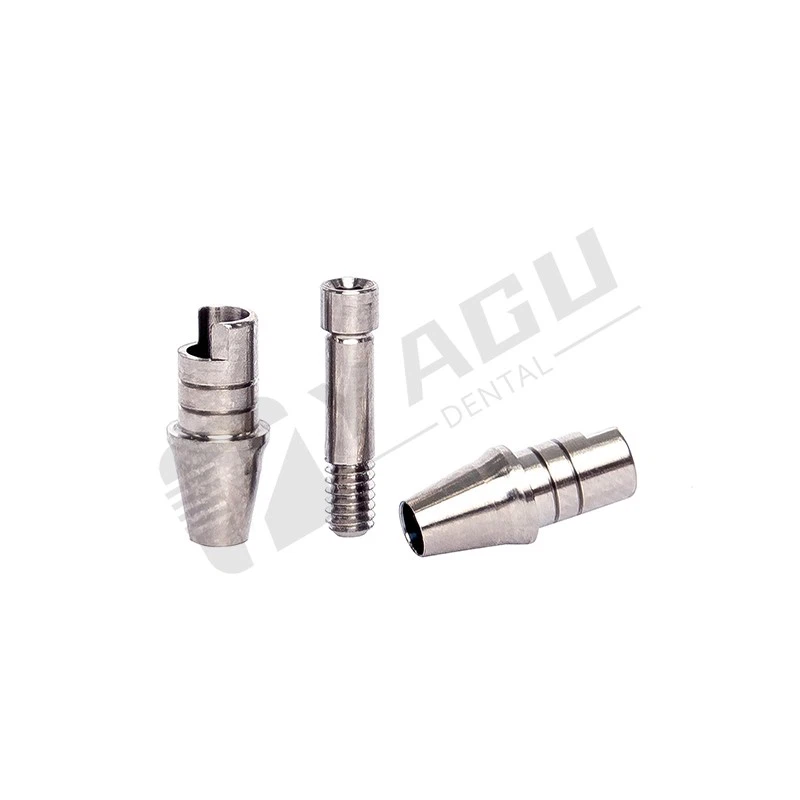
The materials used in implant parts play a significant role in determining their lifespan. Titanium is a commonly used material due to its excellent biocompatibility and strength. For example, Tibase is a titanium - based implant part known for its durability. However, even high - quality materials can experience wear and tear over time.
The design of the implant part also matters. Some designs may be more prone to stress concentration, which can lead to premature failure. For instance, complex geometries may make it more difficult to clean the implant part, increasing the risk of bacterial accumulation and subsequent damage.
2. Patient's Oral Hygiene
Good oral hygiene is essential for the longevity of implant parts. Patients who maintain a strict oral hygiene routine, including regular brushing, flossing, and using mouthwash, are less likely to experience problems with their implant parts. Poor oral hygiene can lead to the formation of plaque and tartar around the implant, which can cause inflammation and bone loss. This, in turn, can affect the stability of the implant and may require earlier replacement of the implant parts.
3. Bite Force and Occlusion
The amount of force exerted on the implant during biting and chewing can have a significant impact on its lifespan. Patients with a strong bite force or abnormal occlusion (misalignment of the teeth) may put more stress on the implant parts. This can lead to mechanical failure, such as screw loosening or fracture. In such cases, the implant parts may need to be replaced more frequently.
4. System Compatibility
Using implant parts that are not compatible with the implant system can lead to problems. For example, Osstem Lab Analog is designed to be used with specific implant systems. Using an incompatible part can cause improper fit, which can lead to increased wear and tear and a higher risk of failure. It's crucial to ensure that all implant parts are from the same manufacturer and are designed to work together.
General Guidelines for Replacement
1. Abutments
Abutments are the components that connect the implant to the dental restoration. They are often exposed to the oral environment and can be subject to wear and tear. In general, abutments may need to be replaced every 5 - 10 years. However, this can vary depending on the factors mentioned above. For example, if a patient has a strong bite force or poor oral hygiene, the abutment may need to be replaced earlier.
2. Screws
Screws are used to secure the different components of the implant system together. They can loosen over time due to the forces exerted during biting and chewing. It's recommended to check the screws regularly, usually during routine dental check - ups. If a screw is loose, it should be tightened or replaced immediately. In some cases, screws may need to be replaced every 3 - 5 years, especially in patients with high bite forces.
3. Base Components
Base components, such as Megagen Ti Base, are an integral part of the implant system. They provide support and stability for the abutment and the dental restoration. These components are generally more durable than abutments and screws. However, they may still need to be replaced every 10 - 15 years, depending on the patient's individual circumstances.
Monitoring and Maintenance
Regular monitoring and maintenance are essential for determining when implant parts need to be replaced. Dental professionals should conduct thorough examinations of the implant and the surrounding tissues during routine check - ups. This includes checking for signs of inflammation, bone loss, screw loosening, and wear and tear of the implant parts.
Imaging techniques, such as X - rays and CBCT scans, can also be used to assess the condition of the implant and the bone. These scans can detect early signs of problems, such as bone resorption or implant mobility, which may indicate the need for replacement of the implant parts.
The Role of the Supplier
As an implant parts supplier, I understand the importance of providing high - quality products and accurate information. We work closely with dental professionals to ensure that they have access to the latest research and guidelines on implant part replacement. Our team of experts is available to answer any questions and provide support in selecting the right implant parts for each patient's needs.
We also offer a range of services, such as product training and technical support, to help dental professionals optimize the use of our implant parts. By providing reliable products and excellent customer service, we aim to contribute to the long - term success of dental implant treatments.
Conclusion
Determining how often implant parts should be replaced is a complex process that depends on multiple factors. While general guidelines can be provided, it's essential to consider each patient's individual circumstances, including their oral hygiene, bite force, and the condition of the implant and the surrounding tissues.

Regular monitoring and maintenance by dental professionals are crucial for ensuring the longevity of the implant parts. As a supplier, we are committed to supporting dental professionals in providing the best possible care for their patients.
If you are a dental professional interested in learning more about our implant parts or have questions about replacement intervals, I encourage you to reach out to us for a detailed discussion. We are here to help you make informed decisions and provide the highest - quality implant parts for your patients.
References
- Albrektsson, T., & Zarb, G. A. (1989). The long - term efficacy of currently used dental implants: A review and proposed criteria of success. International Journal of Oral & Maxillofacial Implants, 4(1), 11 - 25.
- Cochran, D. L. (2001). Implant success, survival, and failure: The International Congress of Oral Implantologists (ICOI) Pisa Consensus Conference. Implant Dentistry, 10(1), 1 - 5.
- Misch, C. E. (2010). Contemporary implant dentistry. St. Louis, MO: Mosby.