Hey there! As a supplier of implant parts, I often get asked about how long it takes to recover after implant part installation. It's a super important question, and the answer can vary quite a bit depending on several factors. Let's dive right in and break it down.
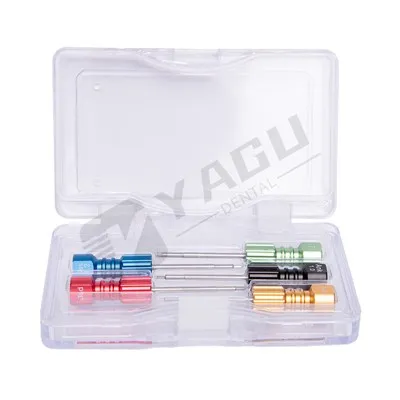
First off, what are we talking about when we say "implant parts"? Well, we've got a bunch of different ones. For example, the Dentium Multi Unit Castable Abutment is a key component. It's used to connect the implant in the jawbone to the artificial tooth or crown. Then there's the Dentium Lab Model Analog, which is essential for creating an accurate model of the patient's mouth during the dental restoration process. And don't forget the Dentium Titanium Scanbody, which helps in getting detailed digital images of the implant and surrounding area.
Now, let's get to the recovery time. The initial recovery period after implant part installation usually lasts about a week to ten days. Right after the procedure, patients are likely to experience some pain, swelling, and maybe a bit of bleeding. This is totally normal, and the dentist will usually prescribe painkillers and anti - inflammatory drugs to help manage these symptoms.
In the first 24 hours, patients should take it easy. They're advised to avoid strenuous physical activity, as this can increase blood flow to the area and cause more swelling and bleeding. Ice packs can be applied to the outside of the face near the implant site to reduce swelling. And it's important to follow a soft - food diet during this time. Things like yogurt, mashed potatoes, and soup are great options. You don't want to put too much pressure on the implant area while it's still healing.
After the first day or two, the pain and swelling should start to subside. But patients still need to be careful when brushing their teeth. They should avoid brushing directly over the implant site for a few days to prevent disturbing the healing process. Instead, they can rinse their mouth gently with a saltwater solution several times a day. This helps keep the area clean and reduces the risk of infection.
By the end of the first week, most of the initial discomfort should be gone. However, that doesn't mean the implant is fully healed. The bone around the implant needs time to fuse with it, a process called osseointegration. This is a crucial step because it ensures the long - term stability of the implant.
Osseointegration can take anywhere from three to six months. During this time, patients need to be patient and follow their dentist's instructions carefully. Regular check - ups are essential to monitor the progress of osseointegration. The dentist will use X - rays to see how well the bone is bonding with the implant.
There are several factors that can affect the recovery time. One of the biggest factors is the patient's overall health. People with good general health, no underlying medical conditions, and a strong immune system tend to recover faster. For example, patients who are in good shape and don't smoke usually have a smoother recovery process. Smoking is really bad for implant healing because it reduces blood flow to the gums and can slow down the osseointegration process.
The location of the implant in the mouth also matters. Implants placed in the lower jaw generally take a bit longer to heal than those in the upper jaw. This is because the lower jaw has a denser bone structure, and it takes more time for the bone to remodel and fuse with the implant.
The complexity of the implant procedure can also impact recovery time. If the dentist had to do additional procedures like bone grafting, the recovery period will be longer. Bone grafting is done when there isn't enough bone in the area to support the implant. The grafted bone needs to integrate with the existing bone, which adds more time to the overall healing process.
Once the osseointegration is complete, the next step is to attach the abutment (if it wasn't done during the initial surgery) and then place the final restoration, like a crown or a bridge. This usually takes another one to two weeks. After the final restoration is in place, patients may need a short adjustment period to get used to how their new teeth feel and function.


It's important to note that every patient is different, and the recovery time can vary. Some patients may recover faster than the average, while others may take a bit longer. The key is to have realistic expectations and to follow the dentist's advice throughout the process.
As a supplier of high - quality implant parts like the Dentium Multi Unit Castable Abutment, Dentium Lab Model Analog, and Dentium Titanium Scanbody, we understand the importance of these components in the implant process. We're committed to providing products that meet the highest standards of quality and reliability.
If you're a dental professional or someone involved in the dental industry and are interested in purchasing our implant parts, we'd love to hear from you. We can offer you great products at competitive prices, and our team is always ready to assist you with any questions or concerns you may have. Whether you're looking for a single part or a bulk order, we've got you covered.
So, if you're in the market for top - notch implant parts, don't hesitate to reach out. We're here to help you provide the best dental care for your patients.
References
- "Dental Implantology: Principles and Practice" by various dental experts.
- Journal articles on dental implant recovery and osseointegration from well - known dental research journals.