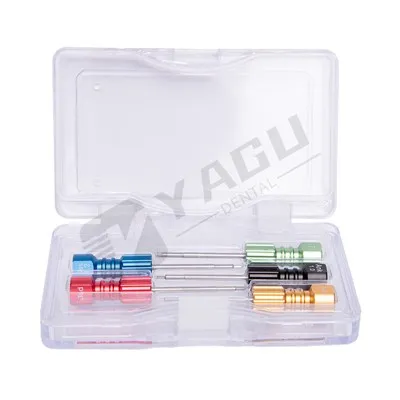
Hey there, dental professionals! As a supplier of Implant Screw Drivers, I often get asked, "How long do implant screw drivers last?" It's a great question, and one that doesn't have a one - size - fits - all answer. In this blog, I'm going to break down the factors that affect the lifespan of implant screw drivers and give you some tips on how to make them last as long as possible.
Understanding Implant Screw Drivers
First off, let's quickly go over what implant screw drivers are. These tools are crucial in dental implant procedures. They're used to insert and tighten the screws that hold dental implants in place. You can find a wide range of them on our website: Implant Screw Drivers. They come in different shapes, sizes, and materials, each designed for specific types of implants and procedures.
Factors Affecting the Lifespan of Implant Screw Drivers
1. Material Quality
The material of the screw driver plays a huge role in how long it lasts. High - quality materials like stainless steel or titanium are more durable and resistant to wear and tear. These materials can withstand the high torque and pressure exerted during implant procedures without deforming easily. Cheaper, lower - quality materials may start to show signs of damage after just a few uses. For example, a screw driver made from a sub - standard alloy might bend or lose its tip shape, making it ineffective for precise screw insertion.
2. Frequency of Use
It's pretty obvious that the more you use a screw driver, the faster it will wear out. In a busy dental clinic where implant procedures are carried out daily, the screw drivers are going to take a lot more abuse compared to a clinic that only does a few implants a month. If you're using your screw drivers multiple times a day, you can expect to replace them more frequently than if they're used sparingly.
3. Proper Maintenance
Maintenance is key when it comes to extending the lifespan of your implant screw drivers. After each use, they should be thoroughly cleaned to remove any debris, blood, or bone particles. Sterilization is also crucial. However, improper sterilization methods can actually damage the screw drivers. For instance, using overly harsh chemicals or high - temperature sterilization methods that are not suitable for the material of the screw driver can cause corrosion or weakening of the tool. You can also check out our Bone Chip Maker on our website, and proper maintenance applies to it as well.
4. Skill of the Operator
The skill of the dentist or dental technician using the screw driver can have a significant impact on its lifespan. An experienced operator who knows how to apply the right amount of force and use the tool correctly is less likely to cause unnecessary damage to the screw driver. On the other hand, a novice operator might over - torque the screw or use the tool in an incorrect manner, which can lead to premature wear and breakage.
Signs That Your Implant Screw Driver Needs Replacement
So, how do you know when it's time to replace your screw driver? Here are some tell - tale signs:
1. Wear on the Tip
The tip of the screw driver is the part that comes into direct contact with the implant screw. If you notice that the tip is worn down, rounded, or has lost its sharp edges, it's a clear sign that the screw driver is no longer in optimal condition. A worn tip won't be able to grip the screw properly, which can lead to loose screws or difficulty in inserting them correctly.
2. Difficulty in Turning Screws
If you find that it's becoming increasingly difficult to turn the screws during an implant procedure, even when using the correct amount of force, it could be because the screw driver is damaged. This could be due to internal wear or a loss of the tool's mechanical efficiency.
3. Visible Damage
Any visible signs of damage such as cracks, bends, or chips are obvious indicators that the screw driver needs to be replaced. Using a damaged screw driver not only compromises the quality of the implant procedure but also poses a risk to the patient.
How to Extend the Lifespan of Your Implant Screw Drivers
1. Follow Manufacturer's Instructions
The manufacturer's instructions for use and maintenance are there for a reason. They provide specific guidelines on how to clean, sterilize, and store the screw drivers to ensure their longevity. Make sure you read and follow these instructions carefully.
2. Use the Right Tool for the Job
Using the correct screw driver for each implant type is essential. Different implants require different screw drivers with specific tip shapes and sizes. Using the wrong tool can cause damage to both the screw driver and the implant. You can find a variety of Dental Implant Screwdriver options on our website to match your specific needs.
3. Regular Inspections
Perform regular inspections of your screw drivers. Before each use, take a few seconds to check for any signs of wear or damage. Catching problems early can prevent further damage and save you money in the long run.
Typical Lifespan Estimates
It's hard to give an exact number for how long implant screw drivers last because of all the factors mentioned above. However, on average, a high - quality screw driver that is well - maintained and used moderately can last anywhere from 6 months to a year. In a high - volume clinic, you might need to replace them every 3 - 6 months. In a low - volume setting, they could potentially last over a year.


Conclusion
So, there you have it. The lifespan of implant screw drivers depends on a variety of factors, including material quality, frequency of use, maintenance, and operator skill. By understanding these factors and taking the necessary steps to extend their lifespan, you can get the most out of your screw drivers and ensure the success of your implant procedures.
If you're in the market for new implant screw drivers or have any questions about our products, don't hesitate to reach out. We're here to help you find the right tools for your practice and ensure that you get the best value for your money. Contact us to start a conversation about your dental tool needs and let's work together to improve your implant procedures.
References
- Dental Instrumentation: Principles and Techniques.
- Journal of Dental Implantology research articles on tool durability.