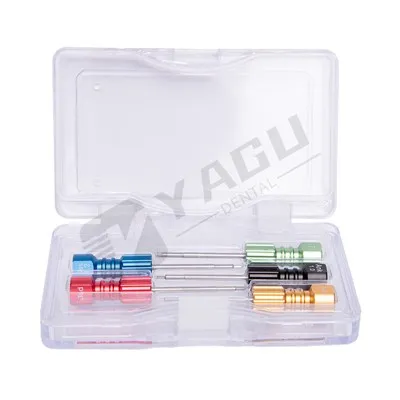
A temporary abutment is a crucial component in the dental implant process, serving as a connector between the dental implant and the prosthetic tooth. As a dedicated temporary abutment supplier, I've witnessed firsthand the significance of understanding how these abutments are installed. This blog will guide you through the step - by - step process of installing a temporary abutment, highlighting key considerations and the importance of quality products.
Pre - installation Assessment
Before the installation of a temporary abutment, a comprehensive pre - installation assessment is necessary. The dentist will first evaluate the patient's oral health, including the condition of the gums, bone density, and the position of the dental implant. X - rays and CT scans are often used to obtain a detailed view of the implant site. This assessment helps determine if the implant has integrated properly with the bone, which is essential for the successful installation of the temporary abutment.
The type of implant also plays a crucial role. Different implant systems, such as Nobel Ti Base, Straumann Pre Milled Abutment, and Dentium 14mm Premill Abutment, have specific requirements for the abutment. The dentist needs to select the appropriate temporary abutment that matches the implant's specifications, including the diameter, connection type, and height.
Preparation of the Implant Site
Once the pre - installation assessment is complete and the appropriate temporary abutment is selected, the next step is to prepare the implant site. The patient is usually given local anesthesia to ensure a pain - free procedure. The dentist will then gently uncover the dental implant, which was previously placed beneath the gum tissue. This is done carefully to avoid damage to the surrounding soft tissues and the implant itself.
After uncovering the implant, the dentist will clean the implant surface to remove any debris or tissue that may have accumulated. A special cleaning instrument is used to ensure that the implant is free from contaminants. This step is vital as a clean implant surface promotes a better fit and connection with the temporary abutment.
Selecting and Fitting the Temporary Abutment
The selection of the temporary abutment is based on several factors, including the patient's bite, the position of the implant, and the future prosthetic restoration. The dentist will try different abutment sizes and shapes to find the one that fits best. This process may involve some adjustments to ensure a precise fit.


Once the appropriate abutment is selected, it is carefully placed onto the implant. The abutment is screwed onto the implant using a torque wrench. The correct torque is crucial as over - tightening can damage the implant or the abutment, while under - tightening can lead to loosening of the abutment over time. The dentist will follow the manufacturer's recommendations for the specific implant - abutment system to ensure the correct torque is applied.
Verification of Fit and Function
After the temporary abutment is installed, the dentist will verify its fit and function. This includes checking the occlusion, or the way the teeth come together when the patient bites. The dentist will ask the patient to bite down gently to ensure that the abutment does not interfere with the normal bite pattern.
The dentist will also examine the soft tissues around the abutment. The gums should fit snugly around the abutment without excessive pressure or irritation. Any signs of inflammation or discomfort need to be addressed immediately. If necessary, the dentist may make further adjustments to the abutment or the surrounding tissues.
Post - installation Care
Once the temporary abutment is successfully installed and verified, the patient is given instructions on post - installation care. Oral hygiene is of utmost importance. The patient should brush their teeth gently twice a day and use an antibacterial mouthwash to prevent infection.
The patient is also advised to avoid hard or sticky foods that could dislodge or damage the temporary abutment. Regular follow - up appointments are scheduled to monitor the healing process and the condition of the abutment. During these appointments, the dentist will check for any signs of complications, such as loosening of the abutment, infection, or bone loss.
Importance of Quality Temporary Abutments
As a temporary abutment supplier, I understand the importance of providing high - quality products. Quality abutments are made from biocompatible materials, such as titanium, which are well - tolerated by the body. They are also precision - engineered to ensure a perfect fit with the implant and the future prosthetic restoration.
Using a low - quality abutment can lead to a variety of problems, including implant failure, gum recession, and discomfort for the patient. High - quality abutments reduce the risk of these complications and contribute to the long - term success of the dental implant treatment.
Conclusion
Installing a temporary abutment is a critical step in the dental implant process. It requires careful pre - installation assessment, precise fitting, and proper post - installation care. As a supplier, I am committed to providing dentists with high - quality temporary abutments that meet the strictest standards.
If you are a dental professional looking for reliable temporary abutments, we invite you to contact us for procurement and further discussions. Our team of experts is ready to assist you in selecting the right products for your patients' needs.
References
- Misch, C. E. (2018). Dental Implant Prosthetics. Elsevier Health Sciences.
- Tarnow, D. P., & Cho, S. (2017). Dental Implantology. Wiley Blackwell.