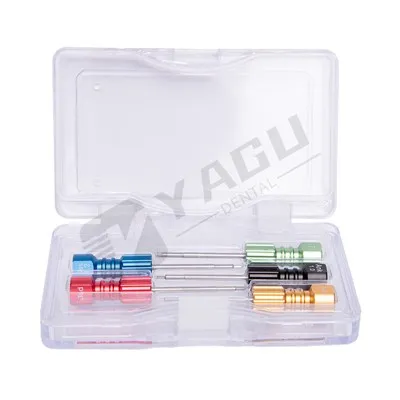
An angled abutment implant is a crucial component in modern dental implantology, offering solutions to complex dental situations. As a trusted supplier of angled abutment implants, I am well - versed in how these innovative devices work and their significance in the field of dentistry.
The Basics of Dental Implants
Before delving into how angled abutment implants work, it's essential to understand the fundamentals of dental implants. A dental implant is a titanium post that is surgically placed into the jawbone to serve as an artificial tooth root. Once the implant integrates with the surrounding bone through a process called osseointegration, it provides a stable foundation for a dental prosthesis, such as a crown, bridge, or denture.

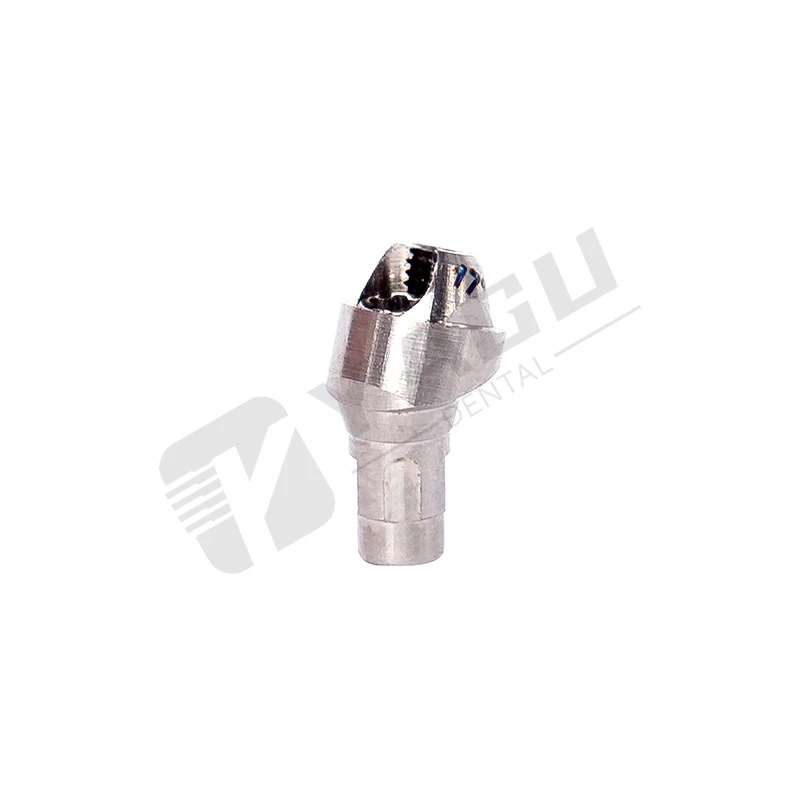
What is an Angled Abutment Implant?
An angled abutment implant is a specialized type of abutment that connects the dental implant (the artificial root) to the dental prosthesis (the visible part of the tooth). Unlike straight abutments, angled abutments have a bent or angled design. This unique shape allows for greater flexibility in the placement of the dental prosthesis, especially in cases where the implant is not positioned in an ideal straight - line orientation.
How Does an Angled Abutment Implant Work?
1. Surgical Placement of the Implant
The process begins with the surgical placement of the dental implant into the jawbone. The dentist carefully selects the appropriate location based on factors such as bone quality, available space, and the patient's overall oral health. In some cases, due to anatomical limitations or previous dental issues, the implant may need to be placed at an angle rather than in a straight vertical position. This is where angled abutment implants come into play.
2. Healing and Osseointegration
After the implant is placed, a healing period of several weeks to months is required for osseointegration to occur. During this time, the bone cells gradually grow around the implant, fusing it securely to the jawbone. Once osseointegration is complete, the implant is stable enough to support the abutment and the final dental prosthesis.
3. Connecting the Angled Abutment
Once the implant has successfully integrated with the bone, the next step is to attach the angled abutment. The dentist will first access the implant by making a small incision in the gum tissue. Then, using specialized tools, the angled abutment is carefully screwed onto the implant. The angle of the abutment is selected based on the position of the implant and the desired orientation of the final dental prosthesis. This ensures that the prosthesis will be correctly aligned with the surrounding teeth and fit comfortably in the patient's mouth.
4. Impression Taking
After the angled abutment is in place, an impression of the abutment and the surrounding teeth is taken. This impression is used to create a custom - made dental prosthesis that will fit precisely on the angled abutment. The dental laboratory uses advanced techniques to fabricate a crown, bridge, or denture that matches the patient's natural teeth in terms of color, shape, and size.
5. Placement of the Dental Prosthesis
Once the dental prosthesis is ready, it is attached to the angled abutment. The dentist will ensure that the prosthesis fits properly and that the patient can bite and chew comfortably. Any necessary adjustments are made to ensure optimal functionality and aesthetics.
Advantages of Angled Abutment Implants
1. Improved Aesthetics
Angled abutment implants allow for better alignment of the dental prosthesis with the surrounding teeth, resulting in a more natural - looking smile. This is particularly important in the anterior region of the mouth, where appearance is a significant concern for patients.
2. Enhanced Functionality
By allowing for more flexible placement of the dental prosthesis, angled abutment implants can improve the patient's ability to chew and speak properly. They can also help distribute the forces of biting and chewing more evenly across the implant and the surrounding bone, reducing the risk of implant failure.
3. Treatment of Complex Cases
In cases where the implant cannot be placed in a straight vertical position due to anatomical limitations, such as insufficient bone height or width, angled abutment implants offer a viable solution. They enable dentists to treat patients who may otherwise not be suitable candidates for traditional dental implant procedures.
Different Types of Angled Abutment Implants
1. Angled Abutment Straumann
Straumann is a well - known brand in the dental implant industry. Their angled abutment implants are designed with high - precision engineering, ensuring a perfect fit with Straumann implants. They are made from high - quality materials that are biocompatible and durable, providing long - term stability for the dental prosthesis.
2. Angled Abutment Dental Implant
These angled abutment dental implants are available in a variety of angles and sizes to meet the diverse needs of patients. They are designed to be easy to install and offer excellent esthetic and functional results.
3. Hiossen Multi Unit Abutment
Hiossen's multi - unit angled abutments are suitable for cases where multiple implants are used to support a bridge or denture. They allow for precise alignment of the prosthesis and can be customized to fit the specific requirements of the patient's oral anatomy.
Maintenance of Angled Abutment Implants
Proper maintenance is essential to ensure the long - term success of angled abutment implants. Patients should follow a regular oral hygiene routine, including brushing, flossing, and using an antibacterial mouthwash. Regular dental check - ups are also necessary to monitor the health of the implant, abutment, and surrounding tissues. The dentist may recommend professional cleanings and adjustments as needed.
Conclusion
Angled abutment implants are a valuable tool in modern dental implantology, offering solutions to complex dental situations. Their ability to provide better aesthetics, enhanced functionality, and treatment options for challenging cases makes them an essential component of many dental implant procedures. As a supplier of angled abutment implants, I am committed to providing high - quality products that meet the needs of dentists and patients alike.
If you are a dental professional interested in learning more about our angled abutment implants or would like to discuss a potential purchase, please feel free to reach out. We are eager to engage in a productive conversation about how our products can benefit your practice and your patients.
References
- Misch, C. E. (2010). Dental Implant Prosthetics. Elsevier Health Sciences.
- Buser, D., Martin, W., & Belser, U. C. (2004). Optimizing esthetics for implant restorations in the anterior maxilla: Anatomic and surgical considerations. The International Journal of Oral & Maxillofacial Implants, 19(Suppl), 43 - 61.
- Tarnow, D. P., & Cho, S. C. (2007). A clinical evaluation of implant - supported single crowns: A 10 - year prospective study. The International Journal of Oral & Maxillofacial Implants, 22(3), 397 - 402.