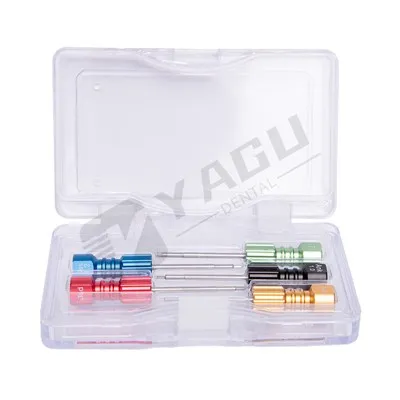
Hey there! As a supplier of implant parts, I've been super into how these little wonders integrate with the human body. It's a topic that's not only fascinating but also crucial for anyone involved in the dental or medical implant field. So, let's dive right in and explore this amazing process.
First off, what are implant parts? Well, they're the components used in dental and medical implants to replace missing teeth or support various medical devices. Think of things like Osstem Transfer Impression Coping, Osstem Healing Cap, and Castable Implant Abutment. These parts play different roles in the overall implant system, and understanding how they integrate with the body is key to their success.
The Basics of Implant Integration
When an implant part is placed in the body, the first thing that happens is a biological response. The body recognizes the foreign object and starts a series of processes to either accept or reject it. This is where the concept of osseointegration comes in. Osseointegration is the direct structural and functional connection between living bone and the surface of an implant. In simpler terms, it's when the bone grows around the implant, holding it in place and making it a part of the body.
For osseointegration to occur, the implant material needs to be biocompatible. That means it shouldn't cause any harmful reactions in the body. Most implant parts are made from materials like titanium, which is known for its excellent biocompatibility. Titanium forms a thin layer of titanium oxide on its surface when exposed to air, and this layer helps to promote osseointegration by interacting with the surrounding bone cells.
The Process of Implant Placement
Let's take a look at the step-by-step process of implant placement and how the parts integrate along the way.
1. Preparation
Before the implant is placed, the area where it will go needs to be prepared. This usually involves a detailed examination of the patient's mouth or body part, including X-rays and CT scans. The dentist or surgeon will then plan the exact location and angle of the implant to ensure the best possible outcome.
2. Incision and Placement
Once the preparation is done, the next step is to make an incision in the gum or skin to expose the bone. The implant, which is typically a screw-like device, is then inserted into a pre-drilled hole in the bone. This is a delicate procedure that requires precision to ensure the implant is placed at the right depth and angle.
After the implant is placed, a healing cap, like the Osstem Healing Cap, is attached to the top of the implant. This cap protects the implant during the healing process and helps to guide the growth of the gum tissue around it.
3. Healing and Osseointegration
The healing period is crucial for osseointegration. During this time, the body starts to form new bone around the implant. This process can take anywhere from a few weeks to several months, depending on factors like the patient's overall health, the quality of the bone, and the type of implant used.
While the implant is healing, the patient needs to follow a strict oral hygiene routine to prevent infection. The dentist may also recommend a special diet to avoid putting too much stress on the implant.
4. Abutment Placement
Once osseointegration has occurred, the next step is to place the abutment. The abutment is a small connector that attaches the implant to the final restoration, such as a crown or a bridge. A Castable Implant Abutment is a common type of abutment that can be customized to fit the patient's specific needs.
To place the abutment, the healing cap is removed, and the abutment is screwed onto the implant. This creates a stable connection between the implant and the restoration.


5. Final Restoration
The last step in the process is to place the final restoration. This could be a dental crown, a bridge, or a denture, depending on the patient's needs. The restoration is custom-made to match the color and shape of the patient's natural teeth, ensuring a natural-looking and functional result.
Factors Affecting Implant Integration
There are several factors that can affect the success of implant integration. Let's take a look at some of the most important ones.
1. Implant Design
The design of the implant plays a crucial role in osseointegration. Implants with a rough surface texture tend to promote better osseointegration than those with a smooth surface. This is because the rough surface provides more area for the bone cells to attach and grow.
2. Patient Health
The patient's overall health can also have a significant impact on implant integration. Conditions like diabetes, osteoporosis, and smoking can all affect the body's ability to heal and form new bone. Patients with these conditions may need to be carefully evaluated before undergoing implant surgery, and additional precautions may need to be taken to ensure a successful outcome.
3. Surgical Technique
The skill and experience of the dentist or surgeon performing the implant surgery are also important. A proper surgical technique ensures that the implant is placed at the right location and angle, which is essential for osseointegration.
The Role of Implant Parts in Integration
Each implant part plays a specific role in the integration process. Let's take a closer look at some of the key parts and how they contribute.
Osstem Transfer Impression Coping
The Osstem Transfer Impression Coping is used to take an accurate impression of the implant in the patient's mouth. This impression is then used to create a custom-made abutment and restoration that fits perfectly on the implant. By ensuring a precise fit, the transfer impression coping helps to promote better integration and stability of the final restoration.
Osstem Healing Cap
As mentioned earlier, the Osstem Healing Cap protects the implant during the healing process. It also helps to guide the growth of the gum tissue around the implant, creating a healthy and stable environment for osseointegration.
Castable Implant Abutment
The Castable Implant Abutment provides a stable connection between the implant and the final restoration. It is designed to be customized to fit the patient's specific needs, ensuring a perfect fit and optimal function.
Conclusion
In conclusion, the integration of implant parts with the human body is a complex but fascinating process. From the initial biological response to the final placement of the restoration, every step is crucial for the success of the implant. As a supplier of implant parts, I'm always excited to see how these parts contribute to the overall process and help patients regain their oral health and confidence.
If you're in the market for high-quality implant parts, I'd love to have a chat with you. Whether you're a dentist, a surgeon, or a distributor, we can work together to find the right solutions for your needs. Don't hesitate to reach out and start the conversation.
References
- Brånemark, P. I., Zarb, G. A., & Albrektsson, T. (1985). Tissue-integrated prostheses: osseointegration in clinical dentistry. Quintessence Publishing Co.
- Misch, C. E. (2008). Dental implants: osseointegration and surgical placement. Elsevier Health Sciences.
- Misch, C. E. (2010). Contemporary implant dentistry. Elsevier Health Sciences.