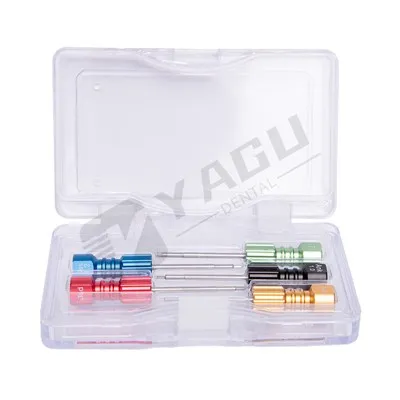
Handling the disposal of used implant parts is a critical aspect of our operations as an implant parts supplier. In the medical and dental fields, where implant parts like Dentium Multi Unit Scanbody, Osstem Healing Cap, and Dentium Peek Scanbody are widely used, proper disposal not only ensures compliance with regulations but also contributes to environmental protection and public health.
Understanding the Regulatory Landscape
One of the first steps in handling used implant parts is to have a clear understanding of the regulatory requirements. Different regions and countries have specific rules regarding the disposal of medical and dental waste. For example, in the United States, the Environmental Protection Agency (EPA) and the Occupational Safety and Health Administration (OSHA) have set guidelines for the proper handling and disposal of medical waste. These regulations are in place to prevent the spread of infectious diseases and to ensure the safe management of hazardous materials.


As an implant parts supplier, we are committed to staying up - to - date with these regulations. We work closely with our customers, such as dental clinics and medical facilities, to ensure that they are aware of the proper disposal procedures. We provide them with educational materials and resources to help them comply with the law. This includes information on waste segregation, storage, and transportation.
Waste Segregation
Waste segregation is a crucial part of the disposal process. Used implant parts can be classified into different categories based on their nature and potential hazards. For instance, some implant parts may be made of metal, while others are made of plastic or ceramic. Additionally, parts that have been in contact with bodily fluids or tissues may be considered biohazardous.
We encourage our customers to segregate their used implant parts at the source. This means separating non - hazardous parts from biohazardous ones. Non - hazardous parts, such as clean metal or plastic components that have not been in contact with bodily fluids, can be disposed of in regular waste streams after proper cleaning and sterilization. On the other hand, biohazardous parts must be placed in special containers that are clearly labeled and designed to prevent leakage and contamination.
Sterilization and Cleaning
Before disposal, used implant parts often need to undergo sterilization and cleaning processes. This is not only to comply with regulations but also to reduce the risk of spreading infections. There are several methods of sterilization, including autoclaving, chemical sterilization, and gamma irradiation.
Autoclaving is a common method used for sterilizing metal and heat - resistant plastic implant parts. It involves subjecting the parts to high - pressure steam at a specific temperature for a set period of time. Chemical sterilization, on the other hand, uses chemicals such as ethylene oxide or hydrogen peroxide to kill microorganisms. Gamma irradiation is a more advanced method that uses high - energy gamma rays to sterilize the parts.
We recommend that our customers follow the manufacturer's instructions for sterilization and cleaning. This ensures that the implant parts are properly treated before disposal. In some cases, we also offer our customers access to professional sterilization services to ensure the highest level of safety.
Storage and Transportation
Once the used implant parts have been segregated and sterilized, they need to be stored and transported safely. Proper storage is essential to prevent damage to the parts and to avoid any potential contamination. We advise our customers to store their used implant parts in a cool, dry place away from direct sunlight and sources of heat.
When it comes to transportation, it is important to use approved carriers that are licensed to handle medical and dental waste. These carriers are equipped with the necessary equipment and expertise to ensure that the waste is transported safely and in compliance with regulations. We can assist our customers in finding reliable waste transportation services.
Environmental Considerations
In addition to regulatory compliance, we also take environmental considerations into account when handling the disposal of used implant parts. Many implant parts are made of materials that can be recycled. For example, metal implant parts can be melted down and reused in the manufacturing process.
We are actively involved in promoting recycling initiatives. We work with recycling companies to ensure that as many used implant parts as possible are recycled instead of being sent to landfills. By doing so, we not only reduce the environmental impact but also contribute to the conservation of natural resources.
Working with Customers
As an implant parts supplier, we understand that our customers may have questions and concerns about the disposal of used implant parts. That's why we offer comprehensive customer support. We have a dedicated team of experts who can provide our customers with advice and guidance on all aspects of waste disposal.
We also conduct regular training sessions for our customers. These sessions cover topics such as waste management regulations, proper disposal procedures, and environmental best practices. By empowering our customers with knowledge, we help them make informed decisions about the disposal of used implant parts.
The Role of Technology
Technology plays an important role in improving the efficiency and safety of the disposal process. For example, there are now advanced waste management software systems that can help track and manage used implant parts from the point of generation to final disposal. These systems can provide real - time information on waste volumes, disposal locations, and compliance status.
We are constantly exploring new technologies to enhance our waste management processes. We believe that by leveraging technology, we can make the disposal of used implant parts more transparent, efficient, and environmentally friendly.
Conclusion
Handling the disposal of used implant parts is a complex but essential task. As an implant parts supplier, we take our responsibility seriously. We are committed to ensuring that our customers have the support and resources they need to dispose of used implant parts safely and in compliance with regulations.
If you are interested in learning more about our implant parts or have questions about the disposal process, we encourage you to reach out to us. We are here to assist you with all your implant parts needs, from procurement to proper disposal. Let's work together to ensure the highest standards of safety and environmental protection in the medical and dental industries.
References
- Environmental Protection Agency (EPA). (Year). Medical Waste Management Regulations.
- Occupational Safety and Health Administration (OSHA). (Year). Guidelines for Handling Medical Waste.
- Manufacturer's Instructions for Implant Parts (Dentium, Osstem, etc.).