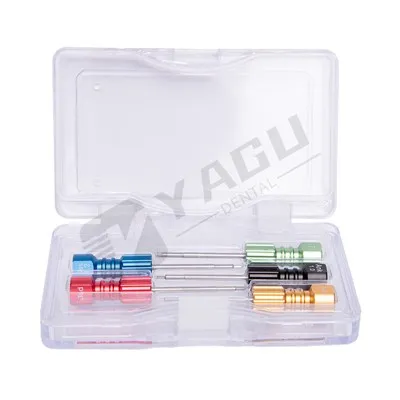
In the field of dental implantology, implant screw drivers are indispensable tools. As a supplier of Implant Screw Drivers, I've often been asked about the potential side effects of these tools. In this blog, I'll delve into this topic based on scientific knowledge and practical experience.
Understanding Implant Screw Drivers
Implant screw drivers are specifically designed instruments used to insert and tighten the screws during dental implant procedures. They come in various shapes, sizes, and designs to accommodate different types of implants and surgical requirements. The precision and functionality of these tools are crucial for the success of dental implant surgeries. For more information about Dental Implant Screwdrivers, you can visit Dental Implant Screwdriver.
Potential Side Effects of Implant Screw Drivers
1. Mechanical Damage
One of the primary concerns regarding implant screw drivers is the potential for mechanical damage. If the screw driver is not properly matched to the implant screw, it can lead to stripping of the screw head. This occurs when the tip of the screw driver does not fit snugly into the screw head, causing the tool to slip and damage the screw's surface. Stripped screws can be difficult to remove or adjust, which may require additional surgical procedures to correct the problem.
Another form of mechanical damage is the over - tightening or under - tightening of the implant screw. Over - tightening can lead to excessive stress on the implant and the surrounding bone tissue. This can cause bone resorption, where the bone around the implant begins to break down due to the high pressure. On the other hand, under - tightening can result in screw loosening over time, which can lead to implant instability and eventual failure.
2. Infection Risk
Implant screw drivers are used in a sterile surgical environment. However, if the tools are not properly sterilized, they can introduce bacteria into the surgical site. Contaminated screw drivers can cause infections such as peri - implantitis, which is an inflammatory condition affecting the tissues surrounding the dental implant. Peri - implantitis can lead to bone loss around the implant and ultimately result in implant failure. To minimize the risk of infection, it is essential to follow strict sterilization protocols for all dental instruments, including implant screw drivers.
3. Nerve and Soft Tissue Damage
During the dental implant procedure, there is a risk of nerve and soft tissue damage. If the screw driver is used incorrectly or if there is an unexpected anatomical variation, it can come into contact with nerves or soft tissues in the oral cavity. Nerve damage can cause numbness, tingling, or pain in the lips, tongue, or chin. Soft tissue damage can lead to bleeding, swelling, and discomfort for the patient. Surgeons need to have a thorough understanding of the patient's anatomy and use proper surgical techniques to avoid these complications.
Minimizing Side Effects
As a supplier of Implant Screw Drivers, I understand the importance of providing high - quality tools that can help minimize the potential side effects. Here are some ways to reduce the risks associated with implant screw drivers:
1. Quality and Compatibility
Choose implant screw drivers that are of high quality and are specifically designed to be compatible with the implants being used. High - quality screw drivers are made from durable materials and have precise tips that fit perfectly into the screw heads. This reduces the risk of stripping and ensures proper tightening of the screws. For a wide range of high - quality Implant Screw Drivers, you can visit Implant Screw Drivers.


2. Sterilization
Proper sterilization of implant screw drivers is crucial. Follow the manufacturer's instructions for cleaning and sterilizing the tools. Use appropriate sterilization methods such as autoclaving, which can effectively kill bacteria and other microorganisms. Regularly test the sterilization equipment to ensure its effectiveness.
3. Surgeon Training
Surgeons should receive comprehensive training on the proper use of implant screw drivers. They should be familiar with the surgical techniques and anatomical considerations to minimize the risk of nerve and soft tissue damage. Continuing education courses can help surgeons stay updated on the latest advancements in dental implantology.
Complementary Tools and Their Role
In addition to implant screw drivers, other tools such as bone chip makers also play an important role in dental implant procedures. Bone chip makers are used to harvest bone chips from the patient's own body, which can be used for bone grafting during the implant surgery. This helps to promote bone growth and improve the stability of the implant. To learn more about bone chip makers, you can visit Bone Chip Maker.
Conclusion
Implant screw drivers are essential tools in dental implantology, but they do come with potential side effects. However, by using high - quality tools, following proper sterilization protocols, and ensuring that surgeons are well - trained, these risks can be minimized. As a supplier of Implant Screw Drivers, I am committed to providing products that meet the highest standards of quality and safety.
If you are interested in purchasing implant screw drivers or have any questions about our products, I encourage you to contact us for more information. We are always ready to discuss your specific needs and requirements and provide you with the best solutions for your dental practice.
References
- Nedir, R., et al. "Peri - implantitis: a systematic review on the prevalence and risk indicators." Clinical Oral Implants Research, 2012.
- Misch, C. E. "Dental Implant Prosthetics." Elsevier Health Sciences, 2012.
- Linkow, L. I. "Endosseous implants in dentistry." Journal of Oral Implantology, 1975.