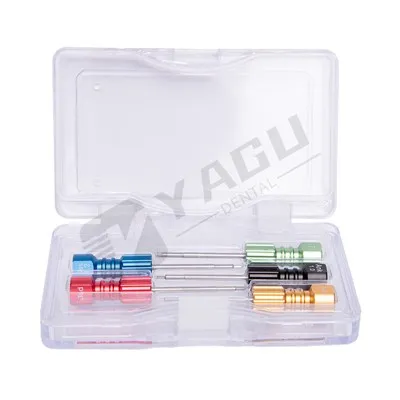
Osstem Temporary Abutments are widely used in dental implant procedures, providing a temporary solution during the healing and restoration process. As a supplier of Osstem Temporary Abutments, I am often asked about the potential side - effects of these products. In this blog, we will explore whether Osstem Temporary Abutments can cause any side - effects based on scientific knowledge and clinical experience.
Understanding Osstem Temporary Abutments
Osstem Temporary Abutments are designed to be used in the interim period between the placement of dental implants and the final restoration. They serve multiple purposes, such as maintaining the space for the future prosthesis, facilitating soft tissue healing around the implant, and allowing for proper esthetics during the treatment process. These abutments are typically made from biocompatible materials, which are chosen to minimize the risk of adverse reactions in the oral environment.
Potential Side - Effects
1. Soft Tissue Reactions
One of the possible side - effects is soft tissue irritation. Although Osstem Temporary Abutments are made from biocompatible materials, individual patients may have different sensitivities. In some cases, the presence of the abutment in the oral cavity can cause mild inflammation of the surrounding gingival tissue. This may manifest as redness, swelling, or tenderness in the area around the abutment.
The risk of soft tissue reactions can be influenced by several factors. Poor oral hygiene is a significant contributor. If patients do not maintain proper oral hygiene, plaque and bacteria can accumulate around the abutment, leading to an increased risk of inflammation. Additionally, the design of the abutment can also play a role. A poorly fitting abutment may cause mechanical irritation to the soft tissues, further exacerbating the problem.
2. Allergic Reactions
While rare, allergic reactions to the materials used in Osstem Temporary Abutments can occur. The materials commonly used in these abutments, such as titanium or other alloys, are generally well - tolerated by most patients. However, a small percentage of individuals may have an allergic sensitivity to these metals.
Allergic reactions can range from mild symptoms, such as itching or a rash in the oral cavity, to more severe systemic reactions in rare cases. It is important for dental professionals to take a detailed medical history from patients before using Osstem Temporary Abutments to identify any potential allergies.
3. Loosening or Dislodgement
Another potential issue is the loosening or dislodgement of the abutment. This can occur due to several reasons. Over - tightening or under - tightening of the abutment during installation can lead to instability. If the abutment is not properly secured to the implant, it may become loose over time, especially with normal chewing and biting forces.
In addition, excessive force during mastication or parafunctional habits such as bruxism (teeth grinding) can also cause the abutment to loosen. When an abutment becomes loose, it can cause discomfort for the patient and may also affect the healing process and the fit of the final restoration.
4. Bone Loss
In some cases, there may be a concern about bone loss around the implant associated with the use of Osstem Temporary Abutments. Although the abutment itself is not directly responsible for bone loss, improper placement or long - term mechanical stress can have an impact on the surrounding bone.
If the abutment is placed in a way that causes excessive pressure on the bone, it can lead to bone resorption. This is more likely to occur if the abutment is not properly aligned with the implant or if there are issues with the occlusal forces acting on the abutment.
Minimizing the Risk of Side - Effects
To minimize the risk of side - effects, several steps can be taken. First and foremost, proper patient selection is crucial. Dental professionals should carefully evaluate the patient's oral health, medical history, and any potential risk factors before using Osstem Temporary Abutments.
Good oral hygiene instructions should be provided to patients. This includes regular brushing, flossing, and the use of antimicrobial mouthwashes. Patients should be educated on how to clean around the abutment to prevent the accumulation of plaque and bacteria.
Proper installation of the abutment is also essential. Dental professionals should follow the manufacturer's guidelines for installation, ensuring that the abutment is correctly tightened and aligned with the implant. Regular follow - up appointments should be scheduled to monitor the patient's progress and to detect any potential issues early.
Comparison with Other Abutments
When considering the potential side - effects of Osstem Temporary Abutments, it is also useful to compare them with other similar products on the market. For example, the Dentium Multi Unit Scanbody and Dentium Multi Unit Castable Abutment are alternative options. Each of these products has its own characteristics and potential side - effects.
The Straumann Temporary Abutment is another well - known product in the dental implant market. While the general principles of potential side - effects are similar across different brands, there may be some differences in the materials used, the design, and the manufacturing processes, which can influence the risk of side - effects.
Conclusion
In conclusion, while Osstem Temporary Abutments are generally safe and effective for use in dental implant procedures, there are potential side - effects that need to be considered. These include soft tissue reactions, allergic reactions, loosening or dislodgement, and bone loss. However, with proper patient selection, good oral hygiene, and correct installation, the risk of these side - effects can be significantly minimized.


As a supplier of Osstem Temporary Abutments, I am committed to providing high - quality products and supporting dental professionals in ensuring the best possible outcomes for their patients. If you are a dental professional interested in learning more about our Osstem Temporary Abutments or would like to discuss potential procurement, please feel free to reach out for further information and to start a procurement negotiation.
References
- Misch CE. Contemporary Implant Dentistry. Mosby; 2008.
- Tarnow DP, Cho SC, Wallace SS. The effect of the distance from the contact point to the crest of bone on the presence or absence of the interproximal dental papilla. J Periodontol. 2003;74(9):1235 - 1242.
- Buser D, Martin W, Belser UC. Optimizing esthetics for implant restorations with short clinical crowns: anatomic and surgical considerations. Int J Oral Maxillofac Implants. 2004;19 Suppl:43 - 61.