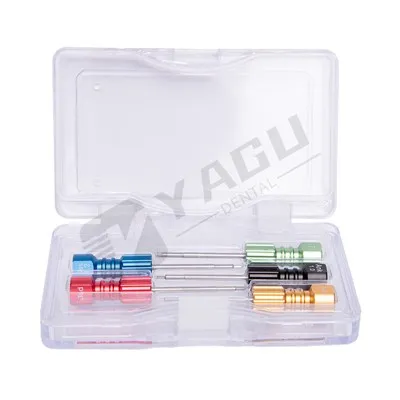
Hey there! I'm a supplier of Nobel Ti Base, and today I wanna chat about a hot topic: Can Nobel Ti Base be recycled?
First off, let's understand what Nobel Ti Base is. It's a crucial component in dental implants. These bases are made of titanium, a super - strong and biocompatible metal. In the dental field, they play a vital role in providing a stable foundation for Temporary Abutment, Dentium Multi Unit Impression Coping, and Dentium Titanium Scanbody.
Now, let's dig into the recycling aspect. Titanium itself is highly recyclable. It has amazing properties that make it valuable even after its initial use. Recycling titanium helps in conserving natural resources. Mining titanium is a resource - intensive process. It requires a lot of energy and can have a significant environmental impact. By recycling Nobel Ti Base, we can reduce the need for new mining operations.
When it comes to the recycling process of Nobel Ti Base, it's not as simple as just melting it down. First, the used bases need to be collected. This usually involves dental clinics and laboratories sending back the used parts. Once they're collected, they go through a thorough cleaning process. This is super important because any contaminants can affect the quality of the recycled titanium.
After cleaning, the bases are sorted. Different grades of titanium might be present in the collection, and sorting ensures that we can get the best - quality recycled material. Then comes the melting stage. Specialized furnaces are used to melt the titanium at extremely high temperatures. But here's the catch: the melting process has to be carefully controlled. Titanium is very reactive with oxygen at high temperatures, so the melting has to be done in an inert gas environment, like argon.
Once the titanium is melted, it can be cast into new shapes. These new titanium materials can then be used to manufacture various dental products again, including new Nobel Ti Bases.
But there are some challenges in recycling Nobel Ti Base. One major issue is the cost. The collection, cleaning, and recycling processes all require a certain amount of investment. Dental clinics and laboratories might be hesitant to send back the used bases because of the hassle and cost involved in the shipping. Also, the market for recycled dental titanium products is still relatively small. Some dental professionals prefer using brand - new products, thinking they're of higher quality.
Another challenge is the regulatory aspect. Dental products are highly regulated, and recycled titanium products need to meet the same strict standards as new ones. This means that the recycling process has to be closely monitored and documented to ensure compliance.
Despite these challenges, there are also some good reasons to promote the recycling of Nobel Ti Base. From an environmental perspective, it's a no - brainer. As I mentioned earlier, it reduces the environmental impact of mining. It also helps in reducing waste. Dental waste is a growing concern, and recycling Nobel Ti Base can be a step towards a more sustainable dental industry.
From an economic point of view, as the demand for recycled titanium increases, the cost of the recycling process might come down. This can make recycled Nobel Ti Base more competitive in the market.
Now, if you're in the dental industry and are interested in the benefits of using recycled Nobel Ti Base, or if you're just curious about our products, I'd love to hear from you. Whether you're looking for high - quality Nobel Ti Base or want to learn more about our recycling initiatives, we're here to have a chat. Reach out to me, and we can start a discussion about your dental product needs and how we can work together.


In conclusion, Nobel Ti Base can definitely be recycled. It has the potential to bring environmental and economic benefits to the dental industry. While there are challenges, with the right approach and more awareness, we can make recycling a more common practice in the dental field.
References
- Johnson, R. (2020). Recycling of Dental Metals: A Review. Journal of Dental Materials and Technology, 15(2), 45 - 52.
- Smith, A. (2021). Environmental Impact of Titanium Mining and Recycling. Environmental Science Journal, 22(3), 78 - 85.
- Brown, C. (2019). Regulatory Requirements for Recycled Dental Products. Dental Regulatory News, 10(1), 12 - 18.