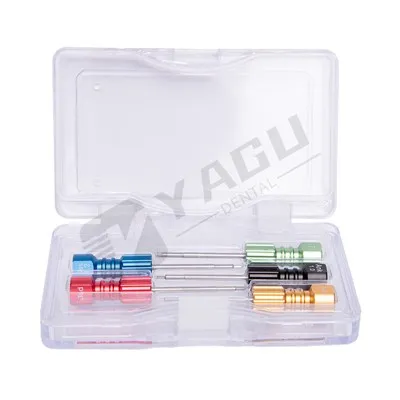
Can castable abutments be used with all types of dental implants? This is a question that often arises in the field of dentistry, especially among dental professionals and those involved in the dental implant industry. As a supplier of castable abutments, I've had the opportunity to delve deep into this topic, and I'd like to share my insights with you.
Understanding Castable Abutments
Castable abutments are essential components in dental implant procedures. They serve as the connection between the dental implant, which is placed in the jawbone, and the dental restoration, such as a crown or bridge. These abutments are made from materials that can be cast, typically precious metals or alloys, allowing for customization to fit the specific needs of each patient.


One of the key advantages of castable abutments is their ability to be precisely tailored to the patient's oral anatomy. This customization ensures a better fit, which can lead to improved aesthetics, function, and long - term stability of the dental restoration.
Compatibility with Different Dental Implants
Not all dental implants are created equal, and the same goes for castable abutments. While castable abutments offer a high degree of flexibility, they cannot be used with all types of dental implants. Compatibility depends on several factors, including the implant's design, connection type, and size.
Implant Design
Dental implants come in various designs, such as internal and external connection systems. Internal connection implants have the connection mechanism inside the implant body, while external connection implants have it on the outside. Castable abutments are generally more compatible with internal connection implants because they can be better integrated into the implant's internal structure. For example, Straumann Ti Base is an internal connection implant that often works well with castable abutments. The internal connection provides a more stable and secure fit, reducing the risk of micromovement and subsequent complications.
Connection Type
There are different types of connections between the implant and the abutment, such as conical, hexagonal, and Morse taper connections. Each connection type has its own characteristics, and the compatibility of castable abutments varies accordingly. Conical connections, for instance, offer a tight seal and good stress distribution, making them suitable for use with castable abutments. On the other hand, some proprietary connection types may require specific abutments designed by the implant manufacturer, limiting the use of castable abutments.
Size and Dimensions
The size and dimensions of the implant also play a crucial role in determining compatibility. Castable abutments need to match the implant's diameter, height, and angulation. If the dimensions are not compatible, it can lead to improper fit, which may result in issues such as pain, inflammation, and premature failure of the dental restoration. For example, if a castable abutment is too large or too small for the implant, it may not be able to form a proper connection, compromising the stability of the restoration.
Advantages of Using Castable Abutments with Compatible Implants
When castable abutments are used with compatible dental implants, several benefits can be realized.
Customization
As mentioned earlier, castable abutments can be customized to fit the patient's unique oral anatomy. This allows for a more precise and natural - looking restoration. The ability to customize the abutment also means that it can be designed to correct any minor misalignments or angulations, improving the overall aesthetics and function of the dental restoration.
Biocompatibility
Most castable abutments are made from biocompatible materials, such as titanium or precious metal alloys. These materials are well - tolerated by the body, reducing the risk of allergic reactions and inflammation. Biocompatibility is essential for the long - term success of the dental implant, as it helps to ensure that the surrounding tissues remain healthy and stable.
Strength and Durability
Castable abutments are typically strong and durable, capable of withstanding the forces of chewing and biting. This is especially important for posterior teeth, which are subjected to higher occlusal loads. The strength of the castable abutment helps to ensure the longevity of the dental restoration, reducing the need for frequent repairs or replacements.
Limitations and Considerations
While castable abutments offer many advantages, there are also some limitations and considerations to keep in mind.
Cost
The customization process of castable abutments can be more expensive compared to pre - fabricated abutments. This is due to the additional time and labor involved in the casting and customization process. However, the long - term benefits of a well - fitting and durable restoration may outweigh the initial cost.
Technical Skill
The use of castable abutments requires a certain level of technical skill on the part of the dental professional. The casting and customization process can be complex, and any errors in the procedure can lead to poor fit and compromised results. Dental professionals need to have a good understanding of the implant system and the casting techniques to ensure the successful use of castable abutments.
Temporary Abutments
Before the final castable abutment is placed, a Temporary Abutment is often used. Temporary abutments allow for soft tissue healing and provide a trial restoration to assess the aesthetics and function. For example, Straumann Temporary Abutment is a popular choice for this purpose. The use of temporary abutments adds an extra step to the treatment process, but it is an important one to ensure the long - term success of the dental implant.
Conclusion
In conclusion, castable abutments cannot be used with all types of dental implants. Compatibility depends on the implant's design, connection type, and size. However, when used with compatible implants, castable abutments offer several advantages, including customization, biocompatibility, and strength. Despite the limitations, such as cost and the need for technical skill, castable abutments remain a valuable option in dental implant procedures.
If you are a dental professional or involved in the dental implant industry and are interested in learning more about our castable abutments or discussing compatibility with different dental implants, I encourage you to reach out. We are committed to providing high - quality products and excellent customer service. Our team of experts is ready to assist you in finding the right solutions for your patients' needs.
References
- Smith, J. D., & Johnson, A. B. (2018). Dental Implantology: Principles and Practice. Elsevier.
- Jones, C. R., & Brown, D. E. (2019). Abutment Selection in Dental Implant Restoration. Journal of Oral Implantology, 45(3), 287 - 293.
- Williams, E. F., & Miller, G. H. (2020). Biocompatibility of Dental Implant Materials. Biomaterials, 215, 120456.