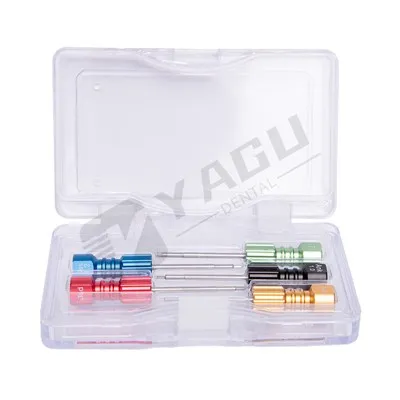
As a supplier of angled abutment implants, I've been asked numerous times about the possibility of replacing these crucial dental components. In this blog post, I'll delve into the intricacies of angled abutment implants, explore the reasons for replacement, the replacement process, and more.
Understanding Angled Abutment Implants
Angled abutment implants are essential in modern dentistry, especially when dealing with complex dental cases. They are designed to connect the dental implant in the jawbone to the dental crown, bridge, or denture. The angled design allows for better alignment and positioning of the prosthetic, especially in situations where the implant is not placed in an ideal straight position.
There are various types of angled abutment implants available in the market. For instance, Angled Multi Unit Abutments offer flexibility in multi - unit restorations, allowing for a more customized fit. Angled Abutment Straumann is a well - known brand that provides high - quality angled abutments with excellent precision and durability. In contrast, Straight Abutment is used when the implant is placed in a straight and ideal position.
Reasons for Replacing an Angled Abutment Implant
1. Aesthetic Concerns
Over time, the appearance of the angled abutment implant may become a concern. The color of the abutment may change due to factors such as staining from food, beverages, or tobacco use. Also, if the initial placement of the abutment was not aesthetically optimal, patients may request a replacement to improve the overall look of their smile.
2. Functional Issues
The functionality of the angled abutment implant can be compromised. For example, if the connection between the abutment and the implant becomes loose, it can lead to instability of the prosthetic. This may cause discomfort while chewing and can even result in damage to the surrounding teeth and gums. Additionally, wear and tear over time can affect the occlusal relationship, leading to improper biting and chewing.
3. Biological Complications
Biological factors can also necessitate the replacement of an angled abutment implant. Peri - implantitis, an inflammatory condition affecting the tissues around the implant, can occur. If left untreated, it can cause bone loss around the implant and may eventually lead to implant failure. In such cases, replacing the abutment may be part of the treatment plan to address the infection and preserve the implant.
4. Changes in Treatment Plan
Sometimes, the initial treatment plan may need to be revised. For example, if a patient initially received a single - tooth implant with an angled abutment but later decides to get a bridge or a denture, the abutment may need to be replaced to accommodate the new prosthetic.
The Replacement Process
1. Diagnosis and Planning
The first step in replacing an angled abutment implant is a thorough diagnosis. The dentist will conduct a comprehensive examination, which may include X - rays, CT scans, and clinical evaluations. These tests help determine the condition of the implant, the surrounding tissues, and the reason for replacement. Based on the diagnosis, a treatment plan is developed, taking into account the patient's oral health, aesthetic preferences, and functional requirements.
2. Preparation
Before the replacement procedure, the patient's mouth needs to be prepared. This may involve cleaning the area around the implant to reduce the risk of infection. If there is any inflammation or infection, appropriate treatment, such as antibiotics or antiseptic rinses, may be prescribed.
3. Removal of the Existing Abutment
The next step is the removal of the existing angled abutment. This is typically done using specialized dental instruments. The dentist carefully loosens the abutment from the implant, taking care not to damage the implant or the surrounding tissues. In some cases, if the abutment is severely damaged or fused to the implant, additional techniques may be required for its removal.
4. Placement of the New Abutment
Once the old abutment is removed, the new angled abutment is selected based on the treatment plan. The new abutment is then precisely placed on the implant and tightened to the appropriate torque. The dentist will ensure that the new abutment is properly aligned and that the connection is secure.
5. Restoration
After the new abutment is placed, the final restoration, such as a crown, bridge, or denture, is attached. The dentist will make any necessary adjustments to ensure a proper fit and occlusion. The patient may need to return for follow - up appointments to monitor the healing process and make any final adjustments.
Success Rate and Complications
The success rate of replacing an angled abutment implant is generally high when the procedure is performed by a skilled dentist. However, like any dental procedure, there are potential complications. These can include bleeding, infection, nerve damage, and implant failure. To minimize these risks, it is crucial to choose a qualified dental professional and follow all post - operative instructions carefully.
Considerations for Suppliers
As a supplier of angled abutment implants, it is our responsibility to provide high - quality products. We need to ensure that our products meet the highest standards of quality, precision, and biocompatibility. This includes using the latest manufacturing techniques and materials to produce abutments that are durable and reliable.
We also need to offer a wide range of products to meet the diverse needs of our customers. Different patients may require different types of angled abutments, depending on their dental conditions and treatment plans. By providing a comprehensive selection, we can ensure that dentists have access to the right products for their patients.
In addition, we should provide excellent customer support. This includes technical assistance, product information, and after - sales service. Our goal is to help dentists make the best decisions for their patients and to ensure the success of the implant procedures.
Conclusion
In conclusion, an angled abutment implant can be replaced for various reasons, including aesthetic concerns, functional issues, biological complications, and changes in the treatment plan. The replacement process involves a series of steps, from diagnosis and planning to the final restoration. While the success rate is generally high, it is important to be aware of the potential complications and take appropriate precautions.
If you are a dental professional looking for high - quality angled abutment implants, we are here to help. Our products are designed to meet the highest standards of quality and performance. We offer a wide range of angled abutment implants, including Angled Multi Unit Abutments and Angled Abutment Straumann. Contact us today to discuss your needs and start a procurement conversation.


References
- Misch CE. Contemporary Implant Dentistry. Mosby; 2008.
- Zitzmann NU, Berglundh T. The mucosal barrier at implants and teeth. Periodontology 2000. 2008;47(1):135 - 155.
- Salama H, Salama MA. The esthetic implant: A new treatment modality. Compend Contin Educ Dent. 1993;14(10):985 - 994.