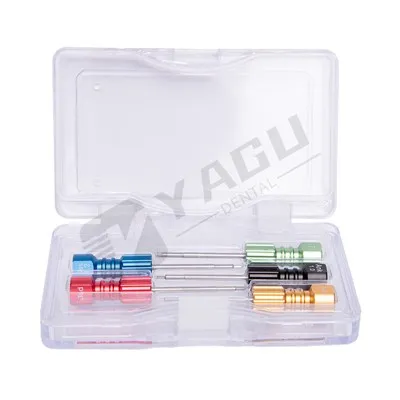
Hey there! As a supplier of Temporary Abutments, I often get asked a pretty important question: Can a temporary abutment be used in patients with a history of allergies? Let's dive right into this topic and break it down.
First off, it's crucial to understand what temporary abutments are. These are small, often tooth - shaped components that are placed on top of dental implants during the healing process. They serve as a placeholder, helping to shape the gum tissue around the implant and prepare the area for the final restoration.
When it comes to patients with a history of allergies, the main concern is the material of the temporary abutment. Different materials can trigger allergic reactions in sensitive individuals. The most common materials used for temporary abutments are titanium, zirconia, and acrylic.
Titanium is widely used in the dental industry because it's biocompatible. In most cases, it has a low risk of causing allergic reactions. However, a small percentage of the population may be allergic to titanium. Titanium allergies are rare, but they do exist. Symptoms can range from mild skin rashes to more severe systemic reactions. If a patient has a known titanium allergy, using a titanium temporary abutment is definitely out of the question. In such cases, we need to look for alternative materials.
Zirconia is another popular choice. It's a ceramic material that is known for its strength and aesthetic appeal. Zirconia is generally considered hypoallergenic, which means it's less likely to cause an allergic reaction compared to some other materials. For patients with a history of metal allergies, zirconia temporary abutments can be a great option. They can provide a stable and safe solution during the implant healing process.
Acrylic temporary abutments are also commonly used. They are relatively inexpensive and easy to fabricate. However, acrylic can sometimes cause allergic reactions, especially in patients who are sensitive to certain chemicals used in the manufacturing process. Allergic reactions to acrylic may present as oral mucosal irritation or swelling.
So, how do we determine if a temporary abutment is suitable for an allergic patient? The first step is a thorough allergy assessment. Dentists should take a detailed medical history, including any known allergies. Skin patch testing can also be performed to identify specific allergens. This helps in choosing the most appropriate material for the temporary abutment.
Let's say a patient has a history of metal allergies but no known reaction to zirconia. In this case, a zirconia temporary abutment would be a good choice. It provides the necessary support for the gum tissue while minimizing the risk of an allergic reaction. On the other hand, if a patient has a history of acrylic allergies, we'd need to avoid acrylic temporary abutments and opt for titanium or zirconia instead.
Now, I'd like to mention some of the products we offer. We have a great selection of Castable Abutments. These are versatile and can be customized to fit different implant systems. They are made from high - quality materials, ensuring durability and biocompatibility.
Another product worth highlighting is the Megagen Ti Base. This is a titanium - based product, but as I mentioned earlier, we need to be cautious when using it with patients who have a history of titanium allergies. However, for non - allergic patients, it offers excellent stability and performance.
We also have the Dentium Multi Unit Scanbody. This product is useful in the digital workflow of dental implant procedures. It helps in accurate scanning and planning, which is essential for a successful implant treatment.
In conclusion, while patients with a history of allergies present a challenge when it comes to using temporary abutments, it's definitely possible to find a suitable solution. By carefully assessing the patient's allergy history and choosing the right material, we can ensure a safe and effective implant healing process.
If you're a dentist or a dental professional looking for high - quality temporary abutments and related products, we'd love to have a chat with you. Whether you need help in choosing the right product for your allergic patients or just want to explore our product range, we're here to assist. Feel free to reach out and start a conversation about your procurement needs.
References


- "Textbook of Oral and Maxillofacial Implantology"
- "Journal of Dental Research"
- "International Journal of Oral and Maxillofacial Implants"