Hey there! As a supplier of Nobel Temporary Abutments, I often get asked some pretty interesting questions. One that pops up quite a bit is, "Can a Nobel Temporary Abutment be used in patients with a weak immune system?" Let's dive into this topic and break it down.
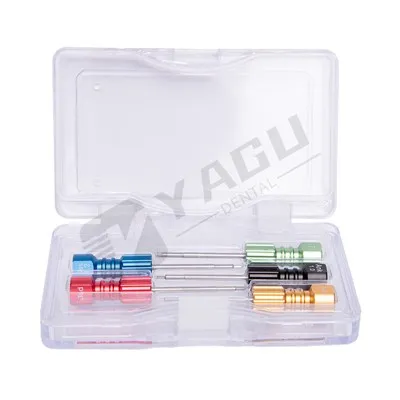
First off, let's understand what a Nobel Temporary Abutment is. For those of you who might not know, it's a crucial part in the dental implant process. You can check out more details about it here: Nobel Temporary Abutment. It's used as a temporary connection between the dental implant in the jawbone and the eventual dental restoration, like a crown or a bridge. It helps in the healing process and also allows for proper tissue shaping around the implant.
Now, when it comes to patients with a weak immune system, things get a bit more complicated. A weak immune system can mean different things for different people. It could be due to a chronic illness like diabetes, HIV/AIDS, or it could be a result of certain medications, such as chemotherapy drugs or immunosuppressants used after an organ transplant.
The main concern with using a Nobel Temporary Abutment in these patients is the risk of infection. A healthy immune system is like a body's army, constantly on the lookout for invaders like bacteria and viruses. When the immune system is weak, it can't fight off these invaders as effectively. So, if bacteria manage to get into the area around the implant, there's a higher chance of an infection developing.


But that doesn't necessarily mean that a Nobel Temporary Abutment can't be used. It all comes down to a careful assessment of the patient's overall health and the specific situation. Dental professionals need to take a close look at the patient's medical history, current medications, and any underlying health conditions. They'll also need to consider the patient's oral hygiene habits, as good oral hygiene is crucial in preventing infections around dental implants.
Let's talk about some of the steps that can be taken to minimize the risk of infection when using a Nobel Temporary Abutment in patients with a weak immune system. First of all, proper sterilization of the abutment is key. At our supply, we make sure that all our Nobel Temporary Abutments go through a rigorous sterilization process to ensure they're free from any harmful bacteria or other pathogens.
Another important factor is the surgical technique. The dentist or oral surgeon needs to be extra careful during the implant placement and abutment installation. They'll need to use aseptic techniques to prevent any contamination of the surgical site. This might include wearing sterile gloves, using sterile instruments, and covering the patient's face with a sterile drape.
After the abutment is placed, the patient will need to follow a strict oral hygiene routine. This might include brushing their teeth at least twice a day with a soft-bristled toothbrush, using an antibacterial mouthwash, and flossing regularly. The dentist might also prescribe antibiotics or other medications to help prevent infection.
It's also important to monitor the patient closely after the procedure. Regular follow-up appointments will allow the dental team to check for any signs of infection, such as swelling, redness, pain, or discharge around the implant site. If an infection does occur, it can usually be treated with antibiotics, but in some cases, the abutment might need to be removed.
Now, let's compare the Nobel Temporary Abutment with some other types of abutments. There are Castable Abutments and Dentium 14mm Premill Abutment, for example. Each type of abutment has its own advantages and disadvantages, and the choice will depend on the patient's specific needs and the dentist's recommendation.
Castable Abutments, for instance, are often used when a custom fit is required. They can be cast to match the exact shape and size of the patient's implant and the surrounding teeth. On the other hand, the Dentium 14mm Premill Abutment is a pre - milled abutment, which means it's ready to use and can save time during the dental implant procedure.
In the case of patients with a weak immune system, the choice of abutment might also be influenced by factors such as the ease of cleaning. The Nobel Temporary Abutment is designed in a way that makes it relatively easy to clean, which can be an important factor in preventing infections.
So, to answer the question, "Can a Nobel Temporary Abutment be used in patients with a weak immune system?" The answer is yes, but with caution. It's all about weighing the risks and benefits and taking the necessary precautions to ensure the best possible outcome for the patient.
If you're a dental professional and you're considering using our Nobel Temporary Abutments for your patients, whether they have a weak immune system or not, we're here to help. We offer high - quality abutments at competitive prices, and our team is always available to answer any questions you might have. If you're interested in learning more or starting a purchase, feel free to reach out and let's have a chat about your needs.
In conclusion, while using a Nobel Temporary Abutment in patients with a weak immune system presents some challenges, it's definitely possible with proper planning and care. By working closely with the patient and following best practices, we can help ensure a successful dental implant procedure.
References
- "Dental Implantology: Principles and Practice" by various dental experts
- Journal articles on dental implant infections and management in immunocompromised patients