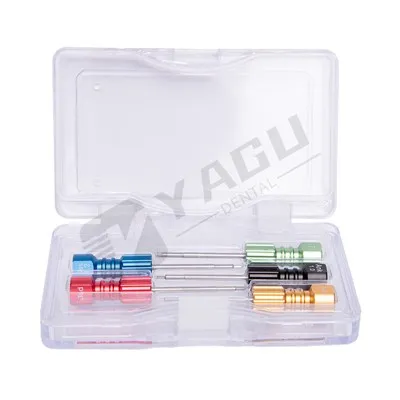
Are there any risks associated with a Castable Implant Abutment?
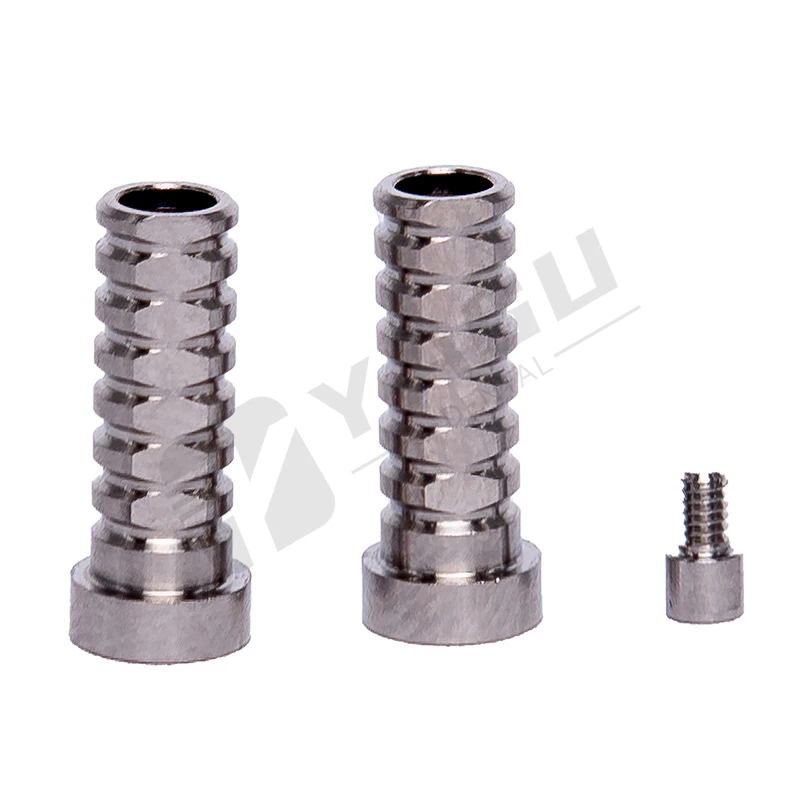
As a supplier of Castable Implant Abutments, I am often asked about the potential risks associated with these dental components. Castable implant abutments play a crucial role in dental implant procedures, providing a connection between the implant fixture and the dental restoration. While they offer numerous benefits, it's essential to understand the possible risks to make informed decisions in dental treatment.

1. Material - related Risks
The materials used in castable implant abutments are typically metals, such as titanium alloys. Although titanium is known for its biocompatibility, there can still be some issues.
Allergic Reactions
A small percentage of patients may have allergic reactions to the metals in the castable implant abutments. Titanium is generally well - tolerated by most patients, but in rare cases, individuals can develop hypersensitivity reactions. These reactions may manifest as inflammation, swelling, or discomfort around the implant site. Symptoms can range from mild irritation to more severe immune responses that may affect the long - term success of the implant. For example, if a patient has a pre - existing metal allergy and the dental team fails to conduct proper allergy testing, the use of a castable implant abutment made of a particular metal could lead to an allergic reaction.
Corrosion
Over time, the castable implant abutment may be exposed to the oral environment, which is a complex mixture of saliva, food, and bacteria. This environment can potentially cause corrosion of the abutment material. Corrosion can weaken the structure of the abutment, leading to mechanical failure. For instance, if the corrosion occurs at the connection point between the abutment and the implant fixture, it can affect the stability of the entire dental restoration. This can result in loosening of the restoration, which may require additional dental procedures to correct.
2. Mechanical Risks
Fracture
Castable implant abutments are subject to mechanical stress during normal chewing and biting. If the abutment is not designed or fabricated correctly, it may be prone to fracture. The design of the abutment, including its shape, size, and thickness, can influence its strength. For example, a thin or poorly contoured abutment may not be able to withstand the forces exerted during chewing, leading to a fracture. In some cases, a fracture can occur suddenly, causing the dental restoration to become loose or even fall out. This not only affects the patient's ability to chew properly but also requires immediate dental intervention to replace the fractured abutment.
Loosening
The connection between the castable implant abutment and the implant fixture is critical for the stability of the dental restoration. However, due to factors such as improper tightening during the placement of the abutment or continuous mechanical stress, the abutment may become loose over time. Loosening can lead to micro - movements between the abutment and the fixture, which can cause bone loss around the implant. Bone loss is a serious complication as it can compromise the long - term stability of the implant and may ultimately lead to implant failure.
3. Biological Risks
Peri - implantitis
Peri - implantitis is an inflammatory condition that affects the tissues surrounding the dental implant. Castable implant abutments can contribute to the development of peri - implantitis if proper oral hygiene is not maintained. Bacteria can accumulate around the abutment, forming biofilms. These biofilms can trigger an immune response in the body, leading to inflammation of the peri - implant tissues. If left untreated, peri - implantitis can cause progressive bone loss around the implant, eventually resulting in implant failure. For example, if a patient does not clean the area around the castable implant abutment effectively, the bacteria can multiply and cause this inflammatory condition.
Soft Tissue Irritation
The design of the castable implant abutment can also affect the soft tissues in the mouth. A poorly designed abutment may rub against the gums or other soft tissues, causing irritation. This irritation can lead to pain, swelling, and redness of the soft tissues. In severe cases, it can disrupt the normal healing process and increase the risk of infection. For instance, if the abutment has sharp edges or an irregular surface, it can cause trauma to the soft tissues, which may require adjustments to the abutment or additional treatment to relieve the irritation.
4. Compatibility Risks
Incompatibility with Implant Fixtures
Not all castable implant abutments are compatible with every type of implant fixture. It is crucial to ensure that the abutment is specifically designed to fit the implant system being used. Incompatibility can lead to improper seating of the abutment on the fixture, which can affect the stability and function of the dental restoration. For example, if a dental professional uses a castable implant abutment that is not designed for a particular implant brand, it may not form a proper connection, leading to loosening or instability.
Incompatibility with Dental Restorations
The castable implant abutment must also be compatible with the dental restoration, such as a crown or a bridge. If the abutment is not the correct shape or size, it may not be possible to fabricate a well - fitting restoration. This can result in an esthetically unpleasing appearance and may also affect the function of the restoration. For example, if the abutment is too large or too small for the planned crown, the crown may not fit properly, leading to problems with chewing and speech.
Mitigating the Risks
Despite these potential risks, there are several ways to mitigate them. First, proper patient selection and evaluation are essential. This includes conducting thorough allergy testing to rule out any metal allergies. Additionally, using high - quality materials and ensuring proper fabrication and design of the castable implant abutment can reduce the risk of mechanical and material - related problems.
Proper placement of the abutment by a skilled dental professional is also crucial. The dentist should ensure that the abutment is tightened to the correct torque to prevent loosening. Post - operative care, including patient education on oral hygiene, is vital to prevent biological risks such as peri - implantitis and soft tissue irritation.
As a supplier, we offer a range of high - quality castable implant abutments that are designed to minimize these risks. We also provide detailed information and support to dental professionals to ensure the proper use of our products. Our products are compatible with popular implant systems such as Osstem Temporary Abutment, Hiossen Tibase, and Osstem Healing Cap.
If you are a dental professional interested in learning more about our castable implant abutments or have any questions regarding the risks and how to mitigate them, we encourage you to contact us for further discussion and potential procurement. We are committed to providing the best products and support to ensure the success of your dental implant procedures.
References
- Armitage, G. C. (1999). Development of a classification system for periodontal diseases and conditions. Annals of periodontology, 4(1), 1 - 6.
- Buser, D., Martin, W., & Belser, U. C. (2004). Optimizing esthetics for implant restorations with short clinical crowns: anatomic and surgical considerations. The International Journal of Oral & Maxillofacial Implants, 19, 59 - 67.
- Misch, C. E. (2008). Contemporary implant dentistry. St. Louis, MO: Mosby.